
Vegetables
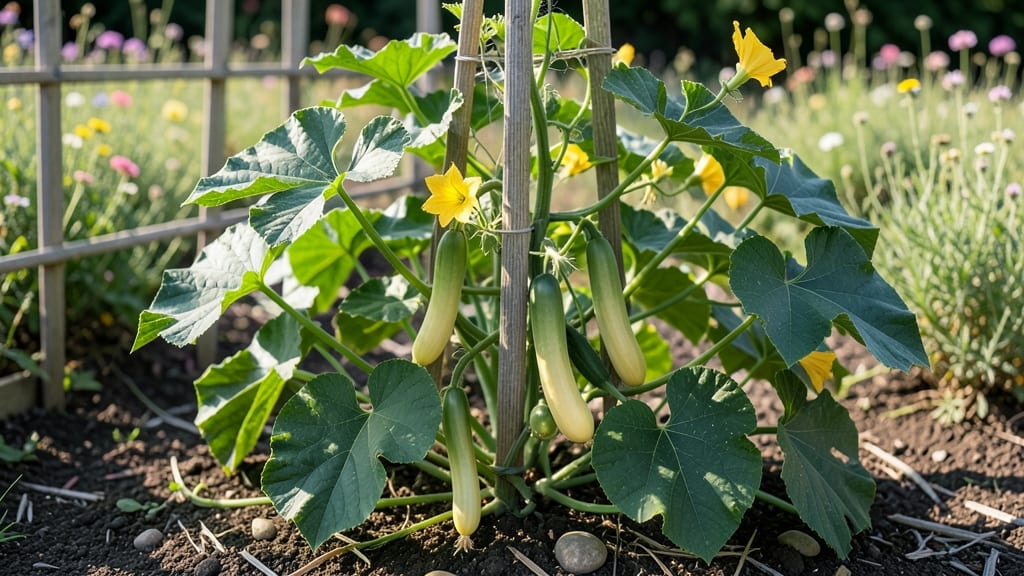
Lemon cucumber growth stages transform from tiny seeds to zesty harvests in just 45 days—if you know what to watch for at each stage. 🌱 I’ve grown them for years, and the key is recognizing those subtle shifts: the first fuzzy leaves, the delicate yellow blooms, and finally, the bumpy green fruits ready to pick.
Miss a stage, and you might end up with bitter cucumbers or no harvest at all.
The journey starts with germination, where you’ll see those first heart-shaped leaves within 5–7 days. Then comes the vining phase, when tendrils stretch toward the sky—this is when you’ll need trellises or cages to keep them growing upward.
Each stage demands slightly different care: more water during flowering, gentle pruning to encourage fruit production, and shade cloth if temperatures climb above 90°F.
By week 6, you’ll spot the tiny, bumpy fruits forming—this is your cue to check for yellow blossoms (a sign of pollination) and start tasting tests. The real magic happens when they reach 4–6 inches long, their skin still tender and flavor bursting with lemony tang.
One wrong move—like overwatering or letting them overripe—and you’ll lose that signature taste.
Here’s the secret: Harvest early, harvest often. Lemon cucumbers won’t ripen further once picked, so snip them when firm for the best flavor. With the right timing and care, you’ll go from seed to salad in less than two months—no greenhouses or fancy equipment needed.
Ready to grow your own zesty harvest?
📚 In This Guide
- What you need
- Instructions
- Tips and common mistakes
- Wrapping up and next steps
What you need
- ● Seeds: 10–20 lemon cucumber seeds (heirloom or hybrid varieties like 'Lemon' or 'Sweet Success').
- ● Containers or Garden Space: Containers: 5-gallon pots (1–2 per plant) with drainage holes.
- ● Garden Beds: Well-draining soil in a sunny spot (6+ hours of sunlight daily).
- ● Potting Mix: 10–15 lbs of high-quality, well-draining potting soil (or garden soil amended with compost).
- ● Fertilizer: Balanced fertilizer (10-10-10) or organic options like compost tea or worm castings.
- ● Slow-release fertilizer (e.g., Osmocote) for long-term nourishment.
- ● Watering Supplies: Watering can, drip irrigation, or hose with a gentle spray nozzle.
- ○ Trellis or Cage: 4–6 ft tall trellis, stakes, or tomato cages for vertical growth (optional but recommended).
- ● Hand Trowel: For transplanting seedlings.
- ○ Pruning Shears: To trim excess vines (optional).
- ○ Mulch: Straw or shredded leaves to retain moisture (optional but helpful).
- ○ pH Test Kit: To ensure soil pH is between 6.0–6.8 (optional but recommended).
Lemon cucumber growth stages: Step-by-Step development timeline
Watch these distinctive growth phases unfold—each brings its own care needs and rewards.
🌱 Step 1: Germination and Seedling (Days 1-10)
After sowing seeds ½ inch deep in warm soil (70-80°F), germination begins within 5-10 days. You'll see tiny white roots break through first, followed by a curved radicle pushing upward. Keep soil consistently moist but never soggy—dampness triggers rot before sprouts appear.
Once the first true leaves (not the initial seed leaves) emerge, seedlings are ready for their first true light exposure. These leaves will be round and slightly fuzzy, signaling the plant has shifted from stored seed energy to photosynthesis. This is when you can gently transplant seedlings if starting indoors, but lemon cucumbers thrive when direct-sown after frost.
🌿 Step 2: Vegetative Growth (Days 11-25)
Between 2-3 weeks, you'll notice rapid vine development as the plant focuses on leaf production. Strong stems with 3-5 leaves indicate healthy growth—watch for deep green color and sturdy stems rather than pale, leggy vines. This phase requires 6-8 hours of sunlight daily and consistent moisture at the soil base.
Here's where pruning comes into play: Pinch off the first few flowers that appear. Lemon cucumbers need 4-6 weeks of vigorous leaf growth before producing quality fruit. Removing early blooms redirects energy to root and vine development, preventing weak, bitter fruit later. You'll know you're doing it right when new leaves emerge faster than flowers.
☀️ Step 3: Flowering and Fruit Set (Days 26-35)
Around 4 weeks, male flowers appear first on long stems, followed by female flowers with tiny cucumbers at their base. Pollination happens naturally with bees, but if your garden lacks them, gently transfer pollen with a small brush. Warm days (75-85°F) and consistent watering encourage fruit development—drought stress causes blossom drop.
This is the most delicate stage: Overwatering or uneven moisture causes blossom end rot, while too much nitrogen produces leafy vines but no fruit. Look for 1-inch cucumbers forming at the base of female flowers—these will grow into your harvestable fruit within 10-14 days if conditions remain ideal.
🍉 Step 4: Fruit Maturation and Harvest (Days 36-45)
Lemon cucumbers reach harvest size (4-6 inches long) when their skin turns a pale yellow-green and the seeds inside feel soft but not mushy. Harvest daily to encourage continuous production—unpicked fruit saps energy from new blooms. Use pruning shears to cut stems cleanly, leaving ½ inch of stem attached to prevent disease entry points.
Watch for color changes: The best flavor comes when cucumbers are 70-80% yellow with some green remaining. Overripe fruit turns fully yellow and develops a waxy texture. In hot climates, vines may produce 2-3 harvests per season before declining—save seeds from your best fruit for next year's planting.
Tips & tricks for growing lemon cucumbers from seed to harvest
Growing lemon cucumbers successfully comes down to understanding their unique growth phases—and these small details make all the difference.
Soil Temperature Matters: Those 70-80°F soil temperatures in Step 1 are non-negotiable for germination. I've learned this the hard way—seeds planted in cooler soil (below 70°F) take twice as long to sprout or may never break through. Use a soil thermometer to confirm temps before sowing, especially in spring or fall. If your soil is too cool, consider using a heat mat or planting in black plastic mulch to warm it up faster.
Pruning Strategy: The pruning advice in Step 2 is where many gardeners go wrong. Don't just pinch off the first flowers you see—target specifically the first 3-5 flowers that appear after the plant develops 5-6 true leaves. This gives the vine enough energy to establish strong roots before fruiting. I've seen plants with weak stems produce bitter fruit because they were pushed into flowering too early.
Pollination Backup: While bees handle most pollination, I always keep a small paintbrush handy during Step 3. Transfer pollen from male flowers (long stems) to female flowers (with tiny cucumbers at their base) in the morning when humidity is low. This is especially important in greenhouses or areas with limited bee activity. The 10-14 day window for fruit development after pollination is critical—don't let missed pollination waste your efforts.
Harvest Timing: The 4-6 inch size guideline in Step 4 is perfect, but pay attention to the 70-80% yellow color cue too. I harvest mine when they're about 5 inches long and showing that pale yellow-green hue—this gives me the best balance of sweetness and crunch. Use pruning shears to avoid damaging the vine, and always leave that ½ inch stem attached to prevent disease entry.
Pro Tips for Lemon Cucumber Growth Stages
- Growing lemon cucumbers successfully comes down to understanding their unique growth phases—and these small details make all the difference.
- Soil Temperature Matters: Those 70-80°F soil temperatures in Step 1 are non-negotiable for germination.
- Pruning Strategy: The pruning advice in Step 2 is where many gardeners go wrong.
Frequently asked questions
Got questions about growing lemon cucumbers? You’re not alone! Here are some of the most common queries—plus quick, actionable answers to keep your plants thriving.
How long does it take for lemon cucumber seeds to germinate?
Lemon cucumber seeds typically sprout within 5–10 days after planting, provided they’re kept in warm (70–90°F), moist soil. Use a heat mat if your climate is cool—patience is key! If nothing emerges after 2 weeks, try replanting fresh seeds.
Can I grow lemon cucumbers in containers? What size pot do I need?
Lemon cucumbers thrive in containers as long as the pot is at least 12–18 inches deep and wide. Add trellis support early—they’ll vine aggressively. Use well-draining soil and fertilize weekly with a balanced liquid feed for best results.
What pests or diseases should I watch for, and how do I prevent them?
Common threats include aphids, cucumber beetles, and powdery mildew. Prevent pests with neem oil sprays or row covers. For mildew, ensure airflow and avoid overhead watering. Remove infected leaves immediately to stop spread.
Why are my lemon cucumbers bitter? How can I fix it?
Bitterness often stems from overripe fruit, heat stress, or drought. Harvest cucumbers when small (6–8 inches) and keep plants well-watered. If grown in hot climates, use shade cloth during peak sun hours to reduce bitterness.
Can I save seeds from lemon cucumbers for next year?
Yes! Let a few cucumbers fully ripen (yellow and soft) on the vine, then scoop out seeds with the jelly-like pulp. Rinse, dry on paper towels, and store in a cool, dark place. Viability lasts 2–3 years, but hybrid varieties may not produce true-to-type plants.
Wrapping up and next steps
Growing lemon cucumbers is a rewarding journey that transforms a tiny seed into a vibrant, zesty harvest in just 45 days! By understanding their growth stages—from germination to fruiting—you’ll unlock the secrets to a bountiful garden.
With the right soil, sunlight, and care, you’re well on your way to enjoying crisp, tangy cucumbers fresh from your plants. 🌱
Ready to take the next step? Start planting your seeds today and watch your garden flourish! For extra tips, explore companion planting or troubleshooting common issues—your perfect harvest is just around the corner. 🌿