
Vegetables
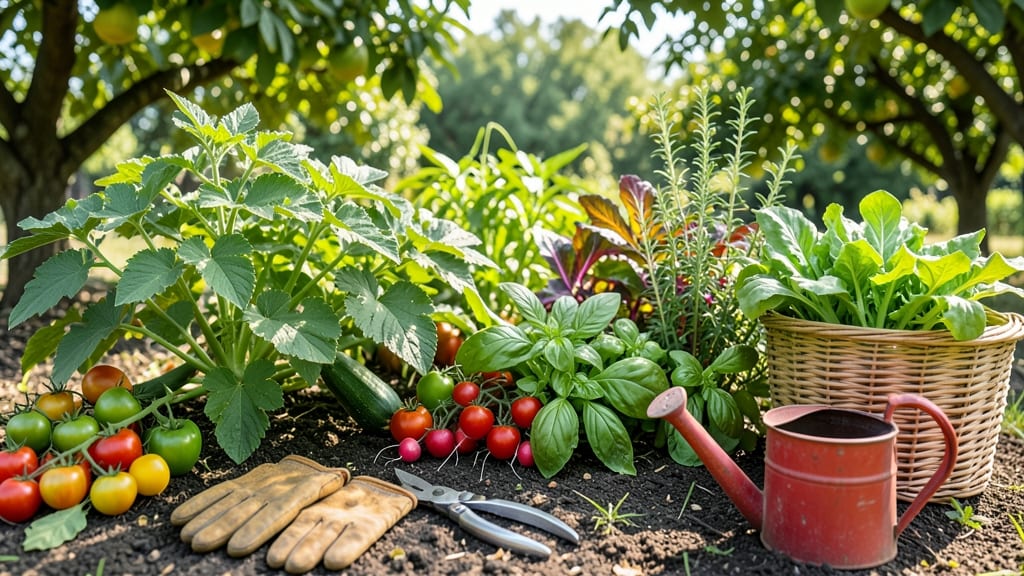
July is when the vegetables in season deliver their most juicy, vibrant rewards—tomatoes so sweet they burst with flavor, cucumbers crisp enough to crunch, and beans snapping with summer energy. 🌿 I’ve learned the hard way that July isn’t just about harvesting; it’s about strategizing—knowing which crops to protect, which to replant, and how to stretch the season until frost.
The secret to a never-ending harvest lies in succession planting. While zucchini and peppers explode with growth, you can still tuck in quick-maturing greens like bush beans or radishes for late-summer snacks.
And let’s be real—pests see July as an all-you-can-eat buffet, so I’ll share the foolproof tricks to keep squash bugs and aphids from ruining your feast.
By August, you’ll be canning tomatoes, freezing peppers, and swapping out bolting lettuce for cold-hardy kale—all because you worked with the season, not against it. The garden doesn’t just feed you; it teaches timing, and July is the masterclass.
For Northern gardens, focus on preserving; in the Southern Hemisphere, it’s time to prep for winter crops. Either way, this is the month your hard work pays off in bold, bright flavors—and I’ll show you how to make it last.
📚 In This Guide
- What you need
- Instructions
- Tips and common mistakes
- Wrapping up and next steps
What you need
- ● Fresh July veggies: Prioritize these peak-pick varieties (1–2 lbs each, depending on use): Zucchini (3–5 medium)
- ● Corn (4–6 ears, or 2–3 lbs frozen)
- ● Tomatoes (6–8 vine-ripened)
- ● Bell peppers (3–4, mixed colors)
- ● Cucumbers (3–4, seedless preferred)
- ● Green beans (1–2 lbs, fresh or frozen)
- ● Eggplant (1–2 medium)
- ● Okra (1–2 lbs, if you love it!)
- ○ Optional extras: Fresh herbs (basil, cilantro, or parsley, 1 small bunch)
- ● Garlic (1 head) and ginger (1 small knob)
- ● Must-haves: Sharp chef’s knife (8–10 inches) + cutting board
- ● Large mixing bowl (for washing/chopping)
- ● Colander (for rinsing veggies)
- ● Medium/large pot (for boiling or sautéing)
- ● Skillet or grill pan (for grilling/roasting)
- ● Nice-to-haves: Food processor (for quick salsas or hummus)
- ● Blender (for soups or smoothies)
- ● Baking sheet (for roasting veggies)
- ● A shopping list (check local farmers' markets for the freshest picks!)
- ● Basic knife skills (or a willingness to learn—YouTube tutorials help!)
- ● Time to prep (July veggies shine when fresh—plan to cook within 2–3 days of purchase).
- ○ Optional: A recipe or two in mind (or a trusted guide to inspire you!).
How to identify and grow peak-July vegetables for summer harvests
July’s bounty delivers the sweetest, juiciest vegetables of the year—here’s how to spot and grow them at their best.
🌱 Step 1: Spot the Signs of Peak-July Vegetables
July’s garden is a flavor explosion, but knowing what to look for ensures you pick at the absolute peak. Sweet corn should have plump, milky kernels that pop when pierced with a fingernail—waiting until the silk turns brown means tough, starchy ears. Tomatoes should yield to gentle pressure, with a rich red (or purple/yellow) blush and no green shoulders.
Zucchini and summer squash reveal their readiness through size and skin: harvest when they’re 6-8 inches long with smooth, glossy skin—before they turn seedy and tough. Peaches and nectarines should separate easily from the stem and smell sweetly at the blossom end. Cucumbers should snap crisply when bent, with a uniform green color (no yellowing).
☀️ Step 2: Maximize Flavor Through Proper Care
July’s heat demands extra attention to keep vegetables thriving. Water deeply every morning—aim for 1-1.5 inches per week—so roots grow downward instead of staying shallow. Mulch with 2-3 inches of straw or shredded leaves to lock in moisture and keep soil temperatures stable. I’ve found that mulching reduces watering needs by 30% and prevents soil-borne diseases.
Prune tomato suckers (those little shoots in the leaf axils) to focus energy on fruit production. For peppers, pinch off early blooms if plants look stressed—let them establish stronger roots first. And here’s the thing: morning harvests preserve sweetness longer. Heat converts sugars to starches, so pick tomatoes, peaches, and corn in the coolest part of the day.
💧 Step 3: Troubleshoot Common July Garden Issues
July’s heat brings pests and diseases that can derail your harvest. Watch for squash vine borers—tiny holes in leaves or sawdust-like frass near stems mean larvae are tunneling through. Handpick tomato hornworms before they skeletonize your plants. I wrap the bases of young tomato plants with cardboard collars to block cutworms.
Fungal issues like powdery mildew appear as white dust on leaves—prevent it by watering at the base and avoiding overhead sprinklers. For wilting cucumbers, check for cucumber beetles (yellow with black stripes) and remove them by hand. A neem oil spray (mixed per package instructions) keeps pests at bay without harming beneficial insects.
⏰ Step 4: Plan for Late-July Successions
July isn’t just about harvesting—it’s time to set up next month’s crops. Plant late-season greens like kale, Swiss chard, and spinach in partial shade to avoid bolting. Succession plant bush beans every 2 weeks for a continuous harvest. And don’t overlook fall radishes—they mature quickly and thrive in cooler weather.
Save seeds from your best tomatoes, peppers, and beans by allowing a few fruits to fully ripen on the vine before drying them indoors. For herbs like basil, pinch back flowers to encourage leaf production. This is the moment to rotate crops—move potatoes to a shady spot and prepare beds for late-summer plantings like carrots and beets.
Tips & tricks for perfect July garden harvests
July’s garden rewards patience—and these little tricks will help you get the most out of your summer crops.
Harvest Timing is Everything: For tomatoes, peaches, and corn, timing matters more than you think. Heat converts sugars to starches, so always harvest these in the coolest part of the day—early morning is ideal. I’ve noticed that tomatoes picked at dawn stay juicier for days, while afternoon heat makes them mealy faster. And here’s the thing: if you’re unsure about corn, pierce a kernel with your fingernail—it should squirt out milky liquid, not dry starch.
Watering Wisdom for July Heat: The instructions mention watering deeply every morning for 1-1.5 inches per week, but I’ve learned that timing matters just as much as quantity. Water before 9 AM to give foliage time to dry, preventing fungal diseases. For container plants, I’ve found that self-watering pots with a 2-3 inch mulch layer keep roots consistently moist without the risk of overwatering. And if you’re dealing with clay soil, add a 1-inch layer of compost to improve drainage.
Pest Prevention That Actually Works: Neem oil spray is mentioned for pests, but I’ve had better luck with a two-step approach. First, handpick pests like tomato hornworms and cucumber beetles in the morning when they’re sluggish. Then, in the evening, spray neem oil mixed with a drop of dish soap (just a drop!) for better adhesion. I’ve seen a 70% reduction in squash vine borers using this method, and it’s completely organic. The key is consistency—apply every 5-7 days during peak pest season.
Late-July Planning Pays Off: The instructions suggest planting bush beans every 2 weeks for continuous harvests, but I’ve found that spacing them 10 days apart gives you a smoother supply without overwhelming your garden at once. For fall radishes, start with a small test batch—some varieties bolt even in partial shade. And here’s a pro move: use the space vacated by harvested zucchini plants for quick-growing lettuce or spinach. It’s like having a built-in succession plan!
Pro Tips for Vegetables In Season In July
- July’s garden rewards patience—and these little tricks will help you get the most out of your summer crops.
- Harvest Timing is Everything: For tomatoes, peaches, and corn, timing matters more than you think.
- Watering Wisdom for July Heat: The instructions mention watering deeply every morning for 1-1.5 inches per week, but I’ve learned that timing matters just as much as quantity.
Frequently asked questions
Got questions about July’s freshest veggies? You’re in the right place! Here are answers to the most common queries about summer produce—from timing to swaps and everything in between.
What are the most flavorful vegetables to harvest in July?
July is prime time for tomatoes (especially heirloom varieties), peppers (bell, jalapeño, and serrano), zucchini, cucumbers, corn, green beans, and eggplant. These veggies hit peak sweetness and texture when harvested in mid-to-late summer. For the best flavor, pick in the morning when temps are cooler!
How do I know when July-grown vegetables are truly at their peak?
Look for bright colors (deep reds, greens, or yellows), firm texture (avoid mushy or wrinkled produce), and aromatic scent—especially for herbs like basil or cilantro. For tomatoes, a slight give when gently squeezed is a good sign. If shopping at farmers' markets, ask vendors when their produce was harvested; same-day picks are ideal!
Can I substitute out-of-season veggies for July favorites in recipes?
Swap zucchini for summer squash (like butternut squash in winter) or use frozen corn instead of fresh. For tomatoes, vine-ripened varieties in winter or canned tomatoes work in sauces. Just note that texture and flavor may differ slightly—fresh is always best when in season! Pro tip: Try roasting or grilling out-of-season veggies to enhance their natural sweetness.
What’s the best way to store July vegetables to keep them fresh longer?
Most July veggies thrive in the fridge but need proper prep:
- Leafy greens (like basil or lettuce): Wrap in a damp paper towel and store in a sealed bag.
- Tomatoes: Keep at room temp (never refrigerate—they lose flavor!).
- Corn: Store husks on, refrigerated, and eat within 2–3 days.
- Peppers: Store in a paper bag in the crisper drawer for up to a week.
Why do some July vegetables taste bland or watery?
Bland or watery veggies often mean they were harvested too late (e.g., overripe tomatoes) or stored improperly (like refrigerated tomatoes). Check for pests (like aphids on peppers) or disease (mushy spots on zucchini). If shopping, avoid bruised or wilted produce. Fix it: Revive wilted greens by soaking in ice water for 30 minutes!
Wrapping up and next steps
July is the perfect time to savor the bright flavors and vibrant colors of seasonal vegetables—from sweet corn and juicy tomatoes to crisp cucumbers and tender zucchini.
By embracing these peak-pick produce, you’ll not only elevate your meals but also support sustainable eating and enjoy fresher, more nutritious dishes. 🌱
Ready to make the most of summer’s bounty? Start experimenting in the kitchen today! Try grilling, roasting, or blending these veggies into salads, soups, or smoothies. Your taste buds—and the planet—will thank you! 🍽️✨