
Vegetables
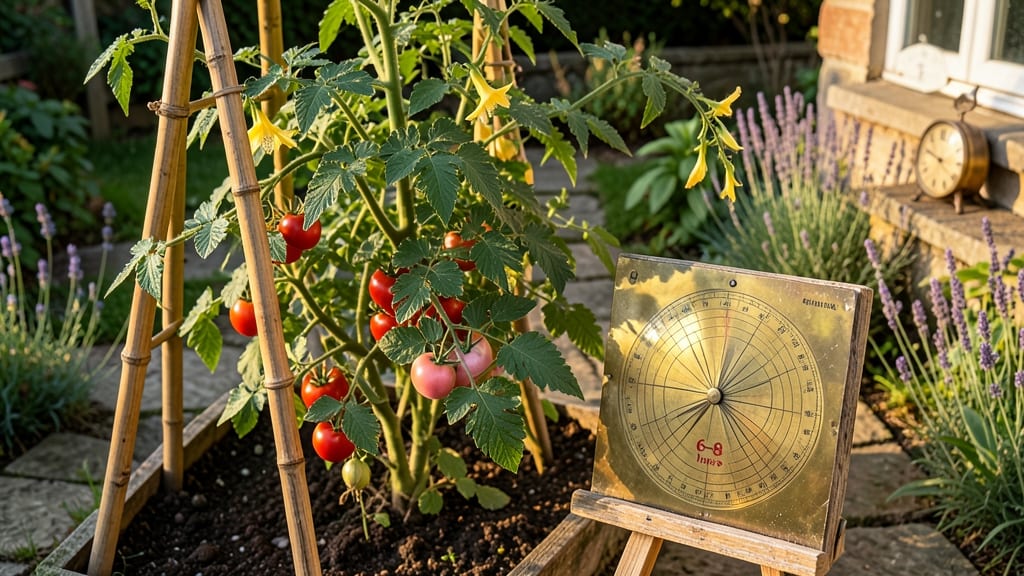
Tomatoes thrive with 6 to 8+ hours of sun daily 🍅—but how much they really need depends on the variety, season, and even your garden’s layout.
If your tomato plants aren’t producing the juicy harvest you expected, the culprit might be sunlight—or rather, not enough of it. Tomatoes are sun-hungry plants, but their exact light needs vary dramatically by variety, and getting it wrong can mean the difference between a bumper crop and wilted disappointment.
Determinate tomatoes, like ‘Roma,’ handle 6 hours in cooler months, while indeterminate varieties such as ‘Sungold’ demand 8+ hours all season. Even a few hours short can lead to weak stems, small fruit, or—worst of all—blossom end rot.
In this guide, I’ll break down the exact sun requirements for your favorite tomatoes, how to spot light deficiencies, and 5 proven tricks to maximize sunlight in any garden—whether you’re growing in pots or full beds.


How many hours of sun do tomatoes need? Exact requirements by variety
Tomatoes thrive under full sun, but not all varieties demand the same amount of light. Most standard tomatoes need 6-8+ hours of direct sunlight daily to produce sweet, flavorful fruit.
However, dwarf varieties and heirloom tomatoes often tolerate partial shade better than their sun-loving cousins. Understanding these differences ensures your plants grow strong and productive, not leggy or fruitless.
For example, 'Sungold' cherry tomatoes—a popular indeterminate variety—require 8+ hours of sun to ripen fully, while 'Brandywine' heirlooms can handle 6-7 hours in cooler climates.
Even small adjustments in sunlight exposure can drastically impact your harvest. Let’s break down the exact needs by variety so you can position your plants for success.
If you’re growing indeterminate tomatoes, like most cherry varieties, they’ll reward you with continuous fruiting all season—but only if they bask in 8+ hours of sunlight. These vining plants stretch toward the sun, and insufficient light leads to weak stems and small, underripe fruit.
In contrast, determinate tomatoes, like 'Roma' or 'Celebrity', produce fruit in one flush and are more forgiving with 6-8 hours of sun.
For dwarf varieties, such as 'Tiny Tim' or 'Patio Princess', you can push their limits to 5-6 hours of partial shade, especially in hot climates where afternoon shade protects them from sunscald.
However, even these hardy little plants will struggle to ripen fruit if they get less than 4-5 hours of direct sun. Heirloom tomatoes like 'Brandywine' fall somewhere in between, thriving with 6-8 hours but tolerating 5-6 hours in cooler regions.
Partial shade can actually benefit tomatoes in hot, dry climates by preventing leaf scorch or blossom drop. However, the trade-off is often smaller fruit or slower ripening.
If your garden only offers 4-5 hours of sun, consider reflective mulches or white-washed containers to bounce extra light onto your plants. Alternatively, prioritize dwarf or determinate varieties that handle shade better.
Seasonal adjustments matter too. In spring and fall, when sunlight is less intense, tomatoes can tolerate slightly less light—sometimes as low as 5-6 hours—without major setbacks. But during summer solstice, even 6 hours of sun might feel like partial shade to a hungry tomato plant.
Monitor your plants’ progress: if leaves yellow or stems stretch excessively, they’re begging for more light.
When in doubt, observe your tomatoes’ behavior. Healthy leaves that are dark green and upright indicate sufficient sunlight, while pale, leggy growth or few blossoms signal a need for more sun. For container growers, rotate pots weekly to ensure even light exposure on all sides.
And if you’re in an urban setting with limited space, opt for cherry tomatoes or bush varieties—they’re forgiving and produce well even in 6-7 hours of light.
Pro tip: Use a sunlight tracker or app to log how
Signs your tomatoes aren’t getting enough sun (and how to fix it)
Your tomato plants might be silently screaming for more sunlight—even if they don’t look like it yet. Pale, leggy stems and small, underdeveloped fruit are classic red flags. Without enough light, tomatoes prioritize leaf growth over fruit production, leaving you with lush foliage but few tomatoes.
Even worse, blossom end rot often appears when plants struggle to process sunlight into energy.
Another dead giveaway? Yellowing leaves that start at the bottom and work upward. This isn’t just old age—it’s a cry for help. Tomatoes need 6-8+ hours of direct sunlight daily, but many gardeners accidentally shade them with nearby plants, fences, or even their own hands when pruning.
If your tomatoes are cherry varieties like 'Sungold', they’re especially sensitive to light deprivation.
⚠️ Tomatoes Need 6-8 Hours of Sun—or Risk These Problems
- ❌ Weak stems (prone to snapping in wind)
- ❌ Small, misshapen fruit (often green or pale)
- ❌ Yellowing leaves (chlorosis from poor photosynthesis)
- ❌ Blossom end rot (calcium deficiency from stress)
- ❌ Fewer flowers (energy diverted to leaves instead)
Tomatoes cannot photosynthesize enough in partial shade. Even 4-6 hours of sun may lead to stunted growth. Urban gardeners or container growers need to rotate pots daily for even light exposure.
If your tomatoes are growing in containers, the issue might be positioning. A north-facing balcony or shady patio can trick you into thinking your plants are getting enough light when they’re not. Move containers to the sunniest spot in your space—even if it means sacrificing a few decorative plants.
For determinate varieties like 'Roma', which grow in compact bushes, ensure the entire plant gets sunlight, not just the top.
For in-ground tomatoes, companion planting can help. Tall plants like corn or sunflowers might seem helpful, but they can block critical morning light. Instead, pair tomatoes with low-growing herbs like basil or marigolds, which won’t steal their sunlight.
If your garden layout is fixed, try reflective mulch—light-colored gravel or aluminum foil around the base can bounce extra light onto the plant’s lower leaves.
Don’t forget to check your pruning habits. Overly aggressive pruning removes leaves that capture sunlight. Leave enough foliage to create a canopy, especially for indeterminate varieties like 'Beefsteak', which rely on a full leaf cover to produce fruit.
If you’ve already pruned too much, pause for a few weeks to let the plant recover before resuming.
For urban gardeners or those with limited space, vertical growing is a game-changer. Use a tomato cage or trellis to lift plants higher, where they’ll get more consistent sunlight. Even a DIY wooden trellis can work—just ensure it’s sturdy enough to support 6+ foot plants once they mature.
Rotate containers quarter-turns weekly to prevent uneven growth from partial shade.
If all else fails, supplement with grow lights. A LED grow light for 4-6 hours in the evening can make up for morning shade. Place it 12-18 inches above the plant and adjust as it grows.
For heirloom varieties like 'Brandywine', which need extra care, this extra light can mean the difference between a few tomatoes and a bountiful harvest.