
Vegetables
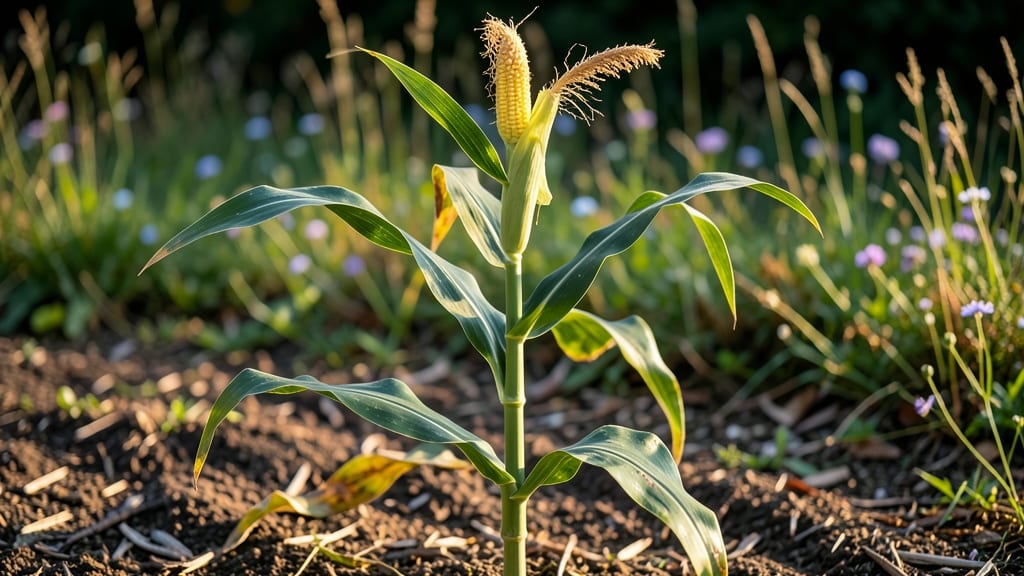
Growing the tallest corn stalk is all about the right genetics, soil, and care—think 12-foot giants that dwarf even the tallest gardeners.
Picture this: your cornfield isn’t just a summer staple, but a towering display that turns heads and fills your freezer with ears so large you need a ladder to harvest them.
The secret? It’s not just luck—it’s a mix of high-yielding varieties, deep soil prep, and a few pro tips to keep those stalks standing tall.
You might think corn height is just about water and sun, but the real game-changer is how you feed those roots and support the stalk as it stretches.
From nitrogen-rich fertilizers to strategic pruning, we’ll cover every step to push your corn beyond the average 8-foot mark and into record-breaking territory.
Ready to grow corn that reaches for the sky? Here’s how to turn your garden into a cornfield of giants—no green thumb required, just the right techniques.
Genetic and hybrid secrets behind record-breaking corn stalks
Growing corn that reaches 12 feet or taller isn’t just luck—it’s science. The genetic makeup of your corn variety determines up to 70% of stalk height potential.
Hybrid varieties like 'Mammoth Melting' and 'Country Gentleman' are bred specifically for extreme height, combining traits like thick stalks and large leaf canopies to maximize photosynthesis.
Beyond hybrid vigor, growth hormones play a crucial role. Corn naturally produces gibberellins, which elongate cells in the stalk. Some modern hybrids are even engineered to overproduce these hormones during critical growth phases. This explains why open-pollinated heirlooms rarely match the height of commercial hybrids.
But genetics alone won’t guarantee giants. The leaf-to-stalk ratio matters too—plants with broader leaves capture more sunlight, fueling faster vertical growth. Varieties like 'Illini Chief' excel here, producing 18-inch-wide leaves that act like solar panels for your cornfield.
| Variety | Max Height | Key Traits | Best For |
|---|---|---|---|
| Mammoth Melting | 12+ ft | Thick stalks, early maturity | Bragging rights, early harvests |
| Country Gentleman | 10-12 ft | Disease resistance, broad leaves | Organic gardens, tall trellises |
| Illini Chief | 11-13 ft | Giant leaves, high yield | Sunny climates, maximum height |
| Lodening Sweet | 9-11 ft | Sweet kernels, sturdy stalks | Fresh eating, small gardens |
When selecting seeds, look for hybrid designations like F1 hybrids—these combine two parent plants to create heterosis (hybrid vigor). For example, 'Mammoth Melting' is an F1 hybrid that consistently hits 12 feet with proper care. Avoid open-pollinated varieties unless you’re targeting flavor over height.
Another genetic secret lies in root depth. Varieties with deep taproots like 'Country Gentleman' access nutrients 4+ feet down, giving them a competitive edge. Pair this with loose, fertile soil, and your corn will have the foundation to grow skyward.
Don’t overlook ear placement—some hybrids develop ears higher on the stalk, which requires stronger internodes (the segments between leaves). 'Illini Chief' is famous for this, with ears forming 6-8 feet above ground, pushing the plant to 13 feet in ideal conditions.
For maximum height, cross-pollinate your tallest varieties. While corn is wind-pollinated, planting multiple rows of different hybrids increases the chance of genetic mixing that could produce even taller offspring. Just be prepared for ear variability—some may be sweeter, others taller.
One common mistake is ignoring stalk thickness. Thin stalks lodge easily (fall over) under their own weight. Prioritize varieties with 2-inch-diameter stalks at maturity, like 'Lodening Sweet', which balances height with structural integrity.
To push your corn to record-breaking heights, combine the right genetics with optimal growing conditions. The perfect storm of sunlight, nutrients, and water will unlock the full height potential hidden in those tiny seeds.
Soil, water, and sun: the perfect growing conditions for giant corn
Growing corn that reaches 12 feet tall requires more than just good genetics—it demands ideal growing conditions that fuel rapid vertical growth. The right combination of soil composition, water consistency, and sunlight exposure transforms ordinary corn into towering giants.
Let’s break down the science behind these conditions so your stalks can reach their full potential.
Corn thrives in loamy, well-draining soil with a pH between 6.0 and 7.0. This range ensures nutrients like nitrogen, phosphorus, and potassium are readily available for root uptake. If your soil is too acidic or alkaline, the plants may struggle to absorb essential minerals, leading to stunted growth.
Testing your soil before planting is a game-changer for maximizing height.
⚠️ callout-warning ⚠️
🚨 Warning: Nutrient Imbalance Stunts Growth
Too much nitrogen without enough phosphorus or potassium can cause lush foliage but weak stalks. Yellowing leaves signal nitrogen deficiency, while purple stems indicate phosphorus shortages. Always use a balanced 10-10-10 fertilizer and monitor plant health weekly.
For maximum height, corn needs 6 to 8 hours of direct sunlight daily. Position your plants in the sunniest spot in your garden, ideally facing south. Shade from trees or buildings can reduce photosynthesis, slowing vertical growth.
If you’re growing in containers, place them where they receive unobstructed sunlight for at least half the day.
Watering is another critical factor. Corn requires 1 to 2 inches of water per week, especially during tasseling and ear development. Deep watering in the morning prevents fungal diseases like corn smut and ensures roots absorb moisture efficiently.
Avoid overhead watering at night, as damp foliage encourages mold growth.
To troubleshoot nutrient deficiencies, observe your plants closely. Pale green leaves mean nitrogen deficiency, while weak stems suggest potassium is lacking. Amend your soil with compost or organic matter to improve nutrient retention. Side-dress with a low-dose fertilizer every 4-6 weeks during the growing season for consistent growth.
By mastering these three key conditions—soil, water, and sun—you’ll create the perfect environment for your corn to stretch toward the sky. With patience and precision, you could soon be harvesting ears from stalks that outshine the rest of your garden! 🌽