
Vegetables
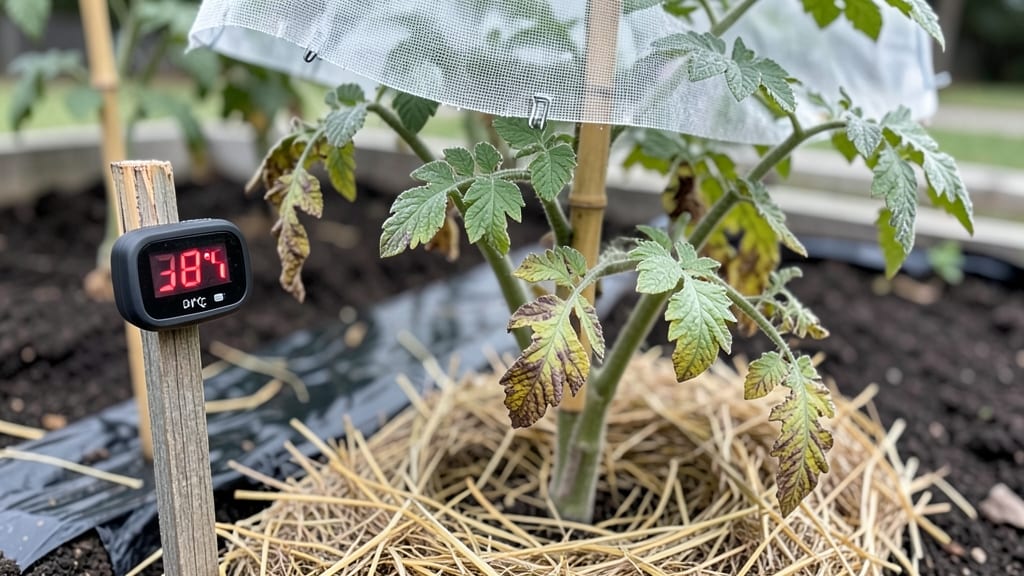
Tomatoes tolerate surprisingly low temperatures—but only if you know their exact cold limits and hardiness zones. Did you know some varieties survive 28°F overnight, while others bolt at 50°F?
The difference between a thriving winter crop and a lost season often comes down to variety choice, soil prep, and protection strategies.
In Zone 6a and colder, where frost lingers until April 15, gardeners often assume tomatoes are a summer-only crop. But with the right techniques—like row covers, mulching, or even greenhouse setups—you can push harvests into fall and sometimes even winter.
The key is understanding which varieties handle cold best and how to shield them from sudden dips.
This guide breaks down the exact temperature thresholds for tomatoes, from seedling stage to mature plants, and shares 5 proven methods to extend your growing season.
Whether you're in a borderline zone or just want to squeeze extra weeks out of your 🍅 plants, these tips will help you avoid frost damage and keep producing.
You’ll learn which cold-hardy varieties thrive in Zone 5 and below, how to insulate soil for 5°F colder protection, and when to pull the trigger on emergency frost covers. No more guessing—just science-backed strategies to grow tomatoes year-round, even in chilly climates.
Tomato cold tolerance limits: how low can temperatures go?
Tomatoes are famously heat-loving plants, but many varieties can handle surprisingly chilly temperatures—if you know their exact cold tolerance limits. Most gardeners assume 32°F (0°C) is the absolute cutoff, but some cold-hardy varieties survive 28°F (-2°C) or even lower with protection.
The key lies in understanding nighttime vs. daytime temperature impacts and recognizing early signs of frost damage.
Daytime temperatures above 50°F (10°C) help tomatoes recover from cold nights, while prolonged exposure below 40°F (4°C) stunts growth and weakens plants. Even cold-hardy varieties struggle when nighttime temps drop below their thresholds for more than a few hours.
Blackened leaves, stunted growth, and blossom end rot are classic warning signs that your tomatoes are pushing their limits.
Here’s the critical breakdown of tomato cold tolerance thresholds—because knowing these numbers means the difference between a thriving harvest and total crop loss.
🔍 Did You Know? Some heirloom tomatoes, like Cherokee Purple and Siberian varieties, can survive brief dips to 28°F (-2°C) with proper protection, while mainstream hybrids like Celebrity or Better Boy max out at 32°F (0°C). The difference often comes down to root insulation and foliar protection.
Nighttime temperatures matter more than daytime highs when it comes to tomato cold tolerance. For example, a 50°F (10°C) night after a 32°F (0°C) morning can leave plants struggling, while a 60°F (15°C) day helps them recover.
This is why gardeners in USDA Zones 5-7 often use row covers or cloches to trap daytime heat and extend the growing season.
Recognizing early frost damage is crucial. Look for blackened leaf edges, a sudden halt in new growth, or blossoms dropping off the plant. These are your first warnings that temperatures are too low.
If you see stunted stems or yellowing leaves, your tomatoes are already stressed and may not recover, even with warmer days.
Protecting your plants starts with mulching (straw or leaves) to insulate roots and using thermal blankets on nights below 32°F (0°C). For varieties like Siberian or Stupice, which tolerate 28°F (-2°C), these methods can mean the difference between a failed crop and a late-season harvest.
Even mainstream hybrids benefit from these protections when nighttime temps flirt with their limits.
If your area frequently dips below 32°F (0°C), consider greenhouse growing or container gardening with movable pots. This gives you control over microclimates and can push your tomatoes’ cold tolerance thresholds even further.
For example, a low tunnel can add 5-10°F (3-6°C) of protection, turning a marginal climate into a viable one.
Remember: Tomatoes are annuals, so their cold tolerance is about survival—not thriving. Pushing them too far risks root damage or fungal infections from wet, cold soil.
When in doubt, err on the side of caution: protect your plants before they show signs of stress, and you’ll maximize your harvest even in cooler climates.
USDA hardiness Zones where tomatoes thrive in winter (with survival tips)
Growing tomatoes in winter is possible—but only with the right USDA hardiness zone knowledge and cold-hardy varieties. While most gardeners associate tomatoes with warm summers, select varieties can tolerate freezing temperatures down to 20°F with proper protection.
The key lies in understanding which zones support winter tomato growth and how to shield plants from frost.
In USDA Zones 8-11, tomatoes thrive year-round with minimal protection, while gardeners in Zones 5-7 need strategic planning to extend the season. Even in colder climates, cold-resistant varieties like Cherokee Purple and Siberian can produce fruit if given the right care.
Let’s break down the best zones and survival strategies for winter tomatoes.
🌱 Low Temp Survival Guide for Tomatoes
- 🌡️ Zone 11: Tomatoes grow year-round with no frost risk (avg. 40°F winters). Use shade cloth in peak summer heat.
- 🌡️ Zone 10: 30°F tolerance with row covers. Harvest before 25°F or use greenhouse protection.
- 🌡️ Zone 9: 28°F limit. Mulch heavily with straw or leaves to insulate roots. Prune to reduce frost damage.
- 🌡️ Zone 8: 25°F threshold. Plant cold-hardy varieties like Siberian and use cloches for overnight protection.
- 🌡️ Zone 7: 20°F survival with thermal blankets. Choose determinate varieties (e.g., Stupice) for faster harvests.
- 🌡️ Zone 6: 15°F tolerance in greenhouses. Start seeds indoors in February for early planting.
- 🌡️ Zone 5: 10°F limit with heated beds. Grow cherry tomatoes in containers for portability during cold snaps.
For gardeners in Zones 5-6, the secret to winter tomatoes lies in greenhouse cultivation or container gardening. A simple hoop house with plastic sheeting can raise temperatures by 10-15°F, making it possible to grow tomatoes even in sub-zero conditions.
Pair this with drip irrigation to prevent soil freezing and keep roots active.
In Zones 7-9, mulching is your best friend. Apply a 4-6 inch layer of straw or wood chips around the base of plants to insulate roots.
For extra protection, use floating row covers during unexpected cold snaps. Siberian tomatoes are a top choice here—they can withstand 28°F without damage and produce hearty fruits even in cooler weather.
Don’t overlook soil preparation! Amend your garden beds with compost and aged manure before planting to improve drainage and warmth retention. In Zones 10-11, focus on shade management—tomatoes here need protection from intense summer heat, which can stress plants just as much as cold.
Use 30% shade cloth during peak afternoon sun.
With the right zone-specific strategies, you can enjoy homegrown tomatoes well into winter—or even year-round in warmer climates. Start with cold-resistant varieties, invest in protective gear, and monitor weather forecasts to stay ahead of frost. Your winter harvest is closer than you think! 🌱