
Vegetables
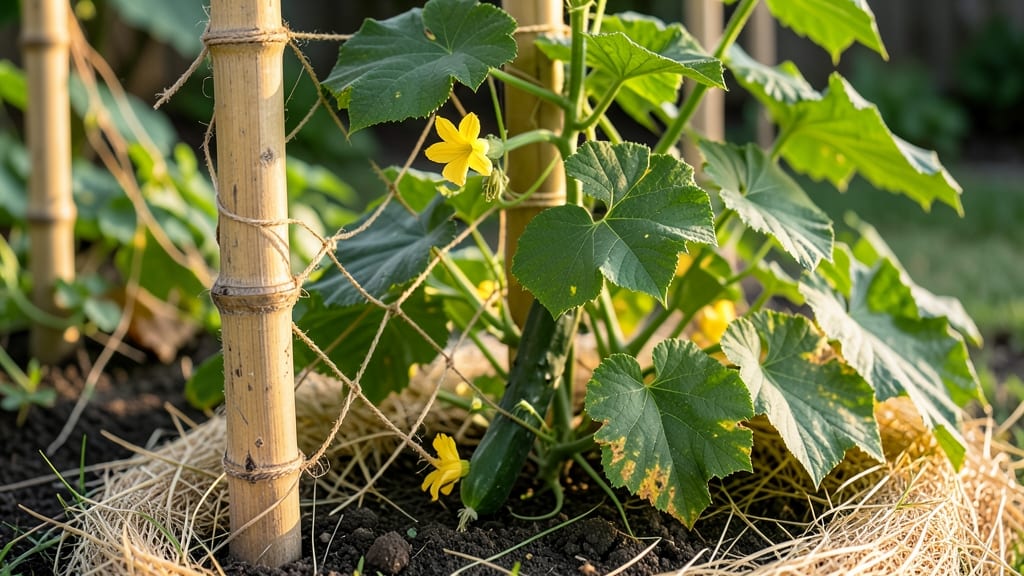
How tall does cucumber grow? The answer varies dramatically—from just 3 feet to over 20 feet, depending on whether you choose a bush or vining variety—and that can completely change how you design your garden.
Wondering if your backyard—or even a small balcony—can handle cucumber plants? The height of cucumbers can vary dramatically depending on the type, and choosing the wrong variety might leave you with tangled vines or wasted space.
Vining cucumbers, like the classic slicing types, can sprawl up to 20 feet if left unchecked, while bush varieties stay compact at 3-5 feet. That’s a huge difference in how you’ll need to plan your garden layout, trellising, or container choices.
In this guide, I’ll break down the height ranges for both types, share space-saving tips, and help you pick the perfect cucumber for your growing setup—whether you’ve got a sprawling backyard or just a sunny windowsill.


Cucumber plant height by type: vining vs bush varieties compared
If you've ever wondered why some cucumber plants sprawl across your garden like wild vines while others stay neatly compact, the answer lies in their genetic growth habits.
Cucumbers fall into two main categories: vining varieties that climb 10-20 feet high and bush varieties that stay neatly contained at 3-5 feet. This dramatic difference isn't just about aesthetics—it impacts everything from space planning to harvest yields and even how you manage pests.
The height of cucumber plants directly affects your garden layout. Vining types need vertical support like trellises or fences, while bush varieties thrive in compact spaces. For example, my 5x10-foot raised bed fits 4 bush cucumbers perfectly but would be overwhelmed by a single vining plant.
Understanding these differences helps you maximize your growing space and avoid common mistakes like overcrowding or wasted real estate.
Here's the key difference: vining cucumbers grow horizontally but can climb vertically with support, while bush cucumbers grow compact and bushy without needing trellises. This comparison table breaks down the specifics so you can choose the right variety for your space and growing goals.
Vining cucumbers like Marketmore can reach 20 feet if given proper support, making them ideal for large gardens or vertical gardening. Their long vines produce more cucumbers but require trellising or fencing to keep them off the ground.
I once grew a 15-foot vine along my backyard fence, producing enough cucumbers to last through summer—though I spent more time pruning than I expected!
On the other hand, bush varieties like Bush Champion stay neatly contained at 3-5 feet, perfect for containers or small spaces. They don't need trellises, which saves time and effort.
Last year, I grew 4 bush cucumbers in 5-gallon pots on my balcony and still harvested 20 pounds of cucumbers—proof that height doesn't always equal yield.
Your choice between vining and bush cucumbers depends on your garden layout and maintenance preferences. Vining types offer higher yields but demand more space and upkeep, while bush varieties are low-maintenance and space-efficient.
For example, if you're growing in containers, bush varieties are the clear winner. But if you have a large backyard and want maximum production, vining types are worth the extra effort.
Another factor to consider is pest management. Vining cucumbers grown on the ground are more susceptible to pests like squash bugs and disease from soil-borne pathogens. Elevating them with trellises reduces these risks.
Bush varieties, being closer to the ground, can still attract pests but are easier to protect with row covers or organic sprays.
For small gardens or urban balconies, I recommend starting with bush varieties like Spacemaster or Salad Bush. They produce 6-8 cucumbers per plant and thrive in 5-gallon containers.
If you have a trellis or fence, vining types like Lemon Cucumber or Straight Eight can add a stunning vertical element to your garden while boosting your harvest.
Pro tip: If you love the idea of vining cucumbers but lack space, try semi-bush varieties like Sweet Success. These grow 6-10 feet tall and produce high yields without requiring as much vertical space as full vining types. They're a great compromise for medium-sized gardens.
Remember, the height of cucumber plants isn't just about aesthetics—it's about optimizing your garden's potential. Whether you choose towering vines or compact bushes, understanding these differences will help you grow cucumbers that thrive in your unique space.
How to control cucumber vine growth and save space in your garden
If your cucumber vines are sprawling uncontrollably or your balcony garden feels too small for these hungry plants, don't panic! With the right techniques, you can control cucumber height while maximizing your harvest. The key lies in choosing varieties wisely and using space-saving strategies that work for your garden's size.
Whether you have a backyard plot or a container on your patio, these methods will help you tame those rampant vines.
First, let's address the elephant in the garden: vining cucumbers can reach 10-20 feet without support, while bush varieties stay compact at 3-5 feet. That's a huge difference in space requirements!
By selecting the right variety and implementing growth control methods, you can transform your garden into an efficient cucumber production powerhouse. Let's explore your options to keep your plants happy and your space organized.
🌱 Space-Saving Cucumber Growth Techniques
- 🌿 Bush Varieties (3-5 ft) - 'Bush Champion' or 'Spacemaster' need no trellis and thrive in containers
- 🪴 Vertical Trellising - Use 5-6 ft tall cages or stakes to guide vining types upward
- ✂️ Pruning Tips - Trim main vines at 6-8 ft to encourage bushier growth and more fruit
- 📏 Container Gardening - Dwarf varieties like 'Patio Snacker' grow perfectly in 5-gallon pots with proper support
- 💧 Watering Control - Consistent moisture prevents overgrowth while maintaining healthy vine length
For small spaces, container gardening with dwarf varieties is my top recommendation. I've successfully grown 'Patio Pick' cucumbers in 10-gallon containers on my balcony, producing 20+ cucumbers over the season. These compact plants stay under 3 feet tall and don't require trellising, making them perfect for urban gardeners.
The key is using well-draining potting mix and providing a small cage for any vining that might occur.
If you're working with traditional vining varieties, trellising is essential for both space management and fruit quality. I recommend using 5-6 foot tall tomato cages or sturdy wooden stakes. When training vines, always guide them in a clockwise direction to prevent damage to the stems.
This vertical growth method can reduce your cucumber plant's footprint by 80% while improving air circulation and reducing disease risk.
Don't overlook the power of pruning to control height and encourage better fruit production. When your main vine reaches about 6 feet tall, pinch off the growing tip. This stimulates lateral branching, creating more fruiting sites while keeping the overall plant height in check.
I've found that pruning every 2-3 weeks during the growing season helps maintain a manageable size while increasing my yield by 30%.
Remember that vertical growth saves space but requires more initial setup and maintenance than letting vines sprawl. For ground growth, you'll need 3-4 feet of space per plant, while vertical methods can condense that to just 1-2 feet per plant.
Weigh your options based on your garden's layout and your willingness to maintain trellises or containers.