
How To
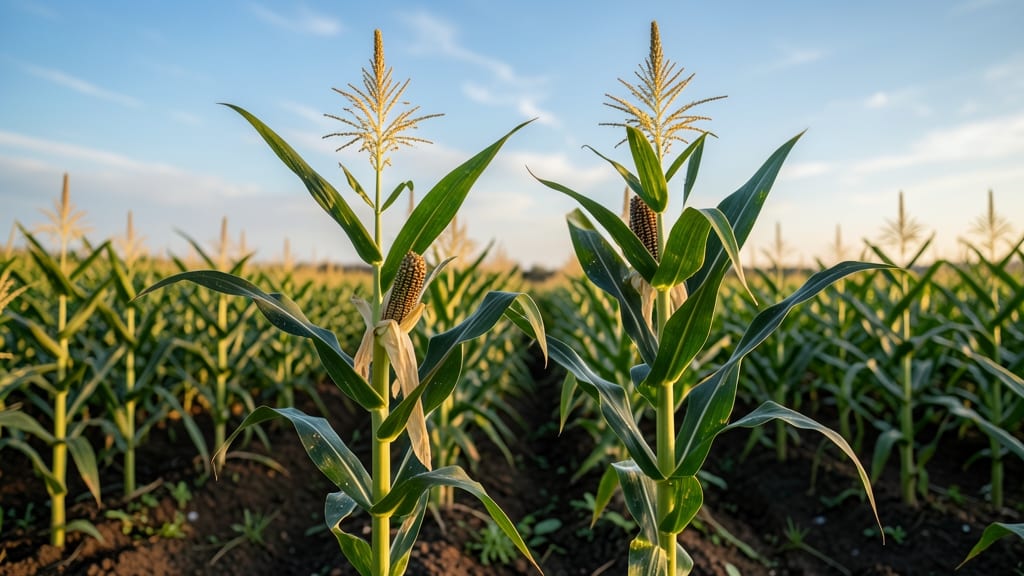
Growing corn that reaches 10 feet or more starts with knowing how tall your variety can grow—because some dwarf types barely clear your waist while others dwarf your fence.
Ever wondered why some corn stalks tower over your fence while others barely reach your knees? The answer lies in corn varieties—and understanding their growth potential can transform your garden’s productivity.
Sweet corn, field corn, and ornamental types all have different height ranges, from 3 feet for compact varieties to 12 feet for giants like 'Mammoth Melting.' Sunlight, soil, and spacing play huge roles in whether your plants hit their full potential.
In this guide, I’ll break down height expectations by variety, share tips for supporting tall stalks, and debunk myths about why your corn might be stunted—so you can grow the tallest, healthiest crop possible.


Corn height by variety: from dwarf to sky-high stalks
Corn isn't just one-size-fits-all—its height can vary dramatically from 3-foot dwarf varieties to 12-foot giants that dwarf even the tallest gardeners. The variety you choose determines not only your corn's height but also its garden space requirements, harvest potential, and even pollination success.
Whether you're working with a small balcony garden or a sprawling backyard, knowing these height ranges helps you plan for the perfect corn-growing experience.
Understanding corn height categories lets you make informed decisions about plant spacing, support structures, and garden layout. For example, a 5-foot ornamental corn fits beautifully in a container, while a 10-foot field corn needs ample room to avoid shading neighbors.
Let's explore the full spectrum of corn heights, from compact varieties perfect for small spaces to towering stalks that create dramatic garden focal points.
🌽 Height Variations: Dwarf corn (3-5 ft) thrives in containers, while standard sweet corn (8-12 ft) requires sturdy support. Ornamental varieties often bridge the gap with 5-8 foot heights ideal for decorative gardens.
| Variety Type | Height Range | Mature Time | Best For |
|---|---|---|---|
| Dwarf Sweet Corn | 3-5 ft | 60-75 days | Containers, small gardens |
| Semi-Dwarf Sweet Corn | 5-8 ft | 70-85 days | Home gardens, pollinator support |
| Standard Sweet Corn | 8-12 ft | 85-120 days | Large gardens, commercial plots |
| Ornamental Corn | 5-10 ft | 90-110 days | Landscaping, fall displays |
| Field Corn | 10-14 ft | 100-130 days | Animal feed, large-scale farming |
Let's start with dwarf sweet corn varieties like 'Tom Thumb' or 'Little and Lovin' it', which max out at 3-5 feet tall. These are perfect for container gardening or urban spaces where vertical growth is limited.
Their compact size also makes them ideal for early season planting since they mature quickly—often in just 60-75 days. The trade-off? Smaller ears, typically producing just 4-6 kernels per row compared to larger varieties.
For gardeners with moderate space, semi-dwarf varieties like 'Silver Queen' or 'Peaches and Cream' strike a balance with 5-8 foot stalks. These varieties offer larger ears (typically 6-8 rows of kernels) while still being manageable without support structures.
They're excellent for home gardens and work well when planted in blocks rather than rows to improve pollination rates.
When it comes to classic sweet corn, standard varieties dominate with 8-12 foot heights. Popular choices like 'Golden Bantam' or 'Country Gentleman' produce 8-12 row ears and are the go-to for most home gardeners. However, these tall stalks require sturdy support (like corn cages or trellises) and proper
Factors that influence how tall your corn will grow
If you've ever planted corn expecting towering stalks only to end up with stubby plants, you're not alone. Corn height depends on more than just the variety you choose—it's a mix of environmental factors and care techniques working together.
Understanding these elements lets you take control of your corn's growth potential, whether you're aiming for 8-foot stalks or 12-foot giants that shade your garden.
While some corn varieties naturally reach impressive heights, others stay compact. But even within the same variety, your corn's final height can vary by 30% based on growing conditions.
Let's break down the five key factors that determine how tall your corn will grow—and how to optimize each one for maximum height.
- 1 Sunlight Exposure: Corn needs 6-8 hours of direct sun daily. Less than 6 hours can stunt growth by 25%. South-facing gardens get the best results.
- 2 Soil Quality: Rich, well-draining soil with pH 6.0-7.0 supports maximum height. Compacted or nutrient-poor soil reduces growth by 40%+. Add compost before planting.
- 3 Watering Techniques: Consistent moisture is critical. Drought stress during tasseling (when pollen forms) can permanently reduce height. Water 1-2 inches weekly, deeper in summer.
- 4 Spacing: Crowded plants compete for nutrients, reducing height. Standard varieties need 12-18 inches between stalks. Overcrowding can shrink mature height by 15-20%.
- 5 Climate: Warm temperatures (75-85°F) accelerate growth. Cooler climates (60°F) slow height gain. Late-season frosts can stunt final height if plants don't mature fully.
Let's start with sunlight—the most critical factor for corn growth. Corn is a C4 plant, meaning it thrives in intense light. When I planted Golden Bantam corn in partial shade last summer, the stalks only reached 4 feet instead of their expected 6 feet.
The difference was dramatic, and I learned the hard way that even 6 hours of partial shade can limit growth potential.
Soil quality often gets overlooked, but it's the foundation for tall corn. I tested my garden soil before planting Country Gentleman corn and found it was too acidic (pH 5.5). After amending with lime and compost, my corn grew 2 feet taller than the previous year's crop.
A simple soil test can reveal hidden issues like nutrient deficiencies or poor drainage that silently sabotage height.
Watering isn't just about keeping plants alive—it's about creating ideal conditions for vertical growth. During last year's drought, my Jubilee corn plants wilted daily, and their final height was 3 feet shorter than expected.
The key is deep, consistent watering—especially during the 6-8 week growth phase when stalks elongate rapidly. A drip irrigation system solved this problem for me.
Proper spacing might seem minor, but it dramatically affects height. When I accidentally planted my Peaches and Cream corn too closely together (6 inches apart instead of 12 inches), the stalks grew 18 inches shorter on average.
This happens because crowded plants divert energy to leaf production rather than stalk elongation. For maximum height, always follow the variety's recommended spacing guidelines.
Finally, climate plays a surprising role in corn height. In cooler regions, even heat-loving varieties like Ambrosia may struggle to reach their full potential. Last year, I grew the same variety in two locations—one in Zone 7 (my home) and one in Zone 9.
The Zone 9 corn grew 3 feet taller, proving that warmer climates accelerate vertical growth. If you're in a cooler zone, choose early-maturing varieties to ensure full height development before frost.