
Fertilization
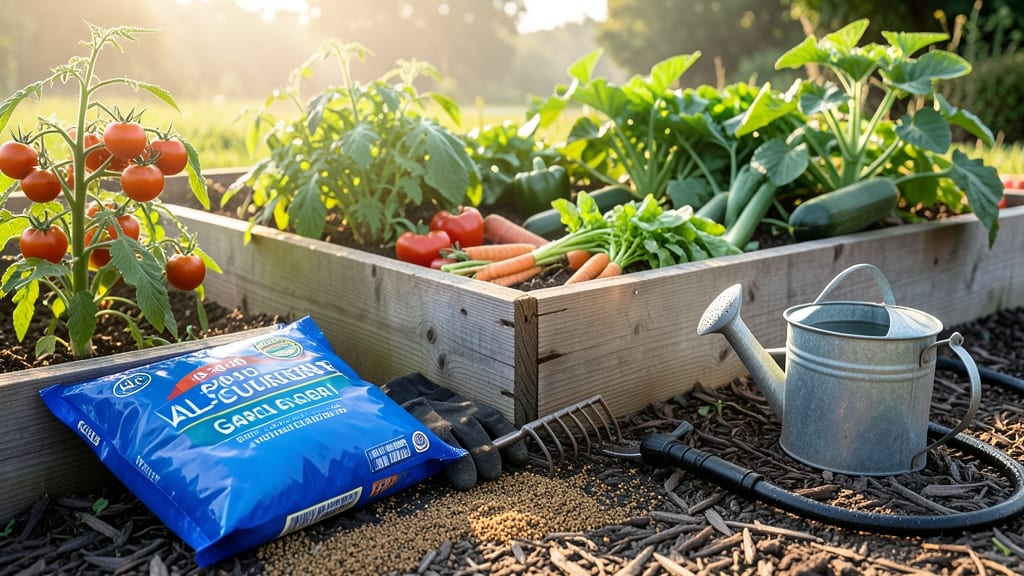
To fertilize vegetables effectively, you’ll need a schedule that matches their growth stages and your local climate—because too little or too much can ruin your harvest before it even starts.
Picture this: you’ve spent weeks tending your 🥕 garden, only to watch your tomatoes split or your lettuce bolt because the soil was either starving or drowning in nutrients. The key isn’t guessing—it’s timing.
Fertilizing at the right moments (like when leaves first appear or when flowers set) makes all the difference between a thriving plot and a disappointing one.
In this guide, I’ll break down the science behind how often to feed your plants—whether you’re growing leafy greens, root crops, or fruiting vegetables—and how to adjust for organic vs. synthetic fertilizers.
You’ll also learn the telltale signs of over- or under-feeding so you can keep your garden productive all season long.
By the end, you’ll have a customizable schedule that works for your soil, your plants, and your busy life—no more wasted fertilizer or missed harvests.

Optimal fertilization frequency by vegetable type and growth stage
Fertilizing your vegetable garden isn't a one-size-fits-all task—each plant type has unique nutritional needs that change as they grow. Leafy greens, root vegetables, fruiting plants, and herbs all respond differently to nitrogen (N), phosphorus (P), and potassium (K).
Understanding these differences ensures your plants get the right nutrients at the right time for maximum yield and flavor.
For example, leafy greens like lettuce and spinach thrive with high nitrogen early on to build lush foliage, while fruiting plants such as tomatoes and peppers need a phosphorus boost when they start flowering. Root vegetables, including carrots and potatoes, benefit from balanced fertilization to prevent forked roots, and herbs like basil and cilantro prefer lighter, more frequent feeding.
Here’s a science-backed breakdown of fertilization frequencies tailored to each vegetable type and growth stage, including the ideal NPK ratios for each phase. Use this as your guide to fine-tune your garden’s nutrition schedule and avoid common over- or under-fertilization pitfalls.
The key to successful fertilization lies in timing—pre-planting, early growth, flowering, and fruiting stages all require different nutrient emphasis. For instance, pre-planting fertilization primes the soil, while flowering stage feeding ensures robust blooms that lead to better yields. Let’s dive into the specifics so you can fertilize with confidence.
Understanding these ratios helps you avoid common mistakes, like over-fertilizing leafy greens with too much nitrogen, which can lead to bitter flavors or leggy growth.
Meanwhile, fruiting plants need that phosphorus push during flowering to ensure abundant blooms and fruit development. Root vegetables are particularly sensitive to high nitrogen, which can cause
Seasonal fertilizer schedule: when to feed for peak harvests
Timing your vegetable fertilization is just as important as what you use. Too early, and you’ll fuel leafy growth at the expense of fruit. Too late, and your plants won’t have the energy to produce those juicy tomatoes or crisp carrots you’re dreaming of.
The key lies in matching your feeding schedule to both the season and your plants’ growth stages, while keeping an eye on soil temperature and moisture levels. Let’s break down the perfect monthly plan to maximize your harvest.
Spring is all about root development and early growth. Once your soil warms to 50°F or above (usually April in most regions), it’s time for your first light feed. This kickstarts growth without overwhelming tender seedlings.
In summer, when your plants are flowering and fruiting, they’ll need more frequent feeding—every 3-4 weeks—to sustain heavy production. Fall is a gentler season; only feed if you’re planting cool-season crops like kale or spinach, and winter? Skip it entirely unless you’re growing overwintering greens.
- April: Light feed when soil reaches 50°F (use balanced fertilizer like 10-10-10).
- May-June: Feed every 3-4 weeks with high-phosphorus (5-10-10) for fruiting plants.
- July-August: Feed every 3 weeks—focus on potassium-rich fertilizers (e.g., 10-10-20) for late-season strength.
- September: Light feed only for fall crops; avoid nitrogen-heavy fertilizers.
- October-December: Skip fertilization unless growing overwintering greens—let plants rest.
Organic vs. synthetic fertilizers? Both work, but the choice depends on your goals. Synthetic fertilizers deliver quick, precise nutrition—ideal for correcting deficiencies fast. Organic options like compost or fish emulsion feed soil slowly, improving long-term health.
For most home gardens, I recommend a mix: use organic fertilizers in spring to build soil, then switch to synthetic during peak fruiting for a nutrient boost. Just watch for signs of over-fertilization, like yellowing leaves or crispy leaf edges, which mean you’ve gone too heavy.
Under-fertilizing is just as damaging. If your plants look pale or stunted, they’re crying out for nutrients. Leafy greens like spinach or lettuce thrive on nitrogen-rich feeds, while fruiting plants (think tomatoes or peppers) need phosphorus to set fruit.
Adjust your schedule based on what’s growing: heavy feeders like corn or squash may need extra attention, while lighter eaters like radishes or green onions can go with less. Always pair feeding with deep watering to help roots absorb nutrients efficiently.
Don’t forget to tailor your approach to your garden type. Container gardens dry out faster, so fertilize more frequently but with half the dose to avoid salt buildup. In-ground plots can handle heavier feeds, but test your soil first—amended soil may not need as much extra nutrition.
And if your garden is new, focus on building soil health with compost before reaching for synthetic fertilizers. Healthy soil feeds your plants naturally, reducing the need for frequent top-ups.
Start with this seasonal schedule, and you’ll see the difference in your harvests. The first time you pull a vibrant tomato or a bountiful zucchini from a well-fed plant, you’ll understand why timing matters. Happy growing! 🌿