
Light Requirements
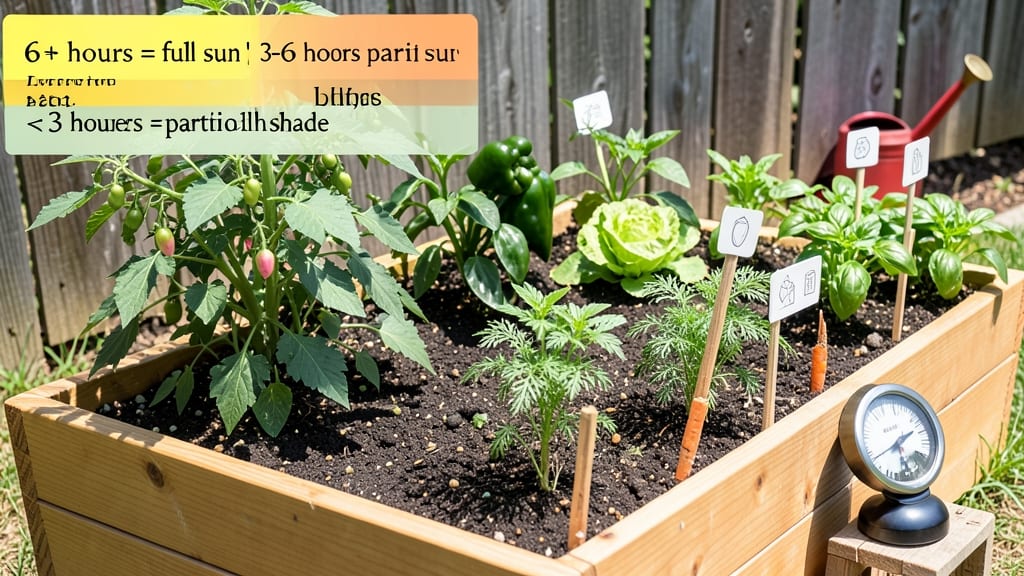
Vegetables need sunlight to thrive, but how much depends on the type—some crave 6+ hours of direct rays, while others bolt or wilt in too much heat.
Wondering why your tomato plants are wilting or your lettuce bolts to seed? Sunlight is the secret ingredient your vegetable garden may be missing—and getting the right amount means the difference between a thriving harvest and wasted effort. Too little, and growth stalls; too much, and delicate leaves crisp.
In this guide, we break down the exact sunlight needs for 15+ common vegetables, from shade-tolerant greens to sun-loving tomatoes, plus how to adjust your garden setup for peak performance.
You’ll learn how to measure sunlight in your space, spot signs of poor lighting, and even pick the best vegetables for low-light spots—so every plant gets its ideal dose.


Sunlight requirements for vegetables: exact hours by plant type (full sun vs partial shade)
Sunlight is the lifeblood of your vegetable garden, and understanding exact sunlight hours for each plant ensures a bountiful harvest. Too little light leads to weak, leggy plants, while too much can scorch delicate varieties.
The key is matching sunlight needs to your garden’s conditions—whether you’re working with a south-facing plot or a shady balcony. Below, I break down the ideal sunlight hours for 15+ common vegetables, including tomatoes, peppers, leafy greens, and root crops, so you can place them perfectly for success.
Most gardeners think of full sun as a one-size-fits-all requirement, but the truth is more nuanced. For example, tomatoes and peppers thrive with 8+ hours of sun daily, while lettuce and spinach prefer 3-6 hours to avoid bolting.
Even root vegetables like carrots need balanced light—too much sun can make them bitter. Let’s dive into the specifics so you can optimize your garden layout for peak growth.
🌱 Pro Tip: Use a sunlight tracker for a week to map your garden’s light patterns. Most areas receive morning sun (cooler) and afternoon sun (hotter), which affects plant placement. For instance, heat-sensitive greens should get morning sun only, while tomatoes benefit from full afternoon exposure.
| Vegetable | Sunlight Needs | Ideal Hours/Day | Growth Impact of Too Little Sun | Best For |
|---|---|---|---|---|
| Tomatoes | Full Sun | 6–8+ hours | Leggy, weak stems; poor fruit set | Containers, trellises, warm climates |
| Peppers (Bell, Jalapeño) | Full Sun | 6–8+ hours | Slow ripening, small fruit | Raised beds, warm soil |
| Cucumbers | Full Sun | 6–8 hours | Powdery mildew, bitter taste | Trellises, cool climates |
| Zucchini/Squash | Full Sun | 6–8 hours | Stunted growth, fewer flowers | Mulched beds, warm soil |
| Lettuce (Leaf) | Partial Shade | 3–6 hours | Bolting (premature flowering) | Shady borders, spring/fall |
| Spinach | Partial Shade | 3–5 hours | Bitter taste, slow growth | Early spring, cool climates |
| Carrots | Partial Sun | 4–6 hours | Bitter flavor, poor yield | Loose soil, cool seasons |
| Radishes | Partial Sun | 3–5 hours | Pithy, tough texture | Fast harvest, cool weather |
| Green Beans | Full Sun | 6–8 hours | Fewer pods, weak vines | Trellises, warm soil |
| Broccoli | Full Sun to Partial Shade | 5–7 hours |
How to measure and adjust sunlight for your vegetable garden’s best growthIf your vegetable plants look stretched or weak, they might be begging for more sunlight—or shielding from too much. Sunlight isn’t just a luxury; it’s the fuel that drives photosynthesis, flavor development, and plant strength. Before you adjust anything, you need to know how much sunlight your garden actually gets and how it matches your plants’ needs. Start by observing your garden for a full day. Note when shadows appear, how long they linger, and which areas get direct sunlight vs. dappled shade. A simple trick is to place a white board or ruler in different spots and mark the sun’s path every hour. This helps you visualize sunlight hotspots and dead zones—critical for placing sun-loving plants like tomatoes or peppers in the right spots.
Once you’ve mapped your garden’s sunlight, it’s time to act. If your tomatoes or peppers are in a shady spot, consider moving them to a south-facing bed or using a reflective mulch to trick them into thinking they’re in full sun. For leafy greens like spinach or kale, partial shade might actually improve flavor and texture during hot summers. Leggy plants or yellowing leaves are classic signs of sunlight stress. If your plants stretch toward the light, they’re phototropism in action—a survival tactic that weakens stems and reduces yield. To fix this, prune nearby obstacles (like overgrown shrubs) or transplant to a sunnier spot immediately. For sunburned leaves, provide afternoon shade with a lightweight shade cloth (30-50% coverage). Don’t forget that sunlight changes with the seasons. What’s full sun in spring might turn into partial shade by summer when trees leaf out. Plan ahead by rotating crops or using seasonal shade solutions like moveable trellises or adjustable shade sails. A little flexibility goes a long way in keeping your garden thriving year-round. |