
Vegetables
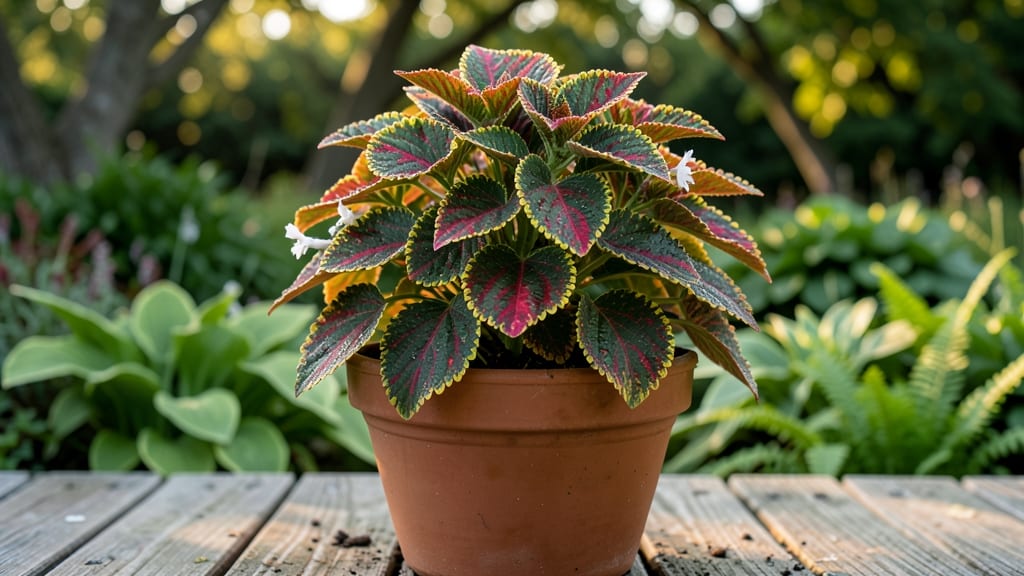
The coleus lowest temperature it can handle is a critical question for gardeners in cooler climates, where those stunning 🌿 leaves can turn to mush overnight.
You’ve spent weeks nurturing your coleus, only to watch it wilt when a cold snap hits. The truth? Most coleus varieties can’t survive below 35°F (2°C), and even a light frost will damage or kill them.
But don’t toss those plants just yet—there are smart ways to protect them and even overwinter them for next season.
Whether you’re in USDA Zone 6 or further north, learning how to shield your coleus from chilly temperatures will save you from losing those vibrant colors. From moving pots indoors to using row covers, I’ll show you how to keep your coleus thriving even when the mercury drops.
Ready to beat the cold? Discover the best strategies for extending your coleus’s season, including which varieties are tougher and how to transition them safely indoors before frost.
Understanding coleus cold tolerance: what’s the lowest temperature coleus can handle?
Coleus (Coleus scutellarioides) is a tropical plant that thrives in warmth, making it highly sensitive to cold temperatures. Most varieties struggle when nighttime temperatures dip below 50°F (10°C), though some cold-hardy hybrids can tolerate brief exposure to 35°F (2°C).
Understanding your coleus’s temperature limits helps you plan for seasonal changes and protect these vibrant plants from frost damage.
In USDA Zones 9-11, coleus can often survive outdoors year-round, but gardeners in colder zones (like Zones 5-8) must treat it as an annual or use overwintering strategies. Even a light frost (32°F/0°C) can cause irreversible damage, turning lush foliage into mushy, discolored leaves.
Knowing your local frost dates and coleus temperature thresholds is essential for long-term success.
Key factors affecting coleus cold tolerance include:
- Variety type (tropical vs. cold-hardy hybrids)
- Duration of cold exposure (brief chill vs. prolonged frost)
- Plant health (well-established plants handle cold better than young seedlings)
- Moisture levels (wet foliage freezes more easily)
| Factor | Coleus Temperature Limit | Notes |
|---|---|---|
| Minimum Safe Temperature | 50°F (10°C) | Most varieties; below this, growth slows significantly |
| Cold-Hardy Hybrid Limit | 35°F (2°C) | Brief exposure only; not frost-proof |
| Frost Threshold | 32°F (0°C) | Irreversible damage occurs; leaves turn black |
| USDA Zone 9-11 | Year-round outdoor growth | Coleus thrives in mild winters with minimal protection |
| USDA Zone 5-8 | Annual or overwintered | Requires container culture or greenhouse for winter survival |
Even in warm climates, seasonal temperature fluctuations can stress coleus. For example, a sudden drop from 80°F (27°C) to 45°F (7°C) at night can shock the plant, causing leaf drop or stunted growth.
This is why many gardeners in Zone 8 and below opt to grow coleus in containers, allowing them to move plants indoors before winter.
Cold exposure also affects coleus foliage color. When temperatures dip below 55°F (13°C), the vibrant hues of purple, pink, and red often fade to dull green. This happens because cold slows chlorophyll production, masking the anthocyanins responsible for those striking colors.
If you’re growing coleus for its showy leaves, maintaining consistent warmth is key to preserving their visual appeal.
For gardeners in Zones 5-7, the best approach is to treat coleus as a short-season annual. Start seeds indoors in early spring, transplant after the last frost (typically May 15 in most regions), and enjoy vibrant growth through summer and early fall.
Once temperatures drop below 50°F (10°C) at night, it’s time to bring potted coleus indoors or harvest cuttings for propagation.
If you’re determined to overwinter coleus in colder zones, cold-hardy hybrids like 'Wizard' or 'Margarita' are your best bet. These varieties can tolerate brief chills down to 35°F (2°C), but they still require protection from prolonged frost.
Use row covers, mulch, or move containers to a sheltered location (like a garage or unheated greenhouse) to extend the growing season.
One common mistake is assuming all coleus varieties have the same cold tolerance. Tropical coleus (the most common type) will bolt or die back with even light frost, while cold-hardy selections may survive a few degrees below freezing.
Always check the specific variety’s care tag or breeders’ notes to avoid disappointment. For example, 'Kong' series coleus is known for better cold resilience than standard 'Black Dragon' types.
To prepare coleus for cooler weather, reduce fertilizer applications in late summer, as cold-stressed plants are more susceptible to nutrient burn. Instead, focus on well-draining soil and consistent moisture—coleus roots become more sensitive to both drought and waterlogging when temperatures drop.
A thick layer of organic mulch (like straw or shredded leaves) also helps insulate soil and protect roots from temperature swings.
In summary, coleus is a warm-weather lover that struggles below 50°F (10°C), with most varieties dying in frost. However, with the right cold-hardy varieties, seasonal adjustments, and protective measures, you can enjoy these stunning plants year-round—even in cooler climates.
Whether you’re in Zone 9 or Zone 5, planning ahead ensures your coleus stays vibrant and healthy through seasonal changes.
Signs of cold damage in coleus and how to protect your plants
Coleus plants are stunning additions to any garden, but their tropical roots make them sensitive to cold temperatures. When temperatures drop below 50°F (10°C), you’ll start seeing signs of stress.
Recognizing these early warnings can save your plants from irreversible damage. I’ve learned the hard way—skipping this step can turn vibrant foliage into a sad, brown mess overnight!
Cold damage often begins with leaf discoloration, where edges turn yellow or brown. This is your coleus’s way of saying, "Hey, it’s getting too chilly!" If left unchecked, the damage spreads inward, causing stunted growth and even blackened stems.
In extreme cases, frost can kill the plant entirely, leaving you with a sad, crispy reminder of winter’s arrival.
⚠️ callout-warning
Most coleus varieties cannot survive below 35°F (2°C). Even brief exposure to freezing temperatures (32°F/0°C) can cause irreversible damage. If you’re in USDA Zones 6-10, plan to protect your coleus before nighttime temps drop below 50°F (10°C). For Zones 5 and colder, treat coleus as an annual or overwinter indoors.
Action Tip: Move potted coleus to a garage or sunroom when nighttime temps hit 45°F (7°C) to extend the growing season.
To protect your coleus from cold damage, start with mulching. A 2-3 inch layer of straw or shredded leaves around the base insulates roots, keeping soil temperatures stable. For potted coleus, wrap containers in bubble wrap or frost blankets to create a thermal barrier.
I’ve even used old towels soaked in water—when frozen, they release heat slowly and act as a buffer.
If you’re in a cooler climate, consider indoor overwintering. Choose healthy plants with no signs of pests or disease, then repot them in well-draining soil. Place them near a south-facing window or under grow lights to mimic their natural light needs.
Reduce watering to every 7-10 days since coleus grows slowly in winter, and avoid fertilizing until spring.
For gardeners in Zone 5 or colder, overwintering coleus indoors is often the best strategy. Select the hardiest varieties, like 'Wizard' or 'Margarita', which tolerate slightly cooler temps.
Prune back leggy growth before bringing them inside to encourage bushier regrowth. With proper care, you can enjoy your coleus for years, not just one season!
Don’t let cold weather steal your coleus’s show-stopping foliage. By acting early—whether through mulching, container insulation, or indoor overwintering—you can extend the growing season and keep your garden vibrant well into fall.
And remember, a little prevention goes a long way when it comes to protecting your plants from the chill. 🌿