
Vegetables
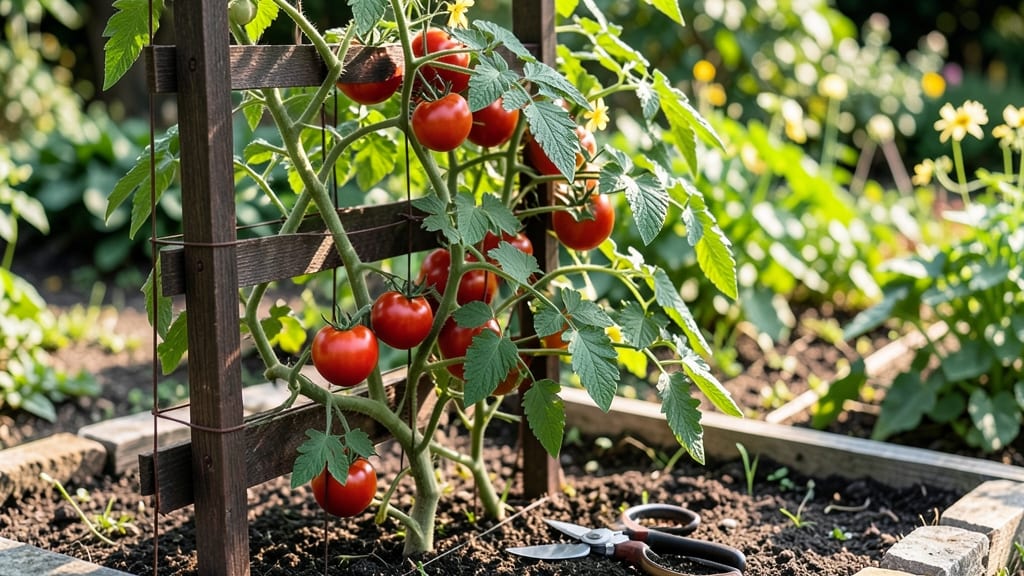
A Brandywine tomato’s height can climb to 6-10 feet if left unchecked, turning your garden into a tangled jungle of vines instead of a productive harvest.
If your Brandywine tomato vines are sprawling uncontrollably—or worse, flopping over before producing those prized heirloom fruits—you’re missing out on the secret to compact, high-yield vines.
This classic heirloom thrives when guided, not restrained, and with the right pruning and support, you can keep it at a manageable 4-6 feet while still enjoying bountiful, flavorful tomatoes all season.
In this guide, I’ll walk you through the best pruning techniques, trellising strategies, and spacing tips to control its height without sacrificing yield—so you can enjoy those heirloom-quality 🍅 tomatoes without the chaos.

How tall do Brandywine tomatoes grow? Understanding natural growth patterns
Brandywine tomatoes are famous for their heirloom quality and sweet, beefsteak-sized fruits, but their natural growth habits often surprise new gardeners. Without intervention, these indeterminate varieties can stretch 6-10 feet tall, sprawling across your garden like unruly vines.
Understanding their growth stages—from seedling to mature vine—helps you plan for support, pruning, and disease prevention.
The genetics of Brandywine tomatoes play a huge role in their height. Most heirloom varieties are indeterminate, meaning they grow continuously until frost. This contrasts with semi-determinate types, which stop growing at a certain height (usually 4-5 feet).
If you’re growing the classic Brandywine Pink or Red, expect uncontrolled vertical growth if left unchecked.
Environmental factors like sunlight exposure, soil fertility, and watering consistency also influence vine height. Full sun (6+ hours daily) encourages taller growth, while rich, well-draining soil supports robust vine development.
In cooler climates, Brandywine tomatoes may grow slightly shorter (around 5 feet), while hot, humid regions can push vines toward 8-10 feet if unpruned.
Here’s a quick breakdown of Brandywine tomato height stages and how to manage them:
| Growth Stage | Height Range | Key Characteristics | Care Tips |
|---|---|---|---|
| Seedling | 6-12 inches | Thin stems, rapid early growth | Use small stakes for support |
| Early Vegetative | 2-4 feet | Thickens quickly, first flowers appear | Prune suckers to control height |
| Mature (Unpruned) | 6-10 feet | Heavy vines, sprawling habit, disease risk | Install trellis early, prune aggressively |
| Mature (Pruned) | 4-6 feet | Compact, high-yield, better air circulation | Remove suckers weekly, stake vines |
| Fruiting Stage | 5-8 feet (varies) | Heavy fruit load can bend stems | Harvest regularly, support with ties |
Leaving Brandywine tomatoes unpruned often leads to disease issues like blight or powdery mildew, thanks to poor air circulation in dense foliage. Uncontrolled vines also flop over, smashing ripe fruit and making harvests difficult.
The key to compact, high-yield vines is early pruning—removing suckers (those little shoots in the leaf axils) and lateral branches to redirect energy into fruit production rather than vertical growth.
If you’re growing Brandywine tomatoes in containers, expect slightly shorter vines (4-5 feet max) due to root restrictions. However, container-grown plants still benefit from pruning to prevent toppling.
For ground planting, give vines 3-4 feet of space between plants to allow airflow, but prune aggressively to keep height under 6 feet for easier maintenance.
Regional climate also affects height. In warmer zones (8-10), Brandywine tomatoes may grow taller and faster, while in cooler zones (5-7), they’ll mature more slowly and stay shorter. Always monitor vine growth and adjust pruning accordingly—late-season pruning can stress plants and reduce yields.
One common mistake is over-pruning early in the season, which stunts growth. Aim to keep 3-4 main stems and remove weak or crowded branches. This balance ensures strong structural support while maximizing fruit production.
With the right approach, you can enjoy heirloom-quality tomatoes without the chaos of 10-foot vines sprawling everywhere.
Pro tip: Weigh down vines with clothespins or soft ties to trellises to avoid stem damage. This also makes harvesting those massive beefsteak tomatoes much easier—no more bending over or risking back pain! 🌱
Pruning techniques to control Brandywine tomato height without sacrificing yield
Pruning your Brandywine tomatoes isn’t just about keeping vines manageable—it’s about boosting fruit production while maintaining a healthy growth habit. These heirloom beauties naturally climb 6-10 feet, but with strategic pruning, you can cap them at 5-6 feet without sacrificing those prized pink beefsteak tomatoes.
The key lies in understanding sucker removal, lateral pruning, and timing to avoid stunting growth.
Many gardeners mistakenly think pruning reduces yield, but the opposite is true. By removing non-fruiting branches and directing energy to the main stem and fruit clusters, you’ll encourage larger, healthier tomatoes.
Start early in the season to establish a strong framework, and adjust your approach as the plant matures. Let’s break down the exact steps to prune like a pro.
Step-by-Step Pruning Guide for Compact Brandywine Tomatoes
-
Step 1: Identify and Remove Suckers
Suckers are the small shoots that grow in the leaf axils (where leaves meet the stem). Pinch these off early in the morning when they’re pea-sized to prevent energy drain. Use your thumb and forefinger or clean pruners. -
Step 2: Prune Lateral Branches
Leave only the top 3-4 lateral branches on the main stem. Remove others to focus energy on fruit production. Cut back to the first leaf cluster below the branch to avoid leaving stubs. -
Step 3: Thin Fruit Clusters
Once flowers appear, thin clusters to 3-5 tomatoes per stem. Overcrowded fruit leads to smaller, lower-quality tomatoes. Remove the smallest or weakest fruits first. -
Step 4: Adjust Pruning in Late Season
After mid-summer, shift focus to removing lower leaves to improve airflow and reduce disease risk. Stop heavy pruning 6 weeks before first frost to allow remaining fruit to ripen. -
Step 5: Use Trellising for Support
Pair pruning with a strong trellis or cage to guide vine growth upward. This reduces sprawl and makes pruning easier. Aim for a 5-6 foot height limit by adjusting trellis height as the plant grows.
Timing is everything when pruning Brandywine tomatoes. Early-season pruning (first 6-8 weeks) focuses on sucker removal to build a strong framework, while mid-season pruning shifts to lateral branch management.
Avoid pruning during heatwaves or drought, as this can stress the plant. Always use sterilized pruners to prevent disease spread.
One common mistake is pruning too aggressively, which can stunt growth and reduce yield. Another is ignoring lower leaf removal, which leads to humidity buildup and fungal diseases like blight.
Instead, aim for a balanced approach: prune to shape, not to shear. This ensures your vines stay compact, productive, and disease-resistant.
With these techniques, your Brandywine tomatoes will thrive at a manageable 5-6 feet while producing bountiful, high-quality fruit. The secret is consistency—prune regularly, monitor growth, and adjust as needed. Your garden (and your back!) will thank you.
🌱