
Vegetables
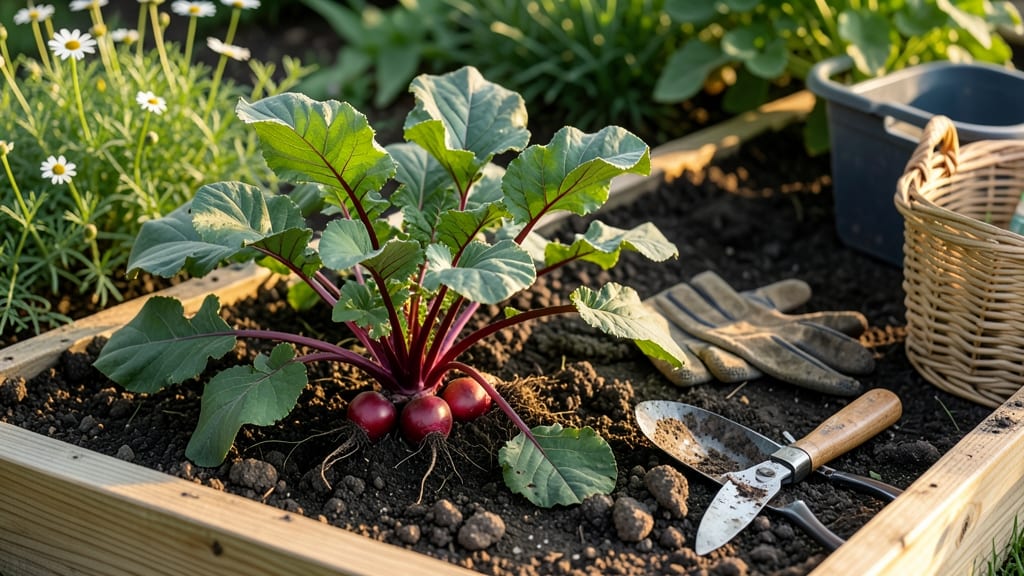
Harvesting beets at the right time means the difference between a meal of bland, fibrous roots and a burst of sweet, tender flavor 🍠—and timing it correctly is easier than you think.
Picture this: you’ve nurtured your beet patch for weeks, only to pull a tiny, pale root that tastes more like dirt than earthy goodness. Or worse, a woody, overgrown mess that’s tough to chew. The secret? Knowing when those 1- to 2-inch roots are ready—before they bolt or turn bitter.
Beets thrive in spring and fall, but the clock starts ticking from the moment you plant. In Zone 6a, that’s June–July for spring-planted crops and October–November for fall.
Below, I’ll walk you through the visual cues, seasonal tweaks, and post-harvest steps to keep your harvests sweet and your pantry stocked.
Ready to go from guesswork to golden, glossy beets? Here’s how to nail the harvest window every time—plus, how to store them so they stay fresh for months.

When to harvest beets for sweetest flavor: size, days, and seasonal clues
Harvesting beets at the perfect beets harvest time transforms them from bland to sweet, tender, and packed with flavor. Unlike many vegetables, beets actually become sweeter when exposed to cold temperatures, making seasonal timing crucial.
Whether you're growing Detroit Dark Red or Golden Beets, understanding the right cues ensures you enjoy their peak taste and texture.
Most beet varieties reach maturity between 30 and 70 days after sowing, but this range varies by type. Baby beets (like 'Babybeat') can be ready in as little as 30 days, while larger heirloom varieties may take closer to 70 days.
The key is balancing size, color, and firmness to avoid woodiness or bitterness.
Spring vs. fall harvests also impact sweetness. Spring-planted beets benefit from cooler soil temperatures, while fall harvests (after a light frost) concentrate sugars. In my experience, late-summer beets planted in August often yield the sweetest roots by October.
| Factor | Spring Harvest | Fall Harvest | Visual Cues |
|---|---|---|---|
| Days to Maturity | 50-60 days | 55-70 days | 1-2 inch diameter roots |
| Ideal Soil Temp | 50-65°F | 40-50°F (post-frost) | Deep consistent color (no green streaks) |
| Leaf Height | 4-6 inches | 5-7 inches | Firm skin that resists gentle pressure |
| Best Months | May-June | October-November | No woody core when cut |
For the sweetest flavor, aim for beets with 1-2 inch diameter roots—any smaller and they’ll be underdeveloped, while larger ones risk becoming tough. I always check the top leaves too; healthy beets have vibrant, deep-colored foliage (red, purple, or green depending on variety) that’s 4-6 inches tall.
Another trick I use is the finger test: gently press the beet’s skin. If it feels firm but yields slightly (like a ripe avocado), it’s ready. Overripe beets develop a woody texture and bitter taste, while underripe ones stay pale and bland.
The skin should also be smooth and unblemished, with no cracks or soft spots.
Seasonal timing matters too. In spring, harvest when soil temps stay above 50°F—cooler nights sweeten the roots. For fall harvests, wait until after the first light frost (around October in most zones) to maximize sugar content.
I’ve found that beets harvested in October taste richer than those pulled in July.
If you’re growing multiple varieties, note that golden beets often mature slightly faster than red types. For example, 'Chioggia' (striped beets) typically need 60-65 days, while 'Boltardy' (heat-tolerant) can take up to 70 days. Always check seed packets for specific days to maturity guidelines.
One common mistake is harvesting based solely on size. A 2-inch beet might look perfect but taste bland if the soil was too warm. Conversely, a 1.5-inch beet can be sweet and tender if grown in cooler conditions. Always combine size, color, and firmness for the best results.
Pro tip: If you’re unsure, harvest a few beets early and taste-test them! This helps you dial in the perfect beets harvest time for your specific climate. Store any slightly underripe beets in the fridge for a few days—they’ll sweeten up as they mature.
How to store harvested beets: long-term preservation methods for maximum freshness
Once you’ve harvested your beets at the perfect beets harvest time, proper storage ensures they stay sweet and vibrant for months. Beets are versatile—you can store them fresh, fermented, frozen, or canned—but each method requires specific steps to maintain quality.
Let’s explore the best techniques to keep your harvest fresh through winter and beyond.
Freshly harvested beets contain high moisture, making them prone to spoilage if not stored correctly. The key is to remove excess dirt, trim foliage, and choose the right preservation method based on your needs.
Whether you want to enjoy them raw, cooked, or preserved, understanding these techniques will help you minimize waste and maximize flavor.
Beet Storage Methods: Pros and Cons
| Method | Pros | Cons |
|---|---|---|
| Refrigeration | Quick access, retains crunch | Short shelf life (2-4 weeks) |
| Curing & Root Cellar | Long-term (3-5 months) | Requires space, risk of rot |
| Freezing | Preserves nutrients, easy prep | Texture changes post-thaw |
| Fermenting | Probiotics, shelf-stable (6+ months) | Time-consuming, tangy flavor |
| Canning | Long shelf life (1+ years), versatile | Requires equipment, risk of botulism if improper |
For short-term storage, refrigeration is the simplest method. After harvesting, rinse beets gently and trim the greens, leaving a 1-inch stem to prevent bleeding. Store them in a plastic bag with a damp paper towel to retain moisture.
They’ll stay fresh for 2-4 weeks in the crisper drawer, ideal for quick meal prep.
For long-term storage, curing beets in a cool, dark root cellar (32–40°F) is ideal. After harvesting, remove excess soil and let them dry for 24 hours to form a protective skin.
Store in sandboxes or hanging nets to prevent rot. Properly cured beets last 3-5 months, perfect for winter soups and stews.
Freezing is another great option for preserving beets. Peel, slice, or cube them, then blanch in boiling water for 2 minutes before shocking in ice water. Pack into freezer-safe bags with air removed. Frozen beets retain their nutrients for up to 12 months, though texture softens slightly after thawing.
Fermenting beets adds a tangy twist while extending shelf life. Slice thinly and pack into a clean jar with a 2% salt brine. Use a fermentation weight to keep beets submerged.
Fermented beets develop probiotics and last 6+ months in the fridge, adding a unique flavor to salads and snacks.
Finally, canning beets is a classic method for long-term preservation. Peel and slice beets, then pack into sterilized jars with boiling water or a light pickle brine.
Process in a water bath canner for 75 minutes (pints) or 90 minutes (quarts). Canned beets stay shelf-stable for 1+ years and are perfect for pantry staples.