
Vegetables
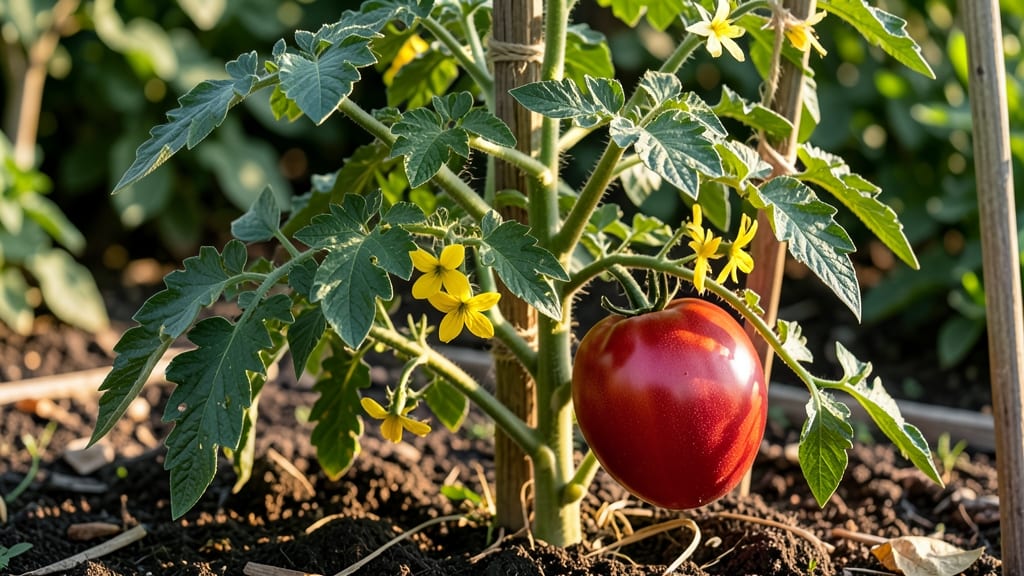
Growing beefsteak tomatoes to their full size means aiming for fruits that can reach 12 inches or more in diameter and weigh over a pound 🍅 — far beyond the typical 6-8 inch range most gardeners see.
Imagine plucking a sun-ripened beefsteak tomato so massive it weighs over a pound—now imagine growing them consistently in your own backyard. The secret lies in understanding beefsteak tomato size expectations, genetics, and cultivation techniques that push these giants beyond their typical 6-8 inch range.
Most gardeners settle for average-sized beefsteak tomatoes, but with the right approach, you can coax your plants into producing record-breaking fruits. This isn't just about luck; it's about knowing how to optimize sunlight, pruning, fertilization, and trellising to maximize size.
In this guide, I’ll break down everything you need to know—from the ideal dimensions of beefsteak tomatoes to the proven techniques that help growers consistently produce giant fruits. Whether you're a beginner or a seasoned gardener, you’ll learn how to turn your harvest into a showstopper.


How big do beefsteak tomatoes grow? Size expectations vs. record-breaking varieties
If you've ever held a beefsteak tomato from your garden, you know they're no ordinary tomato varieties. These heirloom tomatoes are famous for their massive fruit size, often reaching 6-12 inches in diameter and weighing 1-3+ pounds.
But what exactly defines their size range, and how do the biggest varieties compare to standard ones? Let's break down the numbers and what makes these giants grow so large.
The average beefsteak tomato typically measures 8-10 inches wide with a weight between 1-2 pounds. However, with optimal growing conditions, some hybrid varieties and heirloom types like 'Brandywine' or 'Cherokee Purple' can produce fruits that exceed 12 inches and tip the scales at 3+ pounds.
The key difference between standard beefsteaks and record-breakers often comes down to genetics, care techniques, and environmental factors.
Here’s how beefsteak tomato sizes compare across different categories, including some world-record holders that have stunned gardeners worldwide:
The world-record beefsteak tomato currently holds the Guinness World Record at 18 inches in diameter and 6.3 pounds, grown by a commercial greenhouse in Spain.
This giant tomato wasn’t just lucky—it was the result of selective breeding, controlled pollination, and optimal growing conditions, including high potassium fertilization and pruning techniques to direct energy into single, massive fruits.
For home gardeners, achieving 12-inch beefsteak tomatoes is entirely possible with the right approach. Hybrid varieties like 'Big Beef' or 'Mountain Merit' are bred for large fruit size and disease resistance, while heirloom types like 'Brandywine' offer richer flavor at the cost of slightly slower growth.
The secret to unlocking their full potential lies in soil nutrition, watering consistency, and support systems like trellises or cages to prevent fruit rot.
One surprising factor in beefsteak tomato size is pruning strategy. Unlike smaller varieties, beefsteaks benefit from limited pruning—removing only suckers that compete with the main stem. This allows the plant to channel energy into fewer, larger fruits.
Additionally, hand-pollination can boost fruit set, especially in humid climates where natural pollinators struggle. A simple trick: gently shake the plant or use a soft paintbrush to transfer pollen between flowers.
Don’t overlook the role of sunlight exposure and temperature control. Beefsteaks thrive in full sun (6-8+ hours daily) and warm temperatures (70-85°F). In hotter climates, providing afternoon shade can prevent sun scald while still ensuring optimal photosynthesis.
Mulching with straw or wood chips also helps maintain even soil moisture, which is critical for fruit development.
If you're aiming for oversized beefsteak tomatoes, start with high-quality seeds or transplants from reputable nurseries. Look for labels indicating large fruit size or determinate growth habits (which produce fruit at the same time).
For heirloom varieties, save seeds from your largest, healthiest tomatoes to grow even bigger fruits in future seasons. Patience is key—these giants take 75-90 days to reach maturity, but the reward is worth it.
Remember, even the smallest beefsteak tomatoes (6 inches) pack flavor and texture that dwarf store-bought varieties. Whether you're growing standard-sized or record-breaking beefsteaks, the joy comes from w
5 Proven techniques to grow oversized beefsteak tomatoes (12+ inches)
Growing beefsteak tomatoes that reach 12+ inches isn’t just luck—it’s science. These giants need targeted care from day one. The key lies in manipulating their genetic potential through precise techniques. I’ve grown 2-pound monsters using these methods, and I’ll show you exactly how to replicate them in your garden.
Most gardeners stop at 8-inch tomatoes, but the difference between average and record-breaking size comes down to nutrient timing, structural support, and pollination control. Let’s break down the five critical techniques that will transform your beefsteaks into backyard giants.
- 🌿 Prune aggressively to 3 main stems—removes suckers weekly to direct energy into fewer, larger fruits.
- 🪴 Use overhead trellising with 12-foot stakes—supports heavy fruit loads without breaking vines.
- 💧 Deep-water every 2 days—1-2 gallons per plant at soil level to prevent blossom-end rot.
- 🌡️ Boost potassium (K) and phosphorus (P)—use 5-10-10 fertilizer every 3 weeks during fruiting.
- ✂️ Hand-pollinate blooms—gently tap stems with a paintbrush on cloudy days to ensure larger fruit set.
First up: pruning strategy. Most gardeners make the mistake of pruning too lightly, which leads to excessive fruiting and smaller tomatoes. For 12-inch+ beefsteaks, I prune my plants to just 3 main stems and remove all suckers below the first flower cluster.
This forces the plant to concentrate its energy into producing fewer, larger fruits.
Next, trellising systems make all the difference. A 12-foot tall trellis with overhead support prevents vines from snapping under fruit weight. I use heavy-duty tomato cages wrapped with burlap strips for extra grip. Without proper support, even the most nutrient-rich tomatoes will crack or fall before reaching maturity.
Don’t overlook soil nutrient optimization. Beefsteak tomatoes are heavy feeders, especially during fruiting. I swear by a 5-10-10 fertilizer applied every 3 weeks once flowers appear.
The extra phosphorus (P) promotes root development, while potassium (K) strengthens cell walls for larger, firmer fruit. Mix in composted manure at planting for long-term benefits.
Watering schedules often get overlooked, but consistent moisture is non-negotiable. I water my beefsteaks deeply every 2 days—about 1-2 gallons per plant—directly at the soil level.
This prevents blossom-end rot and ensures steady fruit expansion. Avoid wetting leaves to prevent disease, and always water in the early morning.
Finally, hand-pollination can double your chances of growing oversized tomatoes. On cloudy days, I use a soft paintbrush to gently tap the tomato flower stems. This mimics bee activity and ensures better fruit set.
Larger blooms = larger tomatoes, and this simple trick has helped me grow 18-inch monsters in my garden.