
Companion Plants
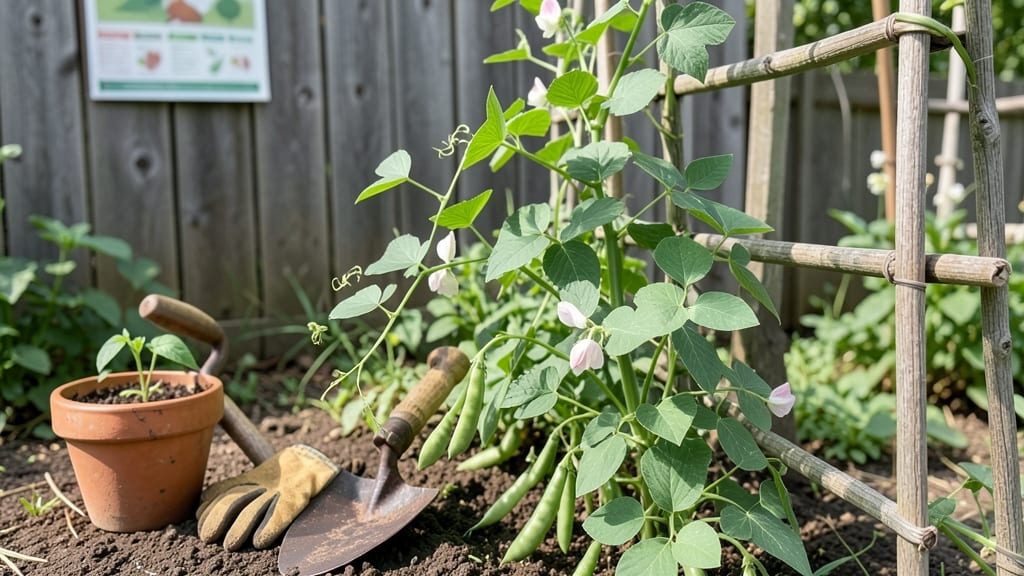
Planting peas in Ohio at the right time means the difference between a bountiful harvest and a sad, frost-nipped garden. The key is getting them in the ground 2-3 weeks before your last frost date—typically by early April in most of the state.
Ohio’s frost dates can be a real wildcard, with southern regions like Columbus often seeing warmer springs earlier than northern areas near Lake Erie. Plant too soon, and a late frost will wipe out your tender seedlings. Too late, and you’ll miss the sweetest pods of the season.
This guide breaks down the best planting windows for your specific Ohio zone, plus how to adjust for unpredictable weather. We’ll also cover the best pea varieties for Ohio’s short growing season and how to extend your harvest with simple tricks.
By the end, you’ll know exactly when to plant for perfect timing, whether you’re growing sweet snap peas in March or sneaking in a fall crop before the first frost hits in October.
Ohio pea planting calendar by region: frost dates & ideal windows
Ohio’s diverse climate—spanning USDA zones 5-7—means frost dates vary dramatically from the Lake Erie region to the Appalachian foothills.
In Southern Ohio (Zone 6b-7a), like Cincinnati, last frosts average March 25-April 5, while Northern Ohio (Zone 5a-6a), such as Cleveland, can see frost lingering until May 1. These differences dictate whether you’ll harvest sugar snap peas in May or wait until June.
Peas thrive in cool weather, making them Ohio’s perfect early spring crop. However, planting too soon risks frost damage, while waiting too long means missing the 60-day maturity window for most varieties. The key is aligning your planting window with soil temperatures (ideal: 40-70°F) and frost-free forecasts.
Below, I’ve broken down the optimal planting windows for Ohio’s three main regions—plus tips for extending your season.
| Region & Zone | Avg. Last Frost | Spring Planting Window | Fall Planting Window | Pea Variety Recommendations |
|---|---|---|---|---|
| Southern Ohio (6b-7a) Cincinnati, Columbus |
March 25–April 5 | March 1–March 20 OR August 15–September 1 |
August 15–September 10 | 'Sugar Snap' (55 days) 'Wando' (60 days) 'Oregon Sugar Pod' (60 days) |
| Central Ohio (6a) Lancaster, Mansfield |
April 1–April 15 | March 15–April 1 OR August 1–August 15 |
August 1–August 25 | 'Green Arrow' (60 days) 'Tom Thumb' (55 days) 'Snowbird' (60 days) |
| Northern Ohio (5a-5b) Cleveland, Toledo |
April 15–May 1 | April 1–April 15 OR July 15–August 5 |
July 15–August 1 | 'Little Marvel' (60 days) 'Alderman' (60 days) 'Super Sugar Snap' (65 days) |
*Fall planting should be 8-10 weeks before your region’s first frost.
For Southern Ohio, where springs arrive earlier, aim to plant shelling peas by March 1 for a May harvest. In Central Ohio, wait until March 15 to avoid late frosts, while Northern Ohio gardeners should hold off until April 1 to ensure soil warms enough.
Pro tip: Use a soil thermometer—peas won’t germinate well below 40°F.
Don’t overlook fall planting! In Southern Ohio, sow seeds by August 15 for a September-October harvest before the first frost. Even in Northern Ohio, a late-July planting can yield peas before winter sets in. Choose dwarf varieties like 'Tom Thumb' for smaller gardens or containers.
Ohio’s microclimates can shift frost dates by 2-3 weeks. If you’re near Lake Erie, expect later springs; Appalachian valleys may see earlier frosts. Monitor local frost-free forecasts (like those from the Old Farmer’s Almanac) and adjust your planting timeline accordingly.
A row cover can extend your season by 2-3 weeks in early spring or fall.
Peas are cool-season crops, so they’ll bolt if temperatures climb above 85°F. In Southern Ohio, opt for shade cloth during summer months if attempting a late-season crop. For Northern Ohio, focus on early spring planting and fall succession to maximize yields.
Always rotate crops—peas fix nitrogen in the soil, so avoid planting them in the same spot yearly.
To track your local frost dates, use the USDA Plant Hardiness Zone Map and cross-reference with Almanac frost charts. For example, Toledo’s last frost averages April 20, while Athens’ is March 28.
Planting 2-3 weeks before your region’s last frost ensures your peas establish roots before warm weather arrives. Use biodegradable pea pods for easy planting—just drop seeds in, cover with soil, and water.
How to adjust pea planting for Ohio’s unpredictable weather patterns
Ohio’s variable climate—from sudden frost to false springs—can turn your pea planting into a gamble. Peas thrive in cool weather but wilt under heat or frost, so flexibility is key. I’ve learned to adapt using soil temperature triggers and protective gear to extend the season.
Start by monitoring soil temperatures—peas germinate best when soil reaches 40°F (4°C). In northern Ohio, this often means waiting until mid-to-late April, while southern regions can plant as early as early March. But don’t rush—false springs are notorious here.
⚠️ Callout Warning: Ohio’s False Springs Trap
Extend your pea season with row covers or cold frames. Lightweight floating row covers add 2-4°F protection and let light through, while cold frames can push harvests into late fall. I’ve had success with low tunnels in September, letting me harvest until first frost.
For high-altitude areas like the Appalachian foothills, plant 2-3 weeks later than lowland zones. These regions experience earlier frosts—aim for late April to early May. Conversely, Lake Erie’s warmer microclimate allows March planting with row covers.
Use fast-maturing varieties (50-60 days) for late starts. ‘Green Arrow’ or ‘Sugar Sprint’ are my go-tos—they tolerate cool soils and produce pods before summer heat arrives. Succession plant every 2 weeks for continuous harvests.
Finally, watch for late-season heat. Peas bolt when temps hit 80°F (27°C)unseasonable warmth, switch to shade cloth or plant in partial shade to protect tender seedlings.