
Vegetables
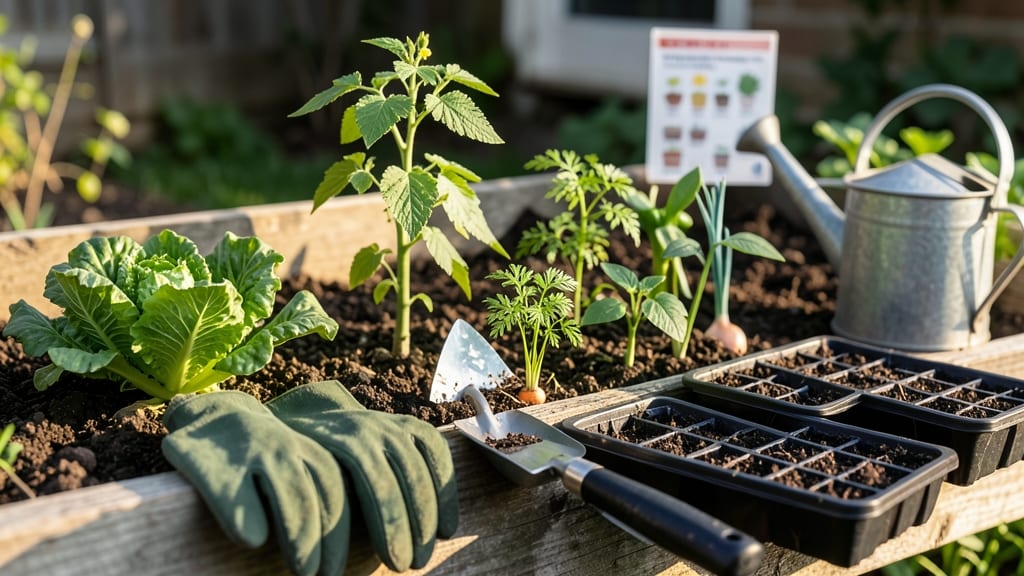
Knowing when to plant vegetables in the garden means the difference between a bountiful harvest and a season of disappointment. ✨ I’ve learned that timing isn’t just about dates—it’s about soil temperature, frost risk, and even the phase of the moon for some gardeners.
Cold-hardy varieties like peas, spinach, and kale can handle early spring planting, while tender crops like tomatoes and peppers need to wait until after the last frost.
The key is knowing your USDA zone and local frost dates—tools like the Old Farmer’s Almanac or your local cooperative extension can help. For spring planting, aim for 2-4 weeks before your last frost date for cool-season crops, while summer vegetables should go in after soil warms to 60°F.
My garden journal tracks these details year after year, and it’s saved me from planting too early (and losing seedlings to frost) or too late (and missing the growing season).
You’ll end up with strong, healthy plants that produce for weeks, not days. The first harvests of fresh peas or crisp lettuce from early spring planting are worth the planning—there’s nothing like pulling a cold-hardy green straight from the garden when store-bought options are still scarce.
And for fall planting? The same rules apply in reverse, letting you extend your harvest well into autumn.
Whether you’re working in a backyard plot, containers, or raised beds, the timing principles stay the same. The only real mistake is not starting at all—so grab a calendar, check your zone, and get those seeds in the ground when the time is right.
📚 In This Guide
- What you need
- Instructions
- Tips and common mistakes
- Wrapping up and next steps
What you need
- ● Seeds or seedlings: Choose cold-hardy varieties like kale, spinach, broccoli, or peas (check seed packets for planting zones).
- ● Garden soil: Well-draining, nutrient-rich soil (amend with compost if needed). Quantity: Enough to fill your garden beds (typically 6–12 inches deep).
- ● Fertilizer: Organic compost or balanced fertilizer (e.g., 10-10-10). Quantity: 2–3 lbs per 100 sq. ft.
- ● Watering can or hose: With a gentle spray nozzle for even moisture.
- ● Gloves & knee pads: For comfort while digging and planting.
- ● Garden trowel or transplant spade: For digging holes (6-inch depth for most seedlings).
- ○ Row covers or frost cloth: (Optional but helpful for early planting—1–2 mil thickness, enough to drape over beds).
- ● Mulch: Straw or shredded leaves to retain moisture and regulate soil temp.
- ● Plant markers: Wooden stakes or labels to track varieties.
- ● Soil thermometer: To monitor ground temps (ideal: 40–50°F for cold crops).
- ● Organic pest control: Neem oil or diatomaceous earth for early-season pests.
Perfect timing for planting cold-hardy vegetables
The secret to thriving cold-hardy vegetables lies in understanding your frost dates—not just guessing. Here's how to pinpoint the exact window for planting.
☀️ Step 1: Determine Your Last Frost Date
Find your average last frost date using a local almanac or gardening extension service. This is the critical number—it tells you when the ground has warmed enough for sensitive seedlings. For cold-hardy varieties like peas, spinach, and kale, you can plant 4-6 weeks before this date, even if frost is still possible.
Here's the thing—don't rely on calendar dates alone. A late spring can delay frost by weeks, while an early one might bring it sooner. I always check with my local cooperative extension office for the most accurate forecast. Write this date on your calendar in bold red ink—it's your planting deadline.
⏰ Step 2: Calculate Planting Windows for Cold-Hardy Varieties
Cold-hardy vegetables fall into two timing categories: early spring and late summer/fall. For early spring, count back 4-6 weeks from your last frost date. For late summer/fall, count forward 6-8 weeks before your first frost date. This ensures plants mature before cold snaps.
For example, if your last frost is May 15, plant hardy greens like lettuce and spinach around April 1-15. If your first frost arrives October 10, you can still sow cold-tolerant radishes and kale until September 1-15. I always plant a test row of radishes—they germinate fast, so they tell me if my timing is right.
🌱 Step 3: Prepare the Soil and Plant at the Right Depth
Once you've nailed the timing, prepare the soil by loosening it to a depth of 6-8 inches with a broadfork or tiller. Cold-hardy vegetables prefer loose, well-draining soil that warms quickly. Add a 1-inch layer of compost and mix it in to boost fertility without overheating the soil.
Plant seeds at the depth recommended on the packet—usually twice the seed diameter. For example, pea seeds (about 1/4 inch in diameter) go 1/2 inch deep. Press the soil gently around seeds to ensure good contact, then water lightly with a spray bottle. Overwatering now can wash seeds too deep or create muddy conditions that slow germination.
🌿 Step 4: Monitor for Frost and Protect Young Plants
Even with perfect timing, late frosts can still sneak in. Watch the weather forecast closely, especially in the 1-2 weeks after planting. If frost is predicted, cover seedlings with frost cloth or row covers the night before. Remove covers in the morning to let sunlight warm the plants.
You'll know your timing is perfect when seedlings emerge with vibrant green leaves and grow steadily despite cool temperatures. If leaves look yellow or wilted, it's a sign of either too much cold or uneven soil moisture. Adjust your watering—cold-hardy plants need consistent moisture but hate soggy roots.
✂️ Step 5: Thin and Maintain for Continuous Harvests
Once seedlings reach 2-3 inches tall and have 2-3 true leaves, thin them to the recommended spacing on the seed packet. For cold-hardy greens like spinach, this is usually 4-6 inches apart. Thinning ensures stronger plants by reducing competition for nutrients and light.
Cold-hardy vegetables often thrive in cooler weather, so don’t rush to fertilize heavily. A light application of balanced organic fertilizer (like 5-5-5) every 4-6 weeks keeps them growing without encouraging rapid, frost-sensitive growth. Mulch with 2-3 inches of straw to retain soil moisture and regulate temperature swings.
Tips & tricks for perfect cold-hardy vegetable planting
Mastering the timing for cold-hardy vegetables transforms guesswork into garden success. Here's what I've learned after years of trial and error in backyard gardens and community plots.
Frost Date Flexibility: While the 4-6 week window before your last frost is ideal, don't panic if you're a week late. Many cold-hardy varieties like kale and peas can handle light frost, especially if they're established. I've had success planting spinach up to 2 weeks before my official last frost date—just monitor weather forecasts closely during that period. The key is ensuring seedlings have at least 2-3 weeks to establish roots before any hard freeze arrives.
Soil Temperature Matters: Cold-hardy doesn't mean cold soil! These plants need soil temperatures between 40-50°F to germinate properly. Use a soil thermometer to check—if it's below 40°F, wait a few more days or use black plastic mulch to warm the soil faster. I've seen dramatic differences in germination rates when soil temps were just 5°F apart. For raised beds, this warming happens more quickly than in ground soil.
Test Row Strategy: Before committing to your full planting, create a small test row with fast-germinating seeds like radishes or lettuce. This gives you real-time feedback on your soil conditions and timing. I always plant these test rows about 10 days before my planned planting date. If they germinate well and grow steadily, I know my main crops will thrive too. This simple step has saved me from planting too early when soil was still too cold.
Frost Protection Essentials: For that critical 1-2 week period after planting, keep these frost protection items ready: lightweight row covers, old bedsheets, and small hoops or stakes for creating mini greenhouses. I've used everything from plastic milk jugs (cut in half) to old window frames to protect tender seedlings. The secret is covering plants before sunset and removing covers by mid-morning to let sunlight warm them naturally. This creates a microclimate that can raise temperatures by 5-10°F overnight.
Pro Tips for When Plant Vegetables In Garden
- Mastering the timing for cold-hardy vegetables transforms guesswork into garden success.
- Frost Date Flexibility: While the 4-6 week window before your last frost is ideal, don't panic if you're a week late.
- Soil Temperature Matters: Cold-hardy doesn't mean cold soil!
Frequently asked questions
Got questions about planting your veggie garden? You’re not alone! Here are answers to the most common concerns—so you can grow confidently and avoid common pitfalls.
When is the exact best time to plant vegetables in my region?
Timing depends on your hardiness zone (check the USDA map) and crop type. Cold-hardy veggies (like kale or peas) can go in early spring (as soon as soil is workable, ~40°F/4°C), while heat-lovers (tomatoes, peppers) wait until after last frost (usually late spring/early summer). Use a local frost date guide for precision!
Can I plant vegetables in the fall for a winter harvest?
Many veggies thrive in cooler weather—think kale, spinach, broccoli, carrots, and radishes. Plant them 8–10 weeks before your first fall frost (e.g., late summer in Zone 5). Use row covers or cold frames to extend the season. Just avoid frost-sensitive crops like basil or cucumbers!
What if I miss the planting window? Can I still grow vegetables?
Don’t panic! Try succession planting (sowing small batches every 2–3 weeks) for crops like lettuce or beans. For late starters, opt for fast-growing varieties (e.g., bush beans, radishes, or arugula) or use container gardening to control microclimates. Even a partial harvest beats no garden!
How do I protect my plants from pests before they even sprout?
Prevention is key! Start with healthy soil (compost + balanced fertilizer) to boost plant resilience. Use row covers or floating fabric to block pests like cabbage moths. For slugs, set out beer traps or copper tape. Crop rotation also disrupts pest life cycles—avoid planting the same family (e.g., tomatoes/peppers) in the same spot yearly.
What’s the deal with “warm soil” for planting? How do I check?
Some seeds (like peas or lettuce) need soil temps between 45–55°F (7–13°C), while others (tomatoes, squash) prefer 60–70°F (15–21°C). Use a soil thermometer (insert 2” deep) or watch for spring ephemerals (like crocuses blooming = soil’s warming). Pro tip: Black plastic mulch warms soil faster!
Bonus Tip:
Still unsure? Try seed packets’ planting charts—they often list ideal temps and days to maturity. And when in doubt, start with cold-hardy greens (they forgive mistakes better than tomatoes!).
Wrapping up and next steps
Planting your garden with cold-hardy vegetables is a rewarding way to enjoy fresh, homegrown produce—even in cooler seasons! 🌱 Whether you're a seasoned gardener or just starting, timing is key to success.
By following this guide, you’ve learned the best months to sow seeds and transplant seedlings for maximum growth and flavor.
Now that you’re ready to take action, grab your gloves, pick your favorite cold-hardy varieties, and get planting! Start small if needed, but don’t wait—your garden (and future meals) will thank you. Happy growing! 🌟
Next step: Mark your calendar with the ideal planting dates for your zone and watch your garden thrive!