
Vegetables
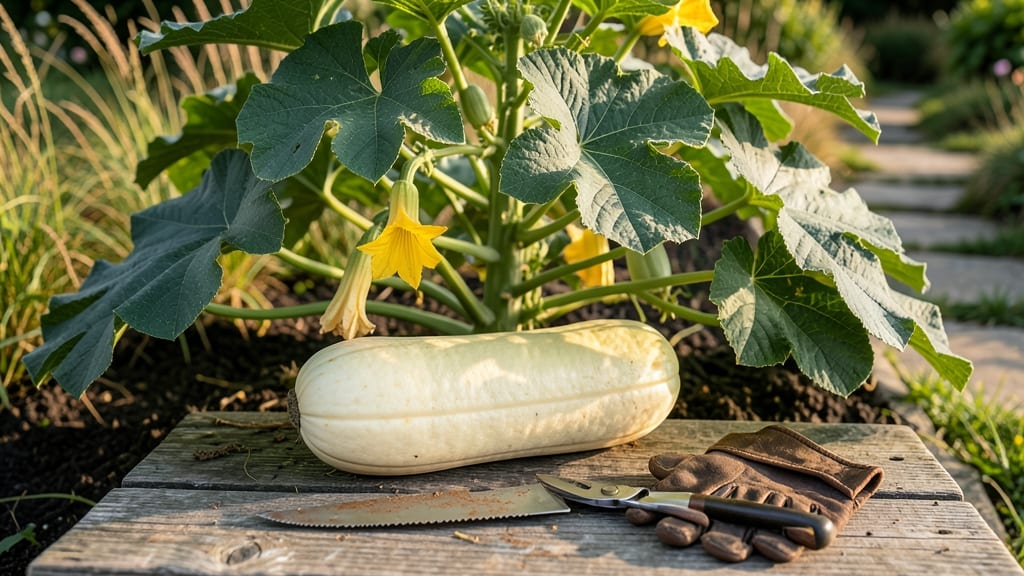
Spaghetti squash is in season from late summer through early fall 🎃, when the vines turn golden and the flesh inside transforms into strands that taste like al dente pasta.
If you love spaghetti squash but struggle to find it fresh or at the right price, knowing its peak harvest months could save you money—and disappointment.
Timing is everything when it comes to this versatile winter squash, and USDA zones play a major role in determining when to plant, harvest, and enjoy it.
In warmer zones like the South, you’ll find spaghetti squash as early as August, while gardeners in cooler climates like Zone 6a might wait until September or October for the perfect harvest.
The difference between a sweet, tender squash and a tough, watery one often comes down to picking it at the right moment.
Below, I’ll break down the best months to plant and harvest by zone, share storage tips to extend freshness, and even suggest a few simple recipes to make the most of your seasonal haul.
Spaghetti squash season by USDA Zone: when to plant and harvest
Spaghetti squash thrives in warm weather, making timing critical for a successful harvest. Unlike frost-hardy crops, this winter squash cannot tolerate freezing temperatures at any growth stage. That’s why knowing your USDA zone helps you avoid planting too early or too late—both mistakes can ruin your yield.
Whether you're in Zone 3 or Zone 11, the right window ensures sweeter, higher-quality squash with fewer pests.
In cooler zones like 3-5, spaghetti squash is a short-season crop that must be planted early and harvested before the first frost. Meanwhile, gardeners in Zones 9-11 enjoy a longer growing season, allowing for fall and even winter harvests with proper care.
The key difference? Frost sensitivity and daylength variations across regions directly impact when you should sow seeds and when to expect ripe fruit.
| USDA Zone | Planting Window | Harvest Window | Days to Maturity | Key Notes |
|---|---|---|---|---|
| 3-5 | Mid-May to early June (after last frost) | Late August to mid-September | 85-100 days | Use row covers; harvest before first frost |
| 6-7 | Late April to mid-May | September to early October | 85-95 days | Ideal for cooler summers; mulch to retain heat |
| 8-9 | March to early April | October to November | 90-100 days | Longer season; can extend with black plastic mulch |
| 10-11 | January to February | December to January (next year) | 95-110 days | Tropical climates; harvest year-round with care |
In Zones 3-5, where summers are short, I recommend starting seeds indoors 4-6 weeks before your last frost date. This head start gives spaghetti squash the 60-70 days of warm soil it needs to germinate properly.
For example, if your last frost is May 15, plant seeds indoors by April 1 to ensure vines establish before summer heat peaks. Without this early start, you risk stunted growth or immature harvests.
Gardeners in Zones 6-7 have more flexibility, but timing still matters. Plant seeds directly in the garden after soil reaches 60°F—typically mid-April to early May. The goal is to have squash mature before first frost dates, which can arrive as early as October 1 in Zone 6.
I’ve found that black plastic mulch raises soil temperatures by 5-10°F, giving plants an extra boost in cooler regions.
For Zones 8-9, where summers are long and hot, you can push the envelope. Plant seeds in March for an early harvest, or even succeeding crops in late summer for a fall harvest. Just beware of powdery mildew, which thrives in humid conditions.
Space plants 3-4 feet apart and water at the base (not overhead) to prevent fungal issues. In my Zone 8 garden, this strategy lets me harvest two batches per year!
In Zones 10-11, spaghetti squash grows almost year-round, but heat stress can be an issue. Plant in early spring or fall to avoid 100°F+ temperatures, which slow growth. I’ve had success with shade cloth during peak afternoons, though it reduces sunlight slightly.
The trade-off? Longer harvest windows—you can enjoy fresh spaghetti squash from October through March with proper care.
Regardless of your zone, harvest timing directly impacts flavor and storage life. Squash picked too early will be watery and bland, while overripe fruit develops a woody texture. Aim to harvest when the rind turns dull yellow and the stem shrinks slightly at the blossom end.
In my experience, Zone 6 gardeners should harvest by September 15 to avoid frost damage, while Zone 10 gardeners can stretch harvests into December.
Pro tip: Cure your harvest properly to extend storage. Place squash in a warm, dry spot (80-85°F) for 10 days before storing. This hardens the skin and concentrates sugars. Cured squash in Zones 3-5
How to extend spaghetti squash season: storage and growing tips
Even after harvest, you can enjoy spaghetti squash for months with the right storage techniques. These winter squashes thrive in cool, dry conditions, making them perfect for long-term preservation.
Whether you're a home gardener or a market buyer, knowing how to store them properly will keep your squash fresh until spring.
For gardeners in cooler climates, extending the growing season is key. Using row covers or cold frames can protect your plants from early frosts, giving you an extra 2-3 weeks of harvest time. This simple trick works wonders for USDA zones 3-7, where frost arrives earlier.
🌱 Pro Tip for Longer Harvests
Cold-hardy varieties like 'Honey Bear' can tolerate light frosts (28-30°F) for short periods. Pair this with black plastic mulch to warm soil early in the season, giving plants a head start before summer heat arrives.
When storing harvested squash, choose a cool (50-55°F), dry, and well-ventilated space like a root cellar or pantry. Avoid refrigeration—it converts starches to sugars, making the flesh grainy and less sweet. A single squash can last 2-3 months under ideal conditions.
Container gardening opens doors for urban growers to extend seasons too. Use 5-gallon fabric grow bags filled with lightweight potting mix. These allow roots to breathe while retaining moisture. Place containers near south-facing walls to maximize warmth during cool mornings and evenings.
For late-season plants, try successive planting in warm climates (zones 8-11). Start new seeds every 2 weeks from late spring through early summer. This staggered approach ensures a continuous harvest through October or November, depending on your local frost date.
Always cure your squash before storing. Place whole, undamaged fruits in a warm (80-85°F), dry spot for 10 days. This hardens the rind and concentrates flavors. Skip curing if you plan to use the squash within a week—just store it at room temperature.
With these techniques, you'll enjoy homegrown spaghetti squash year-round, from fresh harvests to winter storage. Happy gardening! 🎃