
Vegetables
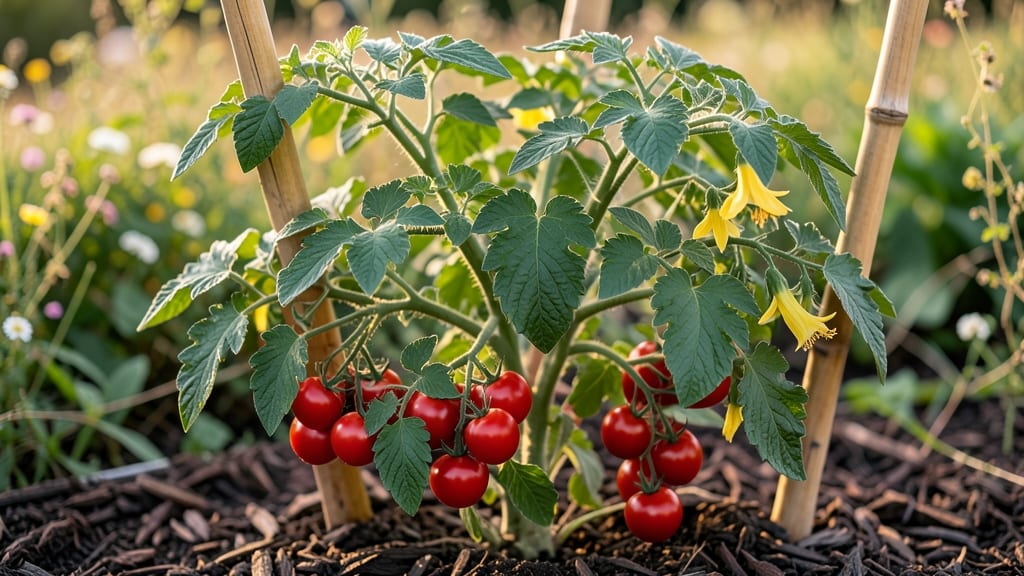
Growing super sweet tomatoes that burst with flavor is the kind of victory that makes neighbors stop and ask for cuttings. 🌱 The secret lies in choosing cold-hardy varieties like 'Sugar Snap' or 'Sweet 100'—they thrive in cooler climates and keep producing bold, sugar-packed fruit even when summer heats up.
My first attempt with store-bought plants left me disappointed, but once I switched to these varieties and adjusted my growing approach, my tomatoes tasted like summer vacation every time I bit into one.
You'll need rich, well-draining soil mixed with compost (think 3 parts soil, 1 part compost), sturdy cages or stakes for support, and a sunny spot that gets at least 6-8 hours of sunlight daily. The key to that signature sweetness?
Balancing watering—deep soaks 2-3 times a week instead of daily sprinkles—and avoiding over-fertilizing with nitrogen (it makes leaves grow faster than fruit). I learned this the hard way when my first batch turned out mealy instead of sweet.
By mid-summer, you'll be harvesting tomatoes that practically melt in your mouth, with flavors so intense they'll make grocery-store tomatoes taste bland. The plants keep producing until frost, and with proper pruning (removing suckers and lower leaves), you'll get stronger stems, better air circulation, and fewer pests.
Even if you've struggled with blossom end rot or cracking in the past, these varieties and techniques help prevent those common issues.
Works in containers or in-ground beds, whether you're in Zone 4 or Zone 9. The same principles apply—just adjust your planting timeline to suit your climate. Here's how to make it happen without the usual growing headaches.
📚 In This Guide
- What you need
- Instructions
- Tips and common mistakes
- Wrapping up and next steps
What you need
- ● Seeds or seedlings: Choose cold-hardy varieties like 'Solar Fire', 'Mountain Merit', or 'Stupice' (1-2 plants per pot or 3-4 plants per garden bed).
- ● High-quality potting mix: 10-15 lbs of organic, well-draining mix (e.g., Miracle-Gro Organic Choice or homemade blend of compost, peat, and perlite).
- ● Containers or garden space: For regrowing: 5-gallon buckets or fabric grow bags (1 per plant).
- ● For in-ground: Full sun (6+ hours/day) and loose, fertile soil (amend with compost if needed).
- ● Fertilizer: Balanced organic fertilizer (10-10-10) or tomato-specific feed (e.g., Dr. Earth Home Grown).
- ● Support structures: Cages, stakes, or trellises (for indeterminate varieties).
- ● Basic gardening tools: Trowel, pruners, and gloves.
- ● Watering can or hose: With a gentle spray nozzle for seedlings.
- ● Mulch: Straw or shredded leaves (1-2 inches) to retain moisture.
- ○ Optional but helpful: pH test kit (ideal range: 6.0–6.8).
- ● Row covers (for early-season frost protection).
- ● Drip irrigation system (for consistent watering).
Step-by-step guide to growing super sweet, cold-hardy tomatoes
Here's how I grow tomatoes that survive early frosts and keep producing sweet fruit all season long.
🌱 Step 1: Select Cold-Hardy Varieties and Start Early Indoors
Choose disease-resistant, cold-tolerant varieties like 'Mountain Merit' or 'Stupice'—they handle cooler nights better than standard tomatoes. I start seeds indoors 8-10 weeks before the last frost date, using 72-75°F soil temperatures for best germination. Fill seed trays with sterile seed-starting mix and plant 2 seeds per cell at ¼-inch depth—this prevents overcrowding later.
Cover with a humidity dome and place under grow lights (14-16 hours daily) to prevent leggy seedlings. The moment you see first true leaves (not the initial seed leaves), thin to the strongest seedling per cell. Real talk: if you skip this, you'll end up with weak, competing plants that never reach their full potential.
☀️ Step 2: Harden Off and Transplant After Frost Risk Passes
Two weeks before transplanting, move seedlings outside for 1-2 hours daily, gradually increasing exposure. I place them in a sheltered spot where they get dappled sunlight—this toughens their skin without shocking them. Watch for wilting after 4 hours of sun; if this happens, extend their outdoor time by just 30 minutes the next day.
Transplant after all frost risk has passed, but don't wait until the soil is warmer than 60°F. Bury stems deeper than usual—up to ⅔ of the plant's height—to encourage strong root growth from the buried stem. This trick helps tomatoes recover faster from cold snaps and produces more vigorous plants.
💧 Step 3: Water Deeply and Mulch for Cold Resilience
Water deeply once a week (about 1 gallon per plant) rather than frequent shallow waterings. This encourages deep root growth, which helps tomatoes handle cooler temperatures. I use drip irrigation to keep foliage dry—wet leaves invite fungal diseases like early blight, which thrives in damp, chilly conditions.
Apply 3-4 inches of straw mulch around the base of each plant. This insulates roots from temperature swings and retains moisture. The mulch also blocks weeds, which compete for nutrients and stress the plant. Check soil moisture by sticking your finger 2 inches deep—if it feels dry, water again.
✂️ Step 4: Prune for Airflow and Protect from Late Frost
Prune suckers (the small shoots that grow in the leaf axils) to improve airflow and reduce disease risk. I remove suckers larger than ½ inch to keep the plant's energy focused on fruit production. Leave 2-3 main stems for indeterminate varieties—they'll produce more fruit than over-pruned plants.
If a late frost threatens, cover plants with frost blankets or row covers at dusk. Remove them by 10 AM to let sunlight warm the plants. I also apply compost tea every 2 weeks to boost natural disease resistance. The key is balance: prune enough for airflow but not so much that the plant struggles to support its own weight.
🍅 Step 5: Harvest and Encourage Regrowth for Extended Sweetness
Pick tomatoes when they're fully colored but still slightly firm—this ensures peak sweetness and prevents sunscald. I harvest in the early morning when sugars are highest. Leave a ½-inch stem attached to prevent disease entry points. The moment you harvest, check for new flower clusters—these indicate the plant is still producing.
After the first flush of fruit, I fertilize with a low-nitrogen, high-phosphorus feed to encourage more blooms. This is the secret to extended harvests: keep the plant fed but not leafy. If you see yellowing leaves, it's often a sign of over-fertilization—cut back on nitrogen and focus on potassium for sweeter fruit.
Tips & tricks for perfect cold-hardy tomato cultivation
These game-changing strategies will help you grow tomatoes that thrive in cooler climates and keep producing sweet fruit all season.
Seed Starting Precision: The 8-10 week indoor starting window is critical—check your local frost dates and work backward. I use a heat mat to maintain that 72-75°F soil temperature range for consistent germination. If your home is chilly, consider a heated propagator. Don't rush the process: seedlings need those 14-16 hours of grow light daily to develop strong stems, not just leaves. I've seen seedlings stretch like weeds when light exposure is insufficient—it's a classic sign of legginess that's hard to correct later.
Transplanting Technique: Burying stems up to ⅔ of their height might seem counterintuitive, but this buried portion will grow new roots that strengthen the plant. I mark the original soil line with a pencil before transplanting so I know how deep to bury. For extra cold protection, I add a handful of compost to the planting hole—this gives the roots a nutrient boost right when they need it most. And remember: 60°F soil temperature is your upper limit for transplanting—warmer soil can shock the roots.
Watering Wisdom: The once-weekly, deep watering method (about 1 gallon per plant) might seem extreme, but it's what builds those cold-resistant root systems. I water in the morning so foliage has all day to dry, preventing fungal issues. For containers, you might need to water more frequently—check soil moisture by sticking your finger 2 inches deep. If it feels dry at that depth, it's time to water. The goal is consistent moisture without soggy soil.
Frost Protection Hack: When late frosts threaten, I cover plants with frost blankets at dusk and remove them by 10 AM to allow sunlight penetration. The key is timing—cover too early and you'll trap heat that could actually harm the plants. I also keep a stash of old towels handy to drape over plants during unexpected cold snaps. This simple layer can raise temperatures by 5-10°F, making all the difference during borderline frost conditions.
Pro Tips for Super Sweet Tomato
- These game-changing strategies will help you grow tomatoes that thrive in cooler climates and keep producing sweet fruit all season.
- Seed Starting Precision: The 8-10 week indoor starting window is critical—check your local frost dates and work backward.
- Transplanting Technique: Burying stems up to ⅔ of their height might seem counterintuitive, but this buried portion will grow new roots that strengthen the plant.
Frequently asked questions
Got questions about growing super sweet tomatoes?
Here are answers to the most common ones—so you can grow bold, flavor-packed harvests with confidence!
What are the best cold-hardy tomato varieties for sweet flavor?
Look for heirlooms like ‘Sugar Snap,’ ‘Sweet Million,’ or ‘Black Krim’—they thrive in cooler climates and pack intense sweetness. Cherry tomatoes (e.g., ‘Sun Gold’) are also great for regrowth and heat tolerance. Start with disease-resistant varieties like ‘Mountain Merit’ if your zone is chilly!
How long does it take for super sweet tomatoes to regrow after harvesting?
With proper care, regrowth can appear in 5–10 days! Prune suckers (side shoots) to redirect energy, and keep soil moist. If growth stalls, check for pests or nutrient deficiencies (like potassium). Patience pays off—some varieties keep producing for months if conditions are ideal!
Can I grow super sweet tomatoes in containers, and what size pot should I use?
Use a 5-gallon pot minimum (bigger for indeterminate types) with drainage holes. Dwarf or bush varieties (like ‘Tiny Tim’) thrive in 3-gallon pots. Add a tomato cage or trellis to support vines. Pro tip: Mix compost into potting soil for extra sweetness!
Why are my tomatoes not as sweet as they should be?
Sweetness fades with over-fertilization (too much nitrogen) or underripe harvesting. Let tomatoes ripen fully on the vine (even if green!)—they’ll sweeten in sunlight. Avoid stress (like drought or extreme heat), and try sugar-enhancing tricks like shading or pruning for better flavor focus.
What’s the best way to extend the growing season for super sweet tomatoes?
Use row covers in early spring/fall to protect from frost, or grow in greenhouses for year-round harvests. Mulch with straw to retain warmth, and harvest leaves (like basil) to shade plants during scorching afternoons. Cold-hardy varieties + these tricks = longer harvests!
Wrapping up and next steps
Growing super sweet tomatoes—especially cold-hardy, regrowing varieties—is a rewarding journey that brings bold flavors and bountiful harvests to your table. 🌱 Whether you’re a seasoned gardener or just starting, these varieties prove that delicious results don’t require perfect conditions.
Now that you’re armed with the right knowledge, roll up your sleeves and get planting! Start small if you’re new, experiment with companion plants, and soon you’ll be savoring homegrown tomatoes sweeter than store-bought. Happy growing—your taste buds will thank you!