
Vegetables
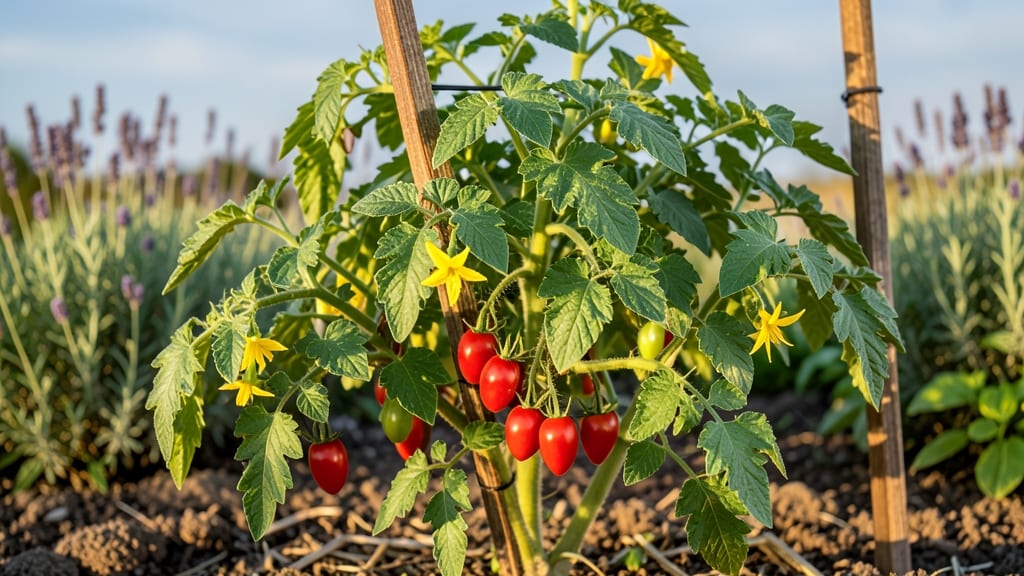
Those bold striped Piennolo cherry tomatoes taste like sunshine—sweet, tart, and impossible to stop picking once they ripen. 🌱 I grew mine last summer, and the vines kept producing for months, even after I thought they were done.
The secret? Their natural regrowth habit and a few simple care tricks that make all the difference.
You’ll need a sunny spot (at least 6-8 hours of light), well-draining soil rich in compost, and sturdy cages or trellises—the vines sprawl like they’re auditioning for a jungle gym.
Water consistently but avoid soggy soil, and pinch off early flowers to encourage stronger stems. The payoff? Clusters of heirloom-sized, striped cherries that burst with flavor and keep coming back.
Harvest starts in 70-80 days, but the real magic happens when you let a few tomatoes ripen on the vine—they get even sweeter. Prune regularly to improve airflow, and watch for common issues like cracking (keep water steady) or blight (remove infected leaves fast).
With these tips, you’ll end up with a vine that looks like a living centerpiece and a harvest that makes neighbors ask for cuttings.
Perfect for containers, raised beds, or in-ground gardens—just give them space to stretch. Whether you’re growing for fresh snacks or gifting baskets, Piennolos deliver bold flavor and endless productivity with minimal fuss. Ready to try?
📚 In This Guide
- What you need
- Instructions
- Tips and common mistakes
- Wrapping up and next steps
What you need
- ● Piennolo cherry tomato seeds – 5–10 seeds (or 1–2 starter plants from a nursery). Pro tip: 🌱 Start indoors 6–8 weeks before your last frost date for a head start!
- ● Containers or garden beds – 5-gallon pots or larger (if container-growing) with drainage holes, or a sunny garden spot with well-draining soil (pH 6.0–6.8).
- ● High-quality potting mix – 10–15 lbs (look for organic, peat-free blends enriched with compost).
- ○ Tomato cages or stakes – 5–6 ft tall (Piennolo vines can grow 6+ ft!). Optional: Use obelisks to save space!
- ● Balanced fertilizer – 5–10–10 or organic alternatives (like fish emulsion or compost tea). Pro tip: 💡 Fertilize lightly at planting, then every 2–3 weeks once fruiting starts!
- ● Mulch – 2–3 inches of straw or shredded leaves to retain moisture and suppress weeds.
- ● Hand trowel or small shovel – For planting and soil prep.
- ● Watering can or hose with a gentle spray nozzle – Keep soil consistently moist (but not soggy!).
- ● Pruning shears – To pinch suckers (side shoots) and encourage bushier growth.
- ○ Gloves – Optional but helpful for handling soil and plants.
- ● Sunlight access – 6–8+ hours of full sun daily (Piennolo tomatoes love heat!).
- ● Patience & love – These vines thrive with a little TLC! 🌿
- ● Grow lights – For indoor seed starting if natural light is limited.
- ● Drip irrigation system – Automates watering and keeps roots happy.
- ● Companion plants – Basil, marigolds, or nasturtiums to deter pests.
- ● Plant markers – To track your striped tomato varieties!
Step-by-Step instructions for cultivating Piennolo cherry tomatoes
Here's how I grow these striking striped beauties—vines that reward patience with years of fruit.
🌱 Step 1: Select and Prepare the Rootstock
Piennolo tomatoes are grafted onto vigorous rootstocks, so begin by inspecting your plants for any signs of damage or disease. Look for plump, white roots and green, healthy stems—these are your indicators of a strong start. If you're using bare-root plants, soak them in lukewarm water for 2-3 hours before planting to rehydrate the roots and reduce transplant shock.
Here's the thing—graft union placement matters. The graft should sit 1-2 inches above soil level after planting. If it's buried too deep, the plant may struggle to establish properly. I like to mark the ideal soil line with a pencil on the pot before transplanting to ensure I get it right.
☀️ Step 2: Choose the Perfect Planting Location
Piennolo tomatoes thrive in full sun (6-8 hours daily) and well-draining soil with a pH between 6.0-6.8. I always test my soil before planting—you can use a simple home test kit or send a sample to your local extension office. Amend the soil with compost or aged manure to improve fertility and drainage, especially if your native soil is heavy clay.
These vines grow aggressively, so give each plant 3-4 feet of space in all directions. If you're container growing, use pots that are at least 12-15 gallons in size—Piennolo's grafted nature means it needs room for both roots and foliage. Watch for yellowing leaves or stunted growth, which can signal poor drainage or nutrient deficiencies.
💧 Step 3: Plant and Establish the Vine
Dig a hole twice as wide as the root ball but only as deep as the container. Gently remove the plant from its pot and loosen any circling roots with your fingers. Place the plant in the hole, ensuring the graft union remains 1-2 inches above soil level. Backfill with native soil, pressing lightly to eliminate air pockets while avoiding compaction.
Water deeply right after planting to settle the soil and encourage root contact. I like to use a slow-release fertilizer at planting time to give the vines a nutrient boost as they establish. Mulch around the base with 2-3 inches of organic mulch to retain moisture and suppress weeds. The key here is consistency—keep the soil evenly moist but never soggy during the first 4-6 weeks.
✂️ Step 4: Train and Prune for Maximum Fruit
Piennolo tomatoes benefit from a staking or trellising system to support their heavy vines. I use 5-6 foot bamboo stakes or a sturdy tomato cage, tying the main stem loosely with soft plant ties every 12 inches. Prune suckers (the small shoots that form in the leaf axils) regularly to redirect energy to fruit production. Here's what I do: remove any sucker smaller than a pencil—if it's bigger, it's already competing with your main stem.
Watch for first flower clusters and remove them if they appear before the plant has established a strong root system. You want the vine to focus on leaf and stem growth first. Once the plant is well-rooted (usually after 6-8 weeks), let it flower and fruit freely. The striped pattern of Piennolo tomatoes develops best when the plant is stressed slightly—so don't over-fertilize with nitrogen once flowering begins.
🌿 Step 5: Maintain Through the Growing Season
Water at the base of the plant early in the morning to reduce disease risk. Aim for 1-1.5 inches of water per week, adjusting for rainfall. I always check soil moisture by sticking my finger 1-2 inches deep—if it feels dry, it's time to water. Avoid wetting the foliage, as this can promote fungal diseases like early blight, which Piennolo's grafted nature makes particularly vulnerable to.
Harvest begins when the fruits reach their mature size and develop their signature bold stripes. Pick regularly to encourage more production—ripe Piennolo tomatoes are bright red with green stripes and burst with sweet-tart flavor. If you're in a warm climate, these vines can produce fruit for 6-8 months if properly cared for. Here's my pro tip: save a few ripe tomatoes to dry or ferment—they make incredible sauces and preserves that highlight their unique flavor profile.
Tips & tricks for growing stunning Piennolo cherry tomatoes
Grafted tomatoes like Piennolo demand special attention—here's how to turn their potential into a flourishing harvest.
Root Rehydration: The 2-3 hour soak for bare-root plants isn't just about hydration—it's about reviving cellular activity. I've learned that lukewarm water (around 70°F) works best because it mimics natural soil temperatures. Cold water can shock the roots, while hot water risks damaging delicate cells. After soaking, gently squeeze excess water from the roots before planting to prevent waterlogging.
Graft Union Visibility: That 1-2 inch graft union above soil level isn't arbitrary—it's the plant's lifeline. I've seen vines struggle when buried too deep because the grafted connection can't access oxygen properly. Here's my trick: use a small piece of white chalk to mark the ideal soil line on your pot before transplanting. This visual cue ensures you position the graft correctly every time.
Sunlight Strategy: The 6-8 hours of daily sunlight requirement is non-negotiable, but quality matters more than quantity. I've noticed that morning sun (when UV levels are lower) helps prevent sunburn on the striped fruit. If your plants show signs of stress—like yellowing between veins—consider providing afternoon shade during peak summer heat. This simple adjustment can mean the difference between vibrant stripes and faded fruit.
Pruning Precision: When removing suckers smaller than a pencil in Step 4, you're not just tidying up—you're directing the plant's energy. I've found that using clean, sharp pruning shears (disinfected with rubbing alcohol) prevents disease transmission. The key is to prune at a 45-degree angle just above a leaf node, which encourages faster healing and maintains the vine's structural integrity.
Pro Tips for Piennolo Cherry Tomatoes
- Grafted tomatoes like Piennolo demand special attention—here's how to turn their potential into a flourishing harvest.
- Root Rehydration: The 2-3 hour soak for bare-root plants isn't just about hydration—it's about reviving cellular activity.
- Graft Union Visibility: That 1-2 inch graft union above soil level isn't arbitrary—it's the plant's lifeline.
Frequently asked questions
How long does it take for Piennolo cherry tomatoes to start producing fruit?
Patience pays off! After transplanting seedlings, expect the first flowers to appear in 50–60 days, with fruit ready to harvest 60–70 days later. The striped vines thrive in warm climates, so if you’re in a cooler zone, extend the season with row covers or start indoors early. Pro tip: Prune suckers early to redirect energy to fruit production!
Can Piennolo tomatoes regrow after cutting? (Like the article claims!)
This heirloom variety is a perennial in warm climates (Zones 9–11) and can regrow from the base if cut back to the ground after harvest. In colder regions, treat it as an annual but save seeds for next year. For a second flush, trim vines back by ⅔ after the first harvest—new growth will sprout in 2–4 weeks!
What’s the best way to store Piennolo cherry tomatoes to keep them fresh?
These tomatoes are not storage champions, but you can extend their life with care. Store them unwashed, stem-side down in a single layer at room temp for 3–5 days. For longer storage (1–2 weeks), refrigerate—but they’ll soften faster. Freezing tip: Blanch whole tomatoes for 30 seconds first to preserve texture!
Are Piennolo tomatoes disease-resistant? What pests should I watch for?
While Piennolos aren’t officially disease-resistant, their thick skins deter some issues like cracking. Still, keep an eye out for early blight (brown spots on leaves) and hornworms (voracious caterpillars!). Prevent problems with crop rotation, mulch, and neem oil sprays. Companion plants like basil or marigolds can also help repel pests naturally.
What’s the best way to use Piennolo tomatoes in cooking?
These sweet, tangy tomatoes shine in dishes where their flavor is the star! Try them raw in caprese skewers, roasted with olive oil and garlic, or blanched for bruschetta. Their thick skins hold up well in sauces—blend them with basil and balsamic for a bold pasta sauce. Bonus: Their stripes make them perfect for garnishing gourmet dishes!
If I miss the transplant window, can I still grow Piennolos from seed?
Yes! Start seeds 6–8 weeks before your last frost date indoors under grow lights. Harden them off for 1–2 weeks before transplanting. If you’re really late, opt for a container garden—Piennolos thrive in pots and can be moved indoors before frost. Just ensure they get 6–8 hours of sunlight daily!
Wrapping up and next steps
Growing Piennolo cherry tomatoes isn’t just about adding vibrant stripes to your garden—it’s about embracing a rewarding, low-maintenance experience with a tomato variety that keeps giving!
Whether you’re a seasoned gardener or a curious beginner, these bold, striped beauties thrive with minimal fuss, offering sweet, juicy fruit and the joy of regrowth year after year. 🌱
Now that you’re armed with the right tips, roll up your sleeves and give Piennolo a try! Start small—plant a few seeds or seedlings—and watch your garden transform into a flavorful, striped paradise.
Before you know it, you’ll be sharing your harvest with friends (or sneaking extra bites for yourself!). Happy growing! 🍅✨