
Vegetables
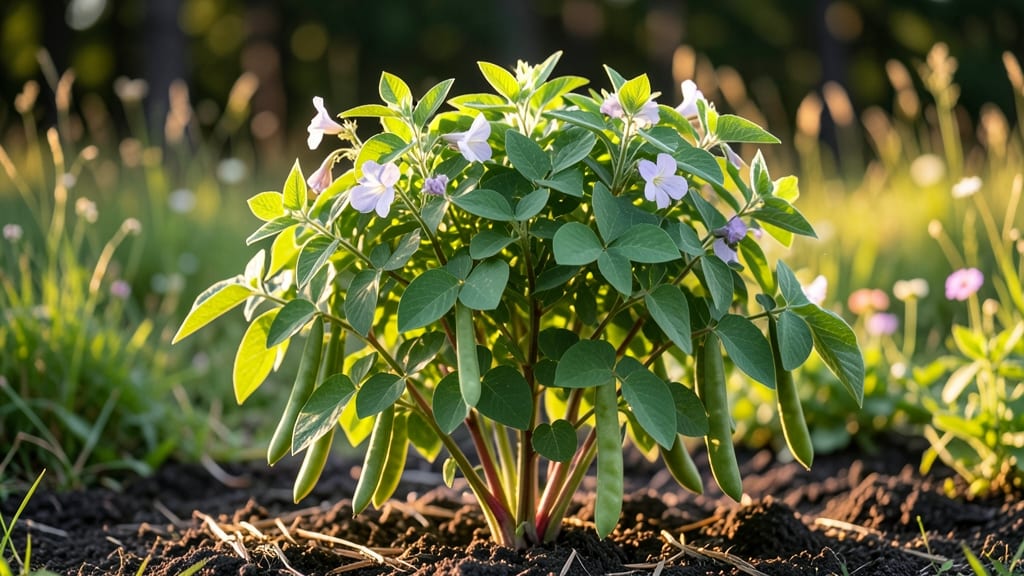
Growing Double Luck green beans from scraps in water is the easiest way to get bold, striped harvests without a garden. 🌱 I’ve grown these beans in just a gallon jug on my balcony, and they produce more than I expected—crisp, flavorful pods that taste sweeter than store-bought.
The secret? These beans thrive in minimal space and don’t need soil, making them perfect for beginners or small apartments.
The key to success is starting with a scrap of the bean itself—just a 2-inch piece with an eye. Place it in water, keep it near a sunny window, and watch roots sprout in days.
Unlike traditional beans, Double Luck stays compact, so you won’t need deep containers. Just refresh the water every few days, and you’ll have fresh beans in as little as 3-4 weeks.
What makes these beans special is their disease resistance and high yield—even in small spaces. They’re also striped, adding a fun visual twist to your harvest. The flavor is crisp and fresh, perfect for snacking or cooking. Plus, they’re foolproof for beginners who’ve struggled with other varieties.
Once you’ve mastered the water method, you can try planting them in soil for even bigger harvests. But honestly, the simplicity of growing them in water is what keeps me coming back. Here’s how to get started with your own scraps!
📚 In This Guide
- What you need
- Instructions
- Tips and common mistakes
- Wrapping up and next steps
What you need
- ● Green bean scraps: 2–3 fresh, organic green beans (preferably double luck or long podded varieties) with at least 1–2 inches of stem attached.
- ● Water: 1–2 cups (for soaking and growing). Use filtered or rainwater if possible.
- ○ Container: A small glass, jar, or clear cup (8–12 oz) with a lid (optional but helpful for humidity).
- ● Paper towels or damp cloth: 2–3 sheets to keep the scraps moist.
- ● Sunlight: A sunny windowsill (6+ hours of indirect light daily) or a grow light.
- ● Grow light: LED or fluorescent (if natural light is limited).
- ● Spray bottle: For gentle misting to maintain moisture.
- ● Small pot or soil: For transplanting roots once they’re 2–3 inches long.
- ● Fertilizer (diluted): Seaweed extract or compost tea (once leaves appear).
Step-by-step instructions for growing Double Luck green beans in water
Here's how to coax bold, striped beans from scraps without soil—just water, patience, and a sunny spot.
🌱 Step 1: Select and Prepare Your Bean Scraps
Save the bottom 2 inches of your Double Luck green bean stems, where roots naturally form. Rinse off any soil and trim off the top leaves, leaving just the stem and a few small leaf buds. I always use a clean, sharp knife to make a straight cut—this prevents jagged edges that can rot.
Place the scrap in a glass jar filled with 2-3 inches of fresh water, making sure the cut end is submerged. Change the water every 2-3 days to prevent bacterial growth. You'll see tiny white roots emerging from the base within 5-7 days—that's your first sign of success.
💧 Step 2: Provide Consistent Light and Water
Place your jar in a location with bright, indirect sunlight—a south-facing window works best. Avoid harsh direct sun, which can overheat the water and stress the regrowing plant. You'll notice the leaves perk up and grow toward the light within a few days.
Keep the water level just covering the roots, adding more as needed. I like to use filtered or room-temperature water—cold water shocks the roots, while tap water left sitting too long can develop chlorine. Watch for new leaf growth at the top; this means your scrap is thriving.
☀️ Step 3: Transition to Soil for Full Growth
Once your scrap has 1-2 inches of new roots and 2-3 new leaves, it's ready to move to soil. Fill a small pot with potting mix and plant the scrap 1 inch deep, burying the roots but leaving the top leaves exposed. Gently firm the soil around the stem to hold it upright.
Water lightly to settle the soil, then place the pot in full sun (6+ hours daily). You'll see the plant establish itself within a week—look for sturdy stems and deeper green leaves. This is when it's ready to support new bean growth.
✂️ Step 4: Harvest and Encourage Continuous Growth
When your regrown plant produces 3-4 inches of new growth, it's ready for its first harvest. Snip the top leaves just above a set of leaves, leaving the main stem intact. This encourages bushier growth and more frequent harvests. I always harvest in the morning when beans are crispest.
Continue fertilizing lightly every 2 weeks with a balanced liquid fertilizer to support new growth. With proper care, your regrown Double Luck plant can produce multiple harvests over several months—proof that scraps can yield bold, striped rewards.
Tips & tricks for growing bold striped green beans from scraps
Here's what nobody tells you about turning scraps into thriving plants—these little tricks make all the difference.
Scrap Selection Matters: The key to success starts with choosing the right scraps. Look for stems that are still firm and have at least 2 inches of length remaining. Avoid scraps with yellowing leaves or soft spots, as these won't regrow well. I've found that the bottom 2 inches with visible leaf buds work best—they contain the most growth potential. Confession: I skipped this step for years and wondered why some scraps never rooted!
Lighting is Everything: Bright, indirect sunlight is non-negotiable for healthy regrowth. If you don't have a south-facing window, consider using a grow light for 6-8 hours daily—just don't place it too close, or the leaves will scorch. I noticed my plants thrived best when positioned about 12 inches from the light source. Watch for leaves growing toward the light; this is your plant telling you it's happy and getting exactly what it needs.
Water Quality and Timing: Tap water left sitting too long can develop chlorine, which stresses your regrowing plant. For best results, use filtered or room-temperature water. Changing the water every 2-3 days prevents bacterial growth and keeps roots healthy. I've learned that consistency is key—never let the water level drop below covering the roots, but don't overfill the jar either. The sweet spot is just enough to keep the roots submerged without drowning them.
Soil Transition Secret: When moving your scrap to soil, bury it 1 inch deep—this depth provides stability while allowing the roots to spread naturally. I've found that gently firming the soil around the stem helps hold it upright during the critical first week. After transplanting, keep the soil lightly moist but not soggy—this prevents root rot while encouraging new growth. The plant's readiness to move to soil is clear when you see 1-2 inches of new roots and 2-3 new leaves.
Pro Tips for Double Luck Green Beans
- Here's what nobody tells you about turning scraps into thriving plants—these little tricks make all the difference.
- Scrap Selection Matters: The key to success starts with choosing the right scraps.
- Lighting is Everything: Bright, indirect sunlight is non-negotiable for healthy regrowth.
Frequently asked questions
How long does it take for Double Luck green beans to mature?
Double Luck beans typically reach harvest in 50–60 days from planting, depending on climate. Check pods for firmness and vibrant stripes—if they’re 4–6 inches long, it’s time! Pro tip: Plant in warm soil (60°F+) for faster growth.
Can I grow Double Luck beans in containers?
These beans thrive in 5-gallon pots or deeper containers with drainage. Use a well-draining mix and trellis them vertically to save space. Just ensure pots get 6+ hours of sun daily—they’re sun-worshippers!
Why are my Double Luck bean leaves turning yellow?
Yellow leaves often signal overwatering or nutrient deficiency. Let soil dry slightly between waterings, and feed with balanced fertilizer (like 10-10-10) every 3–4 weeks. Check: Wilting + yellow = thirsty plants; crispy edges = too much sun.
Are Double Luck beans as tasty as regular green beans?
Yes—and even better! Their sweet, crisp texture and striking stripes make them a showstopper. Harvest young for buttery flavor or let mature for meaty, dry beans (like snap peas). Pair with: garlic butter, lemon zest, or grilled meats!
Can I save seeds from Double Luck beans?
You can try! Let a few pods fully mature and dry on the vine (they’ll turn brown). Split open, scoop out seeds, and store in a cool, dry place. Note: Seed viability may drop—buy fresh seeds for boldest stripes next season!
What’s a good alternative if Double Luck beans fail?
Try ‘Dragon Tongue’ (purple-striped) or ‘Blue Lake’ (classic green) beans. Both are disease-resistant and thrive in similar conditions. Swap tip: Interplant with radishes to deter pests!
Wrapping up and next steps
Growing double luck green beans from scraps in just water is a rewarding and sustainable way to bring fresh, vibrant produce to your table! With minimal effort and patience, you can enjoy bold, striped harvests that prove even the simplest gardening methods can yield big results. 🌱
Ready to take the next step? Start with your kitchen scraps today—plant a few stems, and watch your green thumb grow! Share your progress with fellow gardeners or experiment with other easy-to-grow veggies. Happy growing! 🌟