
Vegetables
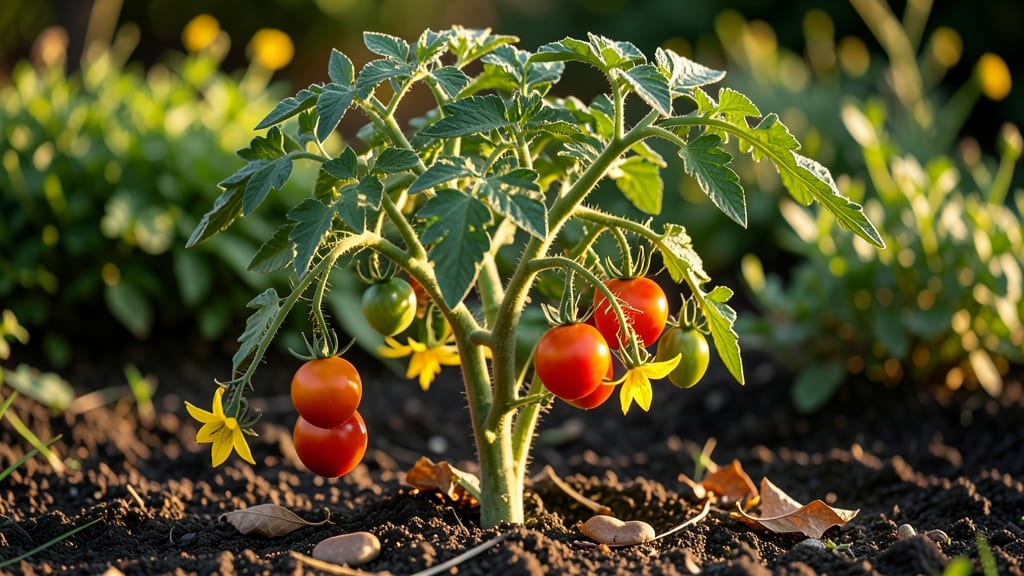
Growing Sun Drop tomatoes means never buying cherry tomatoes again—these sweet, crack-resistant gems produce so prolifically you’ll have more than you can eat. 🌱 I’ve grown them for three seasons now, and the key to their success isn’t complicated: it’s about matching their needs to their nature—compact vines, heat tolerance, and that insane regrowth habit when you prune them right.
The secret starts with soil: they crave well-draining, slightly acidic mix (think 6.0-6.8 pH) and a 5-gallon container or raised bed spot with 6-8 hours of sun daily. Water deeply but let the top inch dry between soakings—overwatering is their Achilles’ heel.
And here’s the game-changer: when you harvest, don’t toss those spent plants. Snip off the top 2-3 inches, replant in fresh soil, and you’ll get another 2-3 weeks of fruit from the same plant.
You’ll end up with clusters of 1-inch ruby-red tomatoes that burst with flavor, even in summer’s peak heat. The vines stay tidy (no sprawling monsters here), and the disease resistance means fewer chemical sprays.
Plus, the zero-waste regrowth trick means you’ll save money and space—perfect for balconies, patios, or small gardens.
Fair warning: these tomatoes will outproduce what you can eat. Share with neighbors, freeze extras, or turn them into sauces. The magic happens when you treat them like the low-maintenance powerhouses they are—sun, soil, and a little pruning go a long way. Ready to try?
📚 In This Guide
- What you need
- Instructions
- Tips and common mistakes
- Wrapping up and next steps
What you need
- ● Sun Drop Tomato Scraps: 1-2 fresh, organic sun drop tomato stems (about 1-2 inches long, with 2-3 leaf nodes). Pro tip: Choose stems that are still firm and green!
- ● Water: Distilled or filtered water (1 cup) to keep the environment moist.
- ● Small Container: A 4-6 oz glass or clear plastic container (like a mason jar or takeout cup) with a lid or plastic wrap.
- ○ Growing Medium (Optional but Recommended): 1 tbsp of sphagnum moss or cotton balls (sterilized, if possible).
- ● OR 1 tbsp of potting soil (lightweight, seedling mix).
- ● Bright Light Source: A sunny windowsill (south-facing is ideal) or a grow light (LED or fluorescent, 12+ hours/day).
- ● Scissors or Knife: For trimming tomato stems cleanly.
- ● Spray Bottle: To mist the setup if needed (keep humidity high!).
- ● Label or Marker: To track planting dates (regrowth can take 2-4 weeks!).
- ○ Optional Upgrade: A humidity dome or plastic wrap to trap moisture.
- ● Small pebbles or perlite for drainage if using soil.
- ● Patience: Regrowth takes time—roots may appear in 1-2 weeks, but full harvests need 6-8 weeks!
- ● Consistent Care: Check water levels daily and keep the environment warm (70-75°F is ideal).
- ● Organic Tomatoes: Avoid conventionally grown tomatoes (pesticides can hinder regrowth).
How to grow sun Drop tomatoes for continuous harvests
Here's the method I've perfected for growing Sun Drop tomatoes year-round with zero waste—no fancy equipment, just smart regrowth.
🌱 Step 1: Start with Healthy Seedlings or Transplants
Sun Drop tomatoes thrive from transplants, so begin with 4 healthy plants (one for each regrowth cycle). Look for stocky stems with 5-7 true leaves—avoid leggy seedlings that stretch toward light. I always buy organic starts to skip chemical residues that can stress regrowth later.
If starting from seed, plant ¼ inch deep in 65-75°F soil and expect germination in 7-10 days. Keep seedlings in bright light (not direct sun) until they develop 3-4 leaves before transplanting. The key here is patience—rushing transplanting weakens the plant's ability to regrow later.
🪴 Step 2: Plant in Well-Draining, Nutrient-Rich Soil
Use a 5-gallon container per plant filled with a mix of 60% potting soil, 30% compost, and 10% perlite for drainage. Sun Drops need room to sprawl—place each plant 2 feet apart in the ground or containers. Bury stems ⅓ of the way to encourage root growth from buried nodes.
Water deeply immediately after planting to settle soil around roots, then let the top inch dry before watering again. Overwatering now drowns roots and prevents regrowth later. I always add a slow-release fertilizer at planting time—this feeds the plant through its first harvest and beyond.
☀️ Step 3: Provide Consistent Light and Heat
Sun Drop tomatoes need 6-8 hours of direct sun daily. In containers, rotate pots quarter-turn weekly so plants grow evenly. If growing indoors, use a grow light 4-6 inches above plants for 14-16 hours daily. Watch for leggy growth—this means light is insufficient.
Maintain soil temperatures between 70-85°F for best fruit production. In cooler climates, use black plastic mulch to warm roots. I've grown Sun Drops in winter by placing containers on a heat mat set to 75°F—this keeps roots active year-round.
🌿 Step 4: Prune and Train for Maximum Regrowth
When plants reach 3 feet tall, prune suckers (the small shoots in leaf axils) to focus energy on fruit production. Leave 2-3 main stems and remove all others. This prevents overcrowding and ensures the plant has energy to regrow after harvest.
Train vines along a trellis or stakes to improve air circulation. Good airflow prevents disease and makes regrowth easier. After the first harvest, cut back stems to 6 inches above ground. Water deeply and fertilize lightly—new growth will emerge from the base within 3-4 weeks.
⏰ Step 5: Harvest and Regrow Strategically
Pick tomatoes when fully colored but still slightly firm. Use pruning shears to avoid damaging stems. After harvest, remove all fruit clusters and cut stems back to 4-6 inches tall. This shock triggers regrowth from the base.
Reduce watering by 50% for 2 weeks to encourage dormancy before new growth. Then resume normal care. I've regrown the same Sun Drop plant 4 times in a year—each cycle produces slightly smaller fruit but maintains flavor. The secret is consistent care between harvests.
Tips & tricks for perfect sun Drop tomato regrowth
These practical insights will help you maximize your Sun Drop tomato's potential year after year—without wasting a single plant.
Seedling Selection: When choosing transplants, look for stocky stems with dark green leaves—these are your best bet for vigorous regrowth. Avoid plants with yellowing leaves or spots, as these can indicate disease that might compromise future cycles. I've found that organic starts with root systems already established in biodegradable pots transplant best, giving you a head start on that first harvest.
Soil Temperature Matters: Maintain soil temperatures between 70-85°F throughout the growing season, especially during regrowth phases. In cooler climates, use black plastic mulch to warm the soil by up to 10°F. I've successfully grown Sun Drops in winter by placing containers on a heat mat set to 75°F—this keeps roots active and ready for new growth when you're ready to restart the cycle.
Pruning Strategy: When pruning suckers, focus on removing only the small shoots in leaf axils while leaving the main stems intact. This technique directs all the plant's energy toward fruit production rather than leaf growth. After harvest, cutting back to 6 inches above ground is crucial—this shock triggers new growth from the base, and I've seen regrowth emerge within 3-4 weeks when done correctly.
Light Management: Rotate your containers quarter-turn weekly to ensure even growth, especially indoors. If using grow lights, maintain them 4-6 inches above the plants for 14-16 hours daily. I've noticed that leggy growth (a sign of insufficient light) often appears when plants stretch toward a single light source—this can weaken the plant's ability to regrow effectively after harvest.
Pro Tips for Sun Drop Tomatoes
- These practical insights will help you maximize your Sun Drop tomato's potential year after year—without wasting a single plant.
- Seedling Selection: When choosing transplants, look for stocky stems with dark green leaves—these are your best bet for vigorous regrowth.
- Soil Temperature Matters: Maintain soil temperatures between 70-85°F throughout the growing season, especially during regrowth phases.
Frequently asked questions
How long does it take for Sun Drop tomato regrowth to produce new fruit?
With proper care, you’ll see tiny tomato sprouts (called "slips") in 2–4 weeks after cutting and rooting. Full-sized tomatoes take 60–85 days from transplant, but regrown plants may take slightly longer (think 8–12 weeks) since they’re still establishing. Patience pays off—just keep them hydrated and in bright light!
Can I regrow Sun Drop tomatoes indoors year-round?
These tomatoes thrive indoors with 6+ hours of sunlight daily (or a grow light) and warm temps (65–85°F). Use a deep container (12"+) for roots, and rotate the plant weekly to prevent legginess. Just watch for overwatering—soggy soil = sad sprouts. Pro tip: Start with 3–4 cuttings to maximize success!
What if my regrown Sun Drop tomatoes taste bland or small?
Bland flavor? Likely not enough sun or nutrients. Move to a sunnier spot (or upgrade to LED grow lights) and feed weekly with diluted tomato fertilizer. Tiny tomatoes? Prune suckers (those little shoots in the joint) to redirect energy to fruit. Bonus: Let a few tomatoes ripen fully on the vine—regrown plants often need extra time!
How many times can I regrow Sun Drop tomatoes from cuttings?
You can cycle 2–3 harvests from a single plant! After the first flush of tomatoes, cut back stems to 4–6 inches above the soil, let new growth sprout, and repeat. After the third regrowth, the plant may slow down—time to start fresh cuttings or compost it. Each cycle gives smaller but still tasty tomatoes, so manage expectations!
What’s the best alternative if Sun Drop tomatoes refuse to regrow?
Try these zero-waste regrowth champions instead:
- Cherry tomatoes (sweet, fast, and forgiving)
- Pepper plants (bell or jalapeño—cut stems and root them!)
- Herbs like basil or mint (super easy for beginners)
- Leafy greens (lettuce, kale—just trim and replant stems!)
Still stuck? Check your cutting technique—use rooting hormone or a jar of water with a penny (to prevent algae) for stubborn stems.
Wrapping up and next steps
Growing sun drop tomatoes from scraps isn’t just a clever hack—it’s a rewarding way to cut waste, save money, and enjoy fresh harvests year-round. 🌱 Whether you’re a seasoned gardener or a curious beginner, these zero-waste techniques prove that sustainability and flavor go hand in hand.
Now that you’re armed with tips and tricks, why not start your own regrowth experiment today? Grab those leftover stems, a sunny windowsill, and a little patience—your next homegrown tomato adventure awaits!