
Vegetables
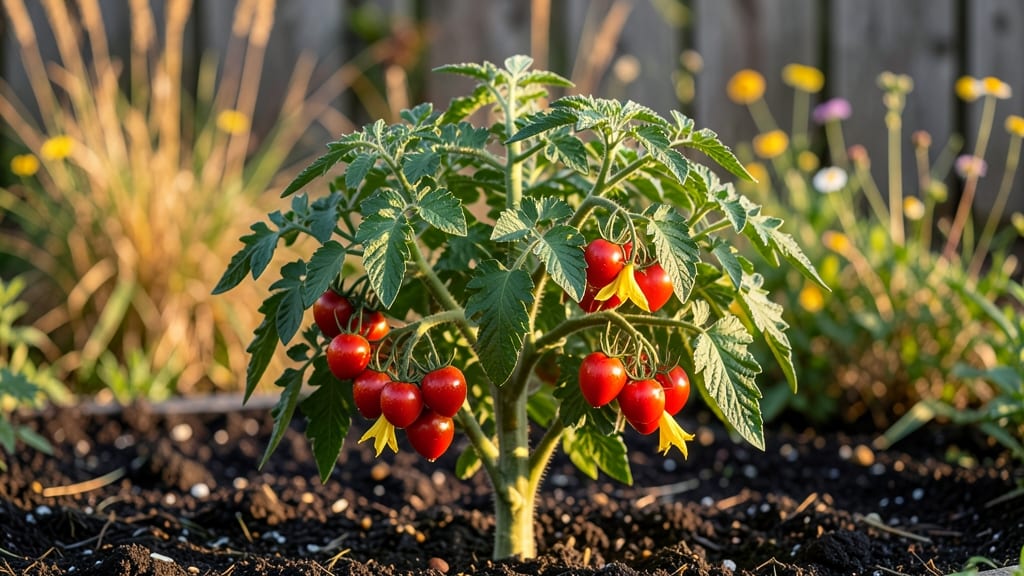
Growing pineapple cherry tomatoes means sweet-tart bursts of flavor in a compact plant that keeps producing all season—no replanting needed. 🌱 I fell for this variety after my first harvest: the tiny, golden-orange fruits taste like sunshine, and the plants regrow from the base if you prune them right.
No wonder gardeners swear by them for containers or small spaces.
The secret to their success starts with well-draining soil and a sunny spot (at least 6-8 hours of light daily). They’re not fussy about containers—just make sure the pot’s 12-18 inches deep to support their vines.
Water consistently but avoid soggy soil (they hate wet feet), and pinch off early flowers to encourage bushier growth. The payoff? A plant that keeps fruiting until frost.
Harvest when fruits turn golden-orange and plump—every few days keeps production going. The flavor? A perfect balance of sweet and tangy, like a tropical twist on classic cherry tomatoes.
Plus, they’re disease-resistant, so you’ll spend less time spraying and more time eating. Even my black thumb can’t kill these.
Troubleshooting is easy: blossom end rot? Boost calcium with crushed eggshells. Pests? Aphids hate neem oil. And if your plant looks tired by midseason, a light pruning and fertilizer boost will revive it. These tomatoes are the ultimate low-maintenance superstars for small gardens or balconies.
📚 In This Guide
- What you need
- Instructions
- Tips and common mistakes
- Wrapping up and next steps
What you need
- ● Seeds or seedlings: 3–5 pineapple cherry tomato seeds (or 1–2 seedlings) – look for heirloom or hybrid varieties like 'Tiny Tim' or 'Sweet 100'.
- ○ Growing containers (optional but handy): 5-gallon pots (1 per plant) or
- ● Raised bed (at least 12" deep, 18" spacing between plants).
- ● Potting mix: 10–15 lbs of high-quality seed starting mix (sterile, well-draining) or garden soil amended with compost.
- ● Fertilizer: Balanced, organic fertilizer (e.g., 5-5-5 or 10-10-10) or
- ● Composted manure (well-aged).
- ● Support structures: Small stakes (6–12" tall) or tomato cages (4–6" diameter).
- ● Watering can or hose with gentle nozzle.
- ● Pruning shears (sterilized).
- ● Mulch (straw or shredded leaves) to retain moisture.
- ● Drip irrigation kit for consistent watering.
- ● Plant markers (to track varieties).
- ● Row covers (for early-season frost protection).
- ● Epsom salt (1 tbsp per plant monthly for magnesium boost).
Step-by-step instructions for cultivating pineapple cherry tomatoes
Here’s how to grow this uniquely sweet, tart variety that keeps producing—year after year if you know the trick.
🌱 Step 1: Start Seeds Indoors for Early Production
Pineapple cherry tomatoes thrive with a head start. Plant seeds 6-8 weeks before your last frost date in 2-3 inch deep biodegradable pots filled with sterile seed-starting mix. Press each seed ¼ inch deep—any deeper slows germination. I use a heat mat to keep soil at 75-85°F; without one, germination may take 10-14 days instead of 5-7 days.
Cover the tray with plastic wrap to trap moisture, then place under a grow light (or in a sunny window) for 14-16 hours daily. Watch for the first true leaves—those are the second set after the initial cotyledons. Once they appear, remove the plastic wrap immediately to prevent fungal issues.
☀️ Step 2: Transplant After Hardening Off
Two weeks before your last frost, begin hardening off seedlings by moving them outside for 1-2 hours daily in partial shade. Gradually increase exposure over 7-10 days, ending with full sun. Plant outdoors after all frost risk has passed, spacing them 18-24 inches apart in well-draining soil with a pH of 6.0-6.8.
Dig a hole twice as wide as the root ball but only as deep as the pot’s base. Gently remove the seedling, place it in the hole, and firm soil around the roots. Water deeply to settle the soil—this prevents air pockets that stunt root growth. Mulch with 2-3 inches of straw to retain moisture and suppress weeds.
💧 Step 3: Support and Prune for Maximum Fruit
Pineapple cherry tomatoes need support to prevent sprawling. Install 6-foot cages or stakes at planting time and gently weave vines through as they grow. Prune suckers (the small shoots in the leaf axils) weekly to direct energy into fruit production. I leave 1-2 main stems and remove everything else—this ensures larger, sweeter cherries.
Water at the base 1-2 inches deep weekly, letting the top inch of soil dry between waterings. Overhead watering spreads disease, so use a drip system or water early in the day. Fertilize with a balanced 10-10-10 formula every 3-4 weeks once flowers appear, but reduce nitrogen after fruiting begins.
✂️ Step 4: Harvest and Save Seeds for Regrowth
Harvest cherries when they’re fully colored and slightly soft to the touch—usually 50-60 days after transplanting. Pinch off clusters with your fingers to avoid damaging stems. For the regrowth trick, save seeds from the best-tasting fruits: slice open a ripe cherry, scoop out the seeds and gel, and ferment them in a jar for 3-5 days to break down the fruit coating.
Rinse the seeds thoroughly, then dry them on a paper towel for 2-3 days until brittle. Store in an envelope in a cool, dark place. Next season, plant these seeds—they’ll grow into identical pineapple cherry tomatoes, preserving that sweet-tart flavor you love.
🌿 Step 5: Extend the Season with Winter Care
In colder climates, cut back vines after the first frost and mulch heavily. Pineapple cherry tomatoes are perennial in zones 9-11, so they’ll regrow from the roots if protected. In cooler areas, dig up the entire plant, pot it, and overwinter indoors near a sunny window. Prune back by half to reduce stress, then resume care in spring.
Real talk: This variety’s unique flavor comes from its balance of sweetness and acidity. To enhance it, reduce late-season nitrogen—too much dilutes the tartness. And here’s the thing—if you let a few cherries overripe on the vine, they’ll burst with even more complex flavors. Just don’t forget to harvest the rest!
Tips & tricks for cultivating pineapple cherry tomatoes
These game-changing insights will help you grow the sweetest, most productive pineapple cherry tomato plants—and keep them coming back year after year.
Seed Starting Strategy: The 6-8 week indoor start time is non-negotiable for this variety, but here's the real secret: use a seedling heat mat to maintain that 75-85°F soil temperature range. Without one, germination can drag out to 10-14 days instead of the ideal 5-7 days. I've seen seedlings emerge in just 3 days with consistent warmth—it's worth the investment for impatient gardeners! The plastic wrap trick works wonders for moisture retention, but remember to remove it immediately after those first true leaves appear to prevent fungal issues.
Hardening Off Hack: I learned this the hard way after losing seedlings to sudden temperature swings. Start with just 1-2 hours of partial shade exposure, then gradually increase over 7-10 days. The key is to mimic natural conditions—if you move them too quickly to full sun, you'll shock the delicate plants. Pro tip: use a small shade cloth or place them under a tree for that gradual transition. This patience pays off when transplanting time comes.
Pruning Precision: Those weekly sucker removals might seem tedious, but they're what create the larger, sweeter cherries this variety is known for. I focus on keeping just 1-2 main stems—any more and you'll dilute the plant's energy. Here's what nobody tells you: the first few suckers that appear are actually the strongest growth points. Remove these early, and you'll encourage better fruit development on the remaining stems. Think of it as redirecting the plant's energy from vertical growth to horizontal fruit production.
Season Extension Secret: In cooler climates, don't let that first frost signal the end of your harvest. The winter care instructions work, but here's the extra trick: if you're overwintering indoors, place your potted plant near a south-facing window where it gets 6-8 hours of direct sunlight daily. You'll be amazed at how many more cherries you can coax from the plant before it needs its winter rest. Just remember to prune back by half to reduce stress on the plant during this transition period.
Pro Tips for Pineapple Cherry Tomato
- These game-changing insights will help you grow the sweetest, most productive pineapple cherry tomato plants—and keep them coming back year after year.
- Seed Starting Strategy: The 6-8 week indoor start time is non-negotiable for this variety, but here's the real secret: use a seedling heat mat to maintain that 75-85°F soil temperature range.
- Hardening Off Hack: I learned this the hard way after losing seedlings to sudden temperature swings.
Frequently asked questions
Got questions about growing pineapple cherry tomatoes? You’re not alone! Here are some of the most common queries—plus quick, practical answers to help you succeed with this sweet and tart variety.
Can pineapple cherry tomatoes really regrow from scraps?
Yes! After harvesting, save the top 1-2 inches of the stem (with 2-3 leaves) and let it dry for 24 hours. Plant it in moist soil—roots will sprout in 2-4 weeks. Just keep it warm (70°F+) and water consistently. It’s like magic, but with science!
How long does it take for pineapple cherry tomatoes to fruit?
Patience is key! From seed, expect 70-85 days to first fruit. If starting with a regrown stem, fruiting may take 4-6 weeks longer (60-100 days total). Warmth (60°F+ nights) and full sun (6+ hours/day) speed things up. Pro tip: Use a grow light if your space is shady!
What’s the best temperature for growing pineapple cherry tomatoes?
These tomatoes thrive in 70-85°F daytime temps and 55-65°F nights. Below 50°F? Growth slows or stops. Above 90°F? Fruits may crack or taste bland. Hot climates? Provide afternoon shade and mulch to keep roots cool.
What can I do if my pineapple cherry tomatoes aren’t sweet?
Tartness or lack of sweetness often means underripe fruit or low sunlight. Harvest when fully colored (gold/yellow for pineapple varieties) and let them ripen indoors. Boost sweetness by pruning suckers (focus energy on fruit) and fertilizing with low-nitrogen tomato food.
Can I grow pineapple cherry tomatoes in containers?
Use a 5-gallon+ pot with drainage holes and a balanced potting mix. Dwarf varieties (like ‘Tiny Tim’) work best. Place containers in full sun and water when the top inch of soil is dry. Just watch for overcrowding—prune regularly to avoid disease.
Wrapping up and next steps
Growing your own pineapple cherry tomato is a rewarding adventure that brings vibrant flavors and endless possibilities to your garden—or even your kitchen windowsill! 🌱 These sweet-tart beauties thrive with minimal effort, regrow naturally, and pack a punch of nutrients.
Whether you're a seasoned gardener or just starting, this variety proves that growing delicious food can be both fun and sustainable.
Ready to take the next step? Start with a single plant and watch it multiply—then share the bounty with friends or experiment in the kitchen. The world of homegrown tomatoes is yours to explore!