
Vegetables
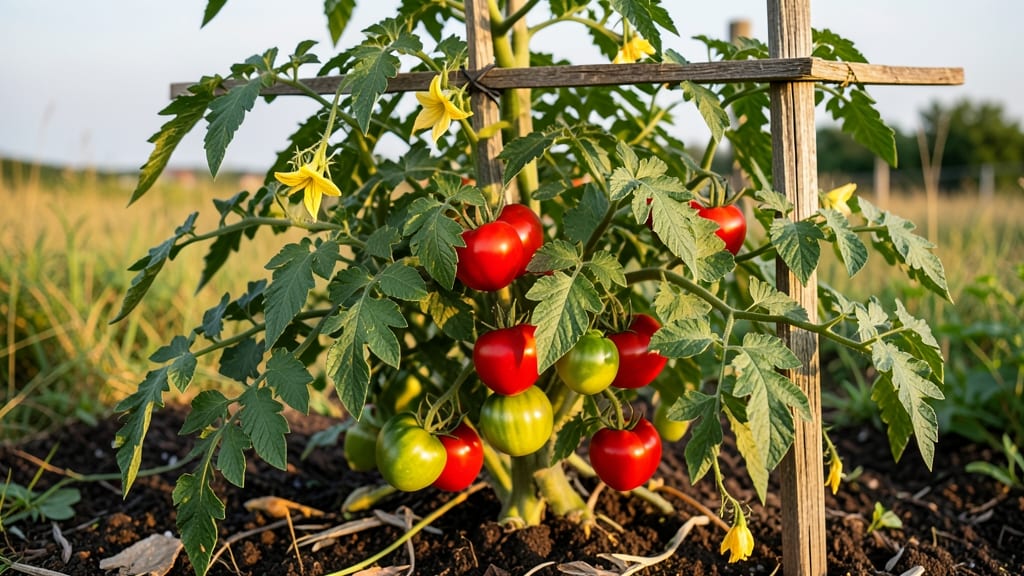
Growing Pantano Romanesco tomatoes means feasting on 3-pound heirlooms that taste like summer in Italy. 🌞 These beefsteak giants love the Mediterranean heat where they originated, but with the right conditions, they thrive in hotter climates too—producing fruit so large they need their own plate.
The secret lies in rich, well-draining soil and consistent moisture, but don’t overwater—these tomatoes hate soggy feet. I’ve grown them in containers and in-ground beds, and the key is spacing them 3-4 feet apart so those massive vines don’t crowd each other.
They reward patience with fruit that can weigh up to 4 pounds each. You’ll know they’re ready when the skin turns deep red and yields slightly to gentle pressure. The flavor? Sweet, meaty, and complex—perfect for slicing thick or roasting whole.
These aren’t just tomatoes; they’re a centerpiece for any garden. For those in cooler climates, start seeds indoors 6-8 weeks before your last frost and transplant after temperatures stay above 55°F. With the right care, you’ll have a harvest that makes neighbors green with envy.
📚 In This Guide
- What you need
- Instructions
- Tips and common mistakes
- Wrapping up and next steps
What you need
- ● Seeds or Seedlings: 3–5 Pantano Romanesco tomato seeds (or young plants if starting with transplants). Choose organic, heirloom seeds for the best flavor!
- ● Growing Medium: Well-draining potting mix (for containers) or loamy garden soil (amended with compost).
- ● Perlite or vermiculite (1 part per 3 parts soil) to improve aeration.
- ● Containers or Garden Space: For containers: 5-gallon pots or larger (at least 12–18 inches deep).
- ● For gardens: Full sun (6–8+ hours/day) with sturdy trellises or cages (6+ feet tall).
- ● Hand trowel or transplanting tool for planting.
- ● Garden gloves (to protect your hands from thorns and soil).
- ● Watering can or hose with a gentle spray nozzle (avoid wetting leaves).
- ● Pruning shears for trimming suckers and dead leaves.
- ● pH test kit (ideal soil pH: 6.0–6.8).
- ● Fertilizer: Balanced organic fertilizer (e.g., 5-5-5 or compost tea) at planting.
- ● Tomato-specific fertilizer (high in potassium) mid-season.
- ● Warmth: Pantano Romanesco thrives in heat (ideal temps: 70–90°F). Start seeds indoors 6–8 weeks before last frost or sow directly after soil warms.
- ● Sunlight: Full sun exposure is a must—these tomatoes love basking!
- ● Water Access: Consistent moisture (but no soggy soil). Drip irrigation or deep watering (1–2 inches per week) works best.
- ● Mulch (straw or shredded leaves) to retain moisture and suppress weeds.
- ● Copper tape or row covers to prevent early blight or pests.
- ● Fish emulsion or worm castings for extra nutrients.
- ● Grow lights if starting seeds indoors before spring.
Step-by-step instructions for growing Pantano Romanesco tomatoes
Here's how I grow this stunning heirloom variety—disease-resistant, heat-loving, and packed with flavor.
🌱 Step 1: Start Seeds Indoors 8-10 Weeks Before Last Frost
Pantano Romanesco thrives with a long growing season, so begin seeds indoors under grow lights or in a sunny window. Fill 2-3 inch deep seedling trays with sterile seed-starting mix—never garden soil, which can harbor diseases like early blight. I like to use biodegradable pots to avoid transplant shock later.
Plant 2-3 seeds per cell at a depth of ¼ inch, pressing gently but not compacting the soil. The seeds need darkness to germinate, so cover the tray with a clear plastic dome or wrap. Keep the soil consistently moist but not soggy—75-85°F is ideal for germination. You'll see sprouts in 7-14 days, though cooler rooms may take longer.
☀️ Step 2: Provide Strong Light and Fertilize Young Plants
The moment those first true leaves appear (not the initial seed leaves), move seedlings under 14-16 hours of bright light daily. A south-facing window works, but most homes lack sufficient intensity—supplement with a full-spectrum LED grow light kept 2-4 inches above the plants. Without enough light, seedlings stretch weakly, a sign they're desperate for photons.
When seedlings are 3-4 inches tall, fertilize with a balanced liquid fertilizer (like 10-10-10) diluted to half-strength. I feed mine every 7-10 days to encourage sturdy growth. Watch for deep green, glossy leaves—that’s your cue the plants are thriving. If leaves yellow between veins, they’re craving more iron or zinc.
🪴 Step 3: Harden Off and Transplant After Frost
Two weeks before your last frost date, begin hardening off seedlings by placing them outside in partial shade for 1-2 hours the first day. Gradually increase exposure over 10-14 days, ending with full sun. Pantano Romanesco handles heat beautifully but needs this slow transition to avoid sunburn on tender leaves.
Transplant after all danger of frost has passed, spacing plants 24-36 inches apart in well-draining soil. Bury stems deeper than the original pot—this encourages stronger root systems. Water deeply at transplanting to settle the soil and reduce shock. Mulch with 2-3 inches of straw to retain moisture and suppress weeds.
💧 Step 4: Water Deeply and Prune for Airflow
Pantano Romanesco tomatoes hate soggy roots but need consistent moisture—water deeply once or twice weekly, aiming for 1-2 inches of water per week. Use drip irrigation or soaker hoses to keep foliage dry, reducing fungal risks. You’ll know moisture is right when the top inch of soil feels dry to the touch.
Prune suckers (the shoots that grow in the leaf axils) weekly to improve airflow and fruit production. Remove any yellow or diseased leaves immediately—this variety is resistant but not immune to late blight in humid conditions. Stake or cage plants early to support their heavy, beefsteak-style fruit.
✂️ Step 5: Harvest at Peak Ripeness for Maximum Flavor
Pantano Romanesco tomatoes ripen from green to deep red, often with a slightly ribbed, heart-shaped profile. Harvest when fully colored and slightly soft to the touch—80-90 days after transplanting. Cut stems with pruners to avoid damaging the plant, leaving a ¼-inch stem attachment on the fruit.
Store harvested tomatoes at room temperature (never refrigerated) to preserve their sweet, smoky flavor. This variety keeps well for 5-7 days off the vine. Save seeds from your best fruits by fermenting them in water for 3-5 days, then drying on paper towels—you’ll have next year’s plants ready to go.
Tips & tricks for growing Pantano Romanesco tomatoes
These insider secrets will help you coax the most flavor and productivity from your heirloom tomatoes—without the common pitfalls that trip up gardeners.
Seed Starting Precision: The ¼-inch planting depth is critical—any deeper and seeds may rot from lack of oxygen, while shallower planting risks uneven germination. I use a toothpick to mark the exact depth on each cell before planting. For the 75-85°F germination range, a simple seedling heat mat (around $20) can make all the difference in cooler homes. The 14-16 hours of light isn't just about growth—it mimics summer solstice conditions and prevents that leggy, weak-stemmed "etiolation" syndrome that plagues indoor seedlings.
Lighting Strategy: That 2-4 inch distance from grow lights is non-negotiable—closer means scorched leaves, farther means weak plants. I adjust my LED lights weekly as seedlings grow, keeping them just above the tallest leaves. For the 14-16 hour light cycle, set a timer on your grow lights to automate the process. Natural south-facing windows provide about 6-8 hours of usable light, so supplementing with artificial light is essential for the full 14-16 hours, especially in cloudy climates.
Transplanting Technique: Burying stems deeper than the original pot creates a stronger root system by encouraging secondary roots to form along the buried stem. I make a small trench around each plant at transplanting to guide roots downward. The 24-36 inch spacing might seem generous, but these plants develop massive root systems and heavy fruit that require room to thrive. Mulching with straw isn't just about moisture—it also regulates soil temperature and prevents soil-borne diseases from splashing onto leaves.
Harvesting Insight: The 80-90 day window is your flavor goldmine, but don't wait until tomatoes are completely soft—they'll split and lose quality. I harvest when they're 75% colored and just beginning to soften, then finish ripening on my kitchen counter. That ¼-inch stem attachment preserves the tomato's natural sugars and prevents sunscald on the fruit. For seed saving, I ferment seeds in a jar with water for exactly 5 days, stirring daily—this removes gelatinous coating and prevents mold while preserving viability.
Pro Tips for Pantano Romanesco Tomato
- These insider secrets will help you coax the most flavor and productivity from your heirloom tomatoes—without the common pitfalls that trip up gardeners.
- Seed Starting Precision: The ¼-inch planting depth is critical—any deeper and seeds may rot from lack of oxygen, while shallower planting risks uneven germination.
- Lighting Strategy: That 2-4 inch distance from grow lights is non-negotiable—closer means scorched leaves, farther means weak plants.
Frequently asked questions
Got questions about growing Pantano Romanesco tomatoes? You’re not alone—this heirloom variety has unique needs and rewards! Below, we tackle the most common curiosities, from timing to troubleshooting, so you can cultivate success with confidence.
When is the best time to plant Pantano Romanesco tomatoes?
Start seeds indoors 8–10 weeks before your last frost date (typically February–March in most Mediterranean climates). Transplant seedlings outdoors after soil warms to 60°F (15°C) and nighttime temps stay above 50°F (10°C). These heat-lovers hate cold snaps—wait until danger of frost has passed!
How do I know if my Pantano Romanesco tomatoes are ripe?
Look for deep red color from top to bottom (no green shoulders!) and a slightly soft, yielding texture when gently squeezed. The flavor peaks when the fruit is fully colored but still firm—overripe tomatoes turn mushy and lose their signature sweet-tangy punch. Pro tip: Harvest in the morning for peak flavor!
Why are my Pantano Romanesco leaves turning yellow or spotted?
Yellowing leaves often signal overwatering, nutrient deficiencies (like nitrogen or magnesium), or fungal diseases (e.g., early blight). Check soil moisture—let the top 2 inches dry out between waterings. For spots, improve airflow, remove affected leaves, and apply copper fungicide if needed. Prevention is key!
Can I grow Pantano Romanesco in containers, or do they need a garden bed?
Yes! These vining tomatoes thrive in large containers (at least 5-gallon pots) with drainage holes. Use a lightweight potting mix and a sturdy trellis or cage to support their weight. Just ensure containers get 6+ hours of sun daily and water consistently—pots dry out faster than garden soil.
What’s the best way to store Pantano Romanesco tomatoes?
Store unripe tomatoes at room temperature (60–70°F / 15–21°C) in a paper bag to speed ripening. Once ripe, keep them out of the fridge (cold damages flavor and texture). For long-term storage, freeze peeled, chopped tomatoes in airtight containers or can them whole in water or oil.
Are there alternatives if I can’t find Pantano Romanesco seeds?
If this heirloom is hard to source, try similar heat-tolerant varieties like San Marzano, Amish Paste, or Roma tomatoes. While not identical, they share low acidity and meaty flesh, perfect for sauces and sun-dried tomatoes. For a closer match, seek out ‘Pantano Romano’ or ‘Pantano’ seed sellers—they’re worth the hunt!
Wrapping up and next steps
Growing Pantano Romanesco tomatoes is a rewarding journey that brings bold flavors and heirloom charm to your garden—especially in Mediterranean climates! 🌿 With the right soil, sunlight, and care, these beauties thrive and deliver unmatched taste.
Whether you're a seasoned gardener or a curious beginner, your effort will pay off with juicy, rich tomatoes that steal the show in any dish.
Ready to harvest the fruits of your labor? Start by planning your next planting season—mark your calendar, prep your soil, and get those seeds ready! The Mediterranean sun awaits, and so does your future Pantano Romanesco feast. Happy growing! 🌞