
Vegetables
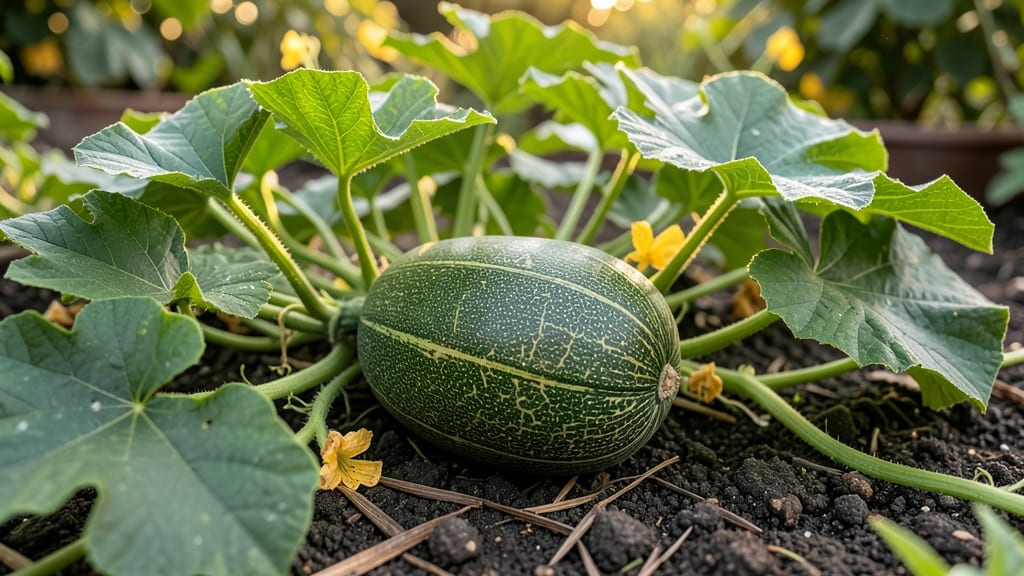
Growing Green Crenshaw melons means summer dessert in every bite—if you nail the heat, soil, and patience. 🌿 These melons need 90+ days of warm weather to sweeten properly, and they reward you with honeyed flesh that melts like nectar.
My first harvest had me questioning why I’d ever bought store-bought cantaloupes again. The secret starts with soil: rich, well-draining loam amended with compost, because Crenshaws despise soggy roots.
Plant after the last frost when soil hits 70°F, and choose a spot with full sun—these vines stretch 6 feet long, so give them room. Water deeply at the base (not the leaves) to prevent disease, and mulch heavily to keep roots cool.
By mid-summer, you’ll spot those striped tendrils and first flowers—then the real test begins. Harvest when the stem slips free with a gentle tug, and the melon smells sweet near the blossom end.
One vine produces 6-10 melons, but watch for powdery mildew (spray neem oil preemptively) and blossom end rot (keep calcium levels balanced). This variety thrives in zones 4-11, but even in cooler areas, a black plastic mulch or row cover extends the season. The payoff?
Melons so sweet they’ll make your neighbors ask for cuttings—worth every sunburn and vine pruning session.
📚 In This Guide
- What you need
- Instructions
- Tips and common mistakes
- Wrapping up and next steps
What you need
- ● Seeds: 5–10 high-quality Cucumis melo inodorus (Crenshaw melon) seeds (organic or heirloom preferred).
- ● Potting soil: 10–15 gallons of well-draining, sterile potting mix (or a blend of 60% garden soil + 40% compost).
- ○ Containers (optional): 5-gallon fabric grow bags or large pots (12–18 inches deep) if not direct-sowing.
- ● Fertilizer: Balanced organic fertilizer (5-5-5 or 10-10-10 NPK ratio) or compost tea for transplanting.
- ● Mulch: Straw or black plastic mulch (to retain moisture and suppress weeds).
- ● Trowel or hand shovel for planting.
- ● Garden gloves (to protect hands from thorns and soil).
- ● Watering can or hose with a gentle spray nozzle (Crenshaws need consistent moisture!).
- ○ Trellis or stakes (optional): 4–6-foot tall stakes or a small trellis to support vines (if space is limited).
- ● Pruning shears (for trimming vines later in the season).
- ● Climate: Full sun (6–8 hours daily) and warm temperatures (70–95°F for optimal growth).
- ● Space: 3–5 feet of ground space per plant (or vertical space if trellising).
- ● Time: 80–100 days from seed to harvest (patience is key!).
- ● Knowledge: Basic gardening skills (or willingness to learn!).
Step-by-step instructions for planting green Crenshaw melons
Here's how to grow these honey-sweet melons that need just the right balance of heat and patience.
🌱 Step 1: Choose the Perfect Planting Spot
Green Crenshaw melons thrive in full sun with at least 8 hours of direct light daily. Pick a location where temperatures stay above 75°F for optimal growth. I always test spots by observing where other melons flourished last season—those same areas work best.
These vines spread 10-12 feet, so give them plenty of space or plan to trellis them vertically. If your garden has poor soil drainage, amend the area with 2-3 inches of compost mixed into the top 12 inches of soil. Crenshaws hate soggy roots, so raised beds work beautifully if your yard stays damp.
🌱 Step 2: Start Seeds Indoors or Plant Transplants
Sow seeds 4-6 weeks before your last frost date indoors using seed-starting mix. Plant 2 seeds per cell at 1 inch deep—they germinate best in 80-90°F soil. Keep them moist but never soggy; I use a spray bottle to avoid disturbing the seeds.
For direct planting, wait until soil temperatures reach 70°F and all frost risk has passed. Space transplants 18-24 inches apart in rows 6 feet apart. I like to plant a few extra seeds just in case—Crenshaws can be finicky about germination. Thin to the strongest plants once they develop 2-3 true leaves.
☀️ Step 3: Provide Support and Consistent Care
Install a sturdy trellis or fence for vines to climb—this saves space and keeps melons off the ground. I use 6-foot tall tomato cages for smaller gardens. Water deeply 1-2 inches per week, focusing on the soil around the vines rather than overhead. Drip irrigation works best to prevent fungal diseases.
Fertilize lightly with 5-10-10 fertilizer at planting and again when vines start running. Too much nitrogen makes plants leafy but fruitless—Crenshaws need a balance. Watch for blossoms to appear about 45-50 days after planting; hand-pollinate if bees are scarce by gently shaking vines in the morning.
⏰ Step 4: Monitor Growth and Harvest at Peak Ripeness
Vines produce both male and female flowers—look for tiny melons forming at the base of female blossoms. Once fruit reaches 8-10 inches long, check for a creamy yellow blush where it touched the ground. The skin should feel firm but yield slightly when pressed.
Harvest when the stem easily snaps off with a slight twist. I always cut with 2 inches of stem attached to prolong shelf life. Store in a cool, dry place for 1-2 weeks—they won't ripen further off the vine. The sweetest flavor develops after 10-14 days of curing in a warm spot.
Tips & tricks for perfect green Crenshaw melons
Here's what nobody tells you about growing these finicky but rewarding melons.
Sunlight Strategy: While the instructions mention 8 hours of sun, I've found Crenshaws actually thrive with 10+ hours of direct sunlight in hot climates. If your summers are short, extend growing season with a low tunnel or row covers—just remove them when fruit starts forming to prevent overheating. The more sun, the sweeter the melons get, especially in cooler regions.
Soil Temperature Secret: The instructions specify 70°F soil for planting, but I've learned to wait until soil hits 75°F consistently for at least 5 days. Use a soil thermometer—Crenshaws won't germinate well in cooler soils. For direct planting, I also recommend soaking seeds overnight in warm water to jumpstart germination in marginal conditions.
Trellis Timing: Don't wait until vines are established to install support! Set up your trellis or tomato cages as soon as seedlings develop 2-3 true leaves (around the same time you'd thin plants). This gives vines something to climb immediately, preventing sprawl and making harvest easier. I use flexible garden twine to gently guide vines upward during early growth.
Watering Wisdom: The 1-2 inches per week guideline works, but I've found Crenshaws need deep watering every 3-4 days during flowering and fruiting. Water in the morning to prevent fungal issues, and use drip irrigation at the base—never overhead. I've seen blossom end rot disappear completely when I adjusted to this schedule during hot spells.
Pro Tips for Green Crenshaw Melon
- Here's what nobody tells you about growing these finicky but rewarding melons.
- Sunlight Strategy: While the instructions mention 8 hours of sun, I've found Crenshaws actually thrive with 10+ hours of direct sunlight in hot climates.
- Soil Temperature Secret: The instructions specify 70°F soil for planting, but I've learned to wait until soil hits 75°F consistently for at least 5 days.
Frequently asked questions
Got questions about growing or enjoying green Crenshaw melons? You’re not alone—this unique, honeydew-like melon has some quirks! Here are answers to the most common queries to help you grow and savor the sweetest harvest.
How long does it take for green Crenshaw melons to mature?
Green Crenshaw melons typically take 80–100 days from transplanting to harvest, depending on your climate. In warmer regions (zones 9–11), they may ripen faster—sometimes as early as 70 days. Monitor vines for curled tendrils and a sweet aroma near the stem, which signals ripeness.
Can you eat green Crenshaw melons when they’re still green?
Nope! These melons must be fully ripe—their rind should turn a pale yellow-green (not bright green) and feel slightly soft when gently pressed. Unripe ones are bland and seedy. Pro tip: Store them at room temp until ripe, then refrigerate for up to a week.
What’s the best way to grow green Crenshaw melons in containers?
Crenshaws thrive in large containers (15+ gallons) with excellent drainage. Use a lightweight potting mix and provide a trellis or cage for vines to climb. Place pots in full sun (6+ hours/day) and water deeply 1–2 times weekly. Just avoid overcrowding—each plant needs 3–4 feet of space!
How do you know when a green Crenshaw melon is overripe?
Overripe Crenshaws develop soft spots, wrinkled skin, or a fermented smell. Their flesh may also turn mushy or develop off flavors. If you miss the sweet spot, slice and freeze the flesh for smoothies or baked goods—just avoid the rind!
What’s a good alternative if green Crenshaw melons don’t grow well in my area?
Try these similar melons for your climate:
- Honeydew melons (hardier, classic sweetness)
- Canary melons (smaller, early-season variety)
- Casaba melons (thicker skin, stores longer)
Wrapping up and next steps
Growing green Crenshaw melons is a rewarding journey that brings sweet, fragrant rewards to your garden—or even your windowsill! With the right warmth, soil, and care, these vibrant melons can flourish, offering a unique twist on classic cantaloupes.
Whether you're a seasoned gardener or a curious beginner, the key is patience and attention to their needs.
Now that you’re armed with the know-how, why not take the next step? Start small—plant a few seeds or seedlings this season and watch your green Crenshaw melons transform into a delicious harvest.
Share your progress with fellow gardeners, and soon, you’ll be enjoying the sweetest variety of melons right from your own backyard! 🌱🍉