
Vegetables
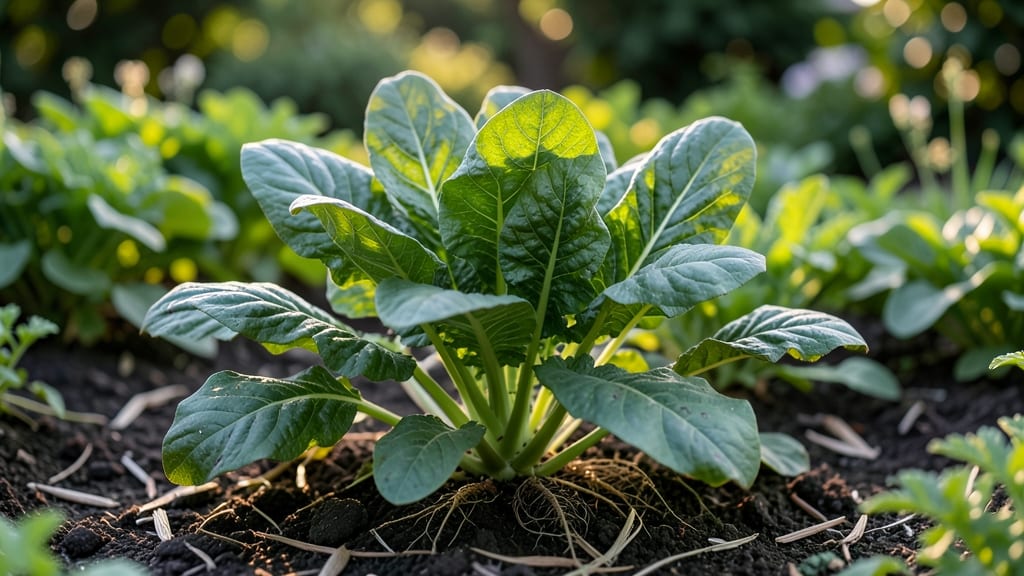
Growing a mustard greens plant from scraps proved I could turn kitchen waste into a thriving garden. 🌱 These cold-hardy greens regrow like magic—just snip what you need, leave the roots, and watch them bounce back within days.
The secret lies in their resilience and fast growth, making them perfect for quick harvests and small spaces. Start with scraps or seeds in well-draining soil rich in compost. They thrive in cool weather, even tolerating light frost, and prefer full sun to partial shade.
Water consistently to keep the soil moist but not soggy—mustard greens hate soggy roots. Within 3-4 weeks, you’ll have tender, peppery leaves ready to harvest. The harvest doesn’t stop there. After cutting, the plant often regrows for 2-3 more cycles, giving you a steady supply without replanting.
They’re also pest-resistant, so you won’t waste time fighting aphids or cabbage worms like with other greens. Best of all, they grow year-round in mild climates or as a spring/fall crop in cooler zones. Here’s how to keep them producing all season!
📚 In This Guide
- What you need
- Instructions
- Tips and common mistakes
- Wrapping up and next steps
What you need
- ● Mustard green seeds or scraps: Seeds: 1–2 oz (packets usually contain 500–1,000 seeds). Varieties like Southern Giant Curled or Tendergreen are great choices!
- ● Scraps: 2–3 healthy stems with roots (from store-bought greens work too!)
- ● Growing containers or garden bed: Containers: 6–12-inch deep pots (with drainage holes) or a raised bed.
- ● Garden bed: Full sun to partial shade (4–6 hours of sunlight daily). Soil should drain well.
- ● Potting mix or garden soil: 1–2 bags of well-draining, organic potting mix (or amend garden soil with compost).
- ● Watering can or hose: With a gentle spray nozzle for even moisture.
- ○ Fertilizer (optional but helpful): Balanced organic fertilizer (e.g., 10-10-10) or compost tea for a nutrient boost.
- ● Fish emulsion or seaweed extract (for faster growth).
- ● Garden trowel or small shovel (for planting seeds or scraps).
- ● Pruning shears or scissors (to harvest leaves without killing the plant).
- ○ Mulch (optional): Straw or shredded leaves to retain moisture and suppress weeds.
- ○ Plant markers (optional): To label varieties if growing multiple types.
- ● Temperature: Mustard greens love cool weather! Ideal temps: 45–75°F (7–24°C). They’ll bolt (go to seed) in heat over 80°F (27°C).
- ● pH level: Slightly acidic to neutral soil: 6.0–7.0.
- ● Sunlight: At least 4–6 hours of direct sunlight daily (partial shade works in hot climates).
- ● Water: Keep soil consistently moist but not soggy (1–1.5 inches per week).
Step-by-step guide to growing cold-hardy mustard greens
Here's how to cultivate this resilient, scrappy green that thrives in cool weather and keeps producing.
🌱 Step 1: Choose and Prepare Your Planting Site
Mustard greens love cool weather and well-draining soil. Pick a spot that gets 4-6 hours of sunlight daily, though they tolerate partial shade. I always test soil pH first—mustard greens prefer 6.0-7.0. If your soil is heavy clay, mix in 2-3 inches of compost to improve drainage.
Loosen the top 6 inches of soil with a garden fork, breaking up any compacted layers. Mustard greens have shallow roots, so deep cultivation isn't necessary. For container growing, use a 10-inch deep pot with drainage holes—this gives roots room to spread without crowding.
🌱 Step 2: Plant Seeds or Transplants at the Right Time
Direct-sow seeds 2-3 weeks before your last frost date for spring planting, or 6-8 weeks before first frost for fall harvests. Mustard greens handle light frosts beautifully—you'll actually get sweeter leaves when temps dip into the 30s°F. Plant seeds ½ inch deep and 1 inch apart in rows 12 inches apart.
If using transplants, space them 8-10 inches apart in rows 18 inches apart. Water gently after planting to settle the soil. I like to cover newly planted beds with 1-2 inches of straw mulch—this keeps moisture in and weeds out while protecting young plants from temperature swings.
💧 Step 3: Water and Maintain for Optimal Growth
Keep soil consistently moist but never soggy—mustard greens need 1-1.5 inches of water weekly. Water at the base rather than overhead to prevent fungal diseases. You'll know you're doing it right when the soil feels damp 1-2 inches down but not waterlogged.
Fertilize lightly with ½ cup of 5-10-10 fertilizer per 10-foot row at planting time, then side-dress with compost when plants reach 6 inches tall. Mustard greens grow fast—you'll see 3-4 inch leaves in 3-4 weeks under ideal conditions. Thin seedlings to 4-6 inches apart when they're 2 inches tall to give remaining plants room to grow.
✂️ Step 4: Harvest and Encourage Regrowth
Harvest outer leaves when they reach 6-8 inches long—this encourages the plant to produce more. Use clean scissors or pruners to cut leaves just above where they meet the stem. You'll get 3-4 harvests per plant before bolting in hot weather, but in cool climates, they'll keep producing all season.
Here's the magic: mustard greens regrow from scraps! After harvest, leave the 2-3 inch stubble intact. Water well and the plant will send up new growth in 1-2 weeks. This scrappy habit makes them one of the most sustainable greens to grow—no need to pull the whole plant when you just want a few leaves.
🌿 Step 5: Overwinter and Extend Your Harvest
In cold climates, mustard greens survive winter under 4-6 inches of mulch. I cover my beds with straw in late fall, then uncover in early spring. The plants will often resprout as soon as temperatures rise above 40°F.
For year-round production, succession plant every 2-3 weeks from early spring through late summer. Mustard greens handle light frosts, so fall plantings often produce the sweetest, most tender leaves. The key is keeping soil moist and protecting young plants from temperature extremes—your reward will be fresh greens when most other crops have bolted.
Tips & tricks for perfect mustard greens planting
These simple strategies will help you grow cold-hardy mustard greens that keep producing all season long.
Soil Prep Secret: Mustard greens thrive in loose, well-draining soil. After loosening the top 6 inches, I like to add a handful of coarse sand to clay-heavy soil—this improves drainage without needing to dig deeper. For containers, fill your 10-inch pots with a mix of potting soil and perlite (70/30 ratio) to prevent compaction. The goal is soil that feels like a damp sponge, not concrete.
Timing Tip for Transplants: When planting transplants 8-10 inches apart, I always stagger the rows by 6 inches—this creates a checkerboard pattern that prevents disease spread. The extra space gives roots room to spread without competing directly. For fall planting, I start with the 6-8 week window but often push to 10 weeks in cooler climates—those late-season plants give me greens when everything else bolts.
Watering Wisdom: The 1-1.5 inches of water weekly is a guideline, but I check soil moisture daily during hot spells. Stick your finger 1-2 inches down—if it feels dry, water thoroughly. Early morning is best to prevent fungal issues, and I always water at the base to keep leaves dry. A drip irrigation system works perfectly for mustard greens, delivering water right where the roots need it.
Harvest Hack: When cutting those 6-8 inch leaves, I use a serrated knife instead of scissors—it gives me cleaner cuts that heal faster. The key to regrowth is leaving that 2-3 inch stubble intact. After harvest, I give the plants a quick spray of water to encourage new growth. You'll notice new leaves appearing in just 1-2 weeks if you've left enough stem—this scrappy habit is why mustard greens are my go-to for continuous harvests.
Pro Tips for Mustard Greens Plant
- These simple strategies will help you grow cold-hardy mustard greens that keep producing all season long.
- Soil Prep Secret: Mustard greens thrive in loose, well-draining soil.
- Timing Tip for Transplants: When planting transplants 8-10 inches apart, I always stagger the rows by 6 inches—this creates a checkerboard pattern that prevents disease spread.
Frequently asked questions
Got questions about growing your own mustard greens? You’re not alone! Here are some of the most common queries—plus straightforward answers to help you cultivate this cold-hardy, nutrient-packed plant with ease.
Can mustard greens survive frost, and how cold is too cold?
Mustard greens are amazing at handling cold weather—they thrive in temperatures down to 20°F (-7°C)! In fact, frost can even sweeten their flavor. Just avoid planting them when nighttime temps dip below 15°F (-9°C), as they may bolt or suffer damage. Mulch with straw or leaves for extra protection in extreme cold.
How long does it take for mustard greens to regrow after cutting?
With proper care, your mustard greens can regrow in 2–4 weeks after a harvest! Leave at least 2–3 inches of the stem when cutting to encourage regrowth. Keep the soil moist, fertilize lightly with compost tea, and ensure they get 4–6 hours of sunlight daily. Patience pays off—you’ll have fresh greens in no time!
What’s the best way to harvest mustard greens without killing the plant?
Use a sharp pair of scissors or pruners to snip leaves 1–2 inches above the base, leaving the lower stems intact. Avoid pulling leaves, as this can damage the plant. Harvest outer leaves first to encourage new growth. For a continuous supply, cut leaves every 2–3 weeks during the growing season.
Can I grow mustard greens in containers, and what size pot do I need?
Mustard greens do well in containers as long as the pot is at least 12 inches deep and wide. Use well-draining soil and ensure the container has drainage holes. A 5-gallon bucket or large pot works perfectly for one plant. Place the container in a spot with full sun to partial shade and water regularly.
What pests commonly attack mustard greens, and how do I get rid of them?
Mustard greens are susceptible to aphids, cabbage worms, and flea beetles. For organic control, spray plants with a mix of water and neem oil or introduce beneficial insects like ladybugs. Row covers can also deter pests. If beetles create holes, simply harvest the damaged leaves and keep an eye out for new growth.
Pro Tip:
If your mustard greens start to bolt (send up flowers) too soon, try harvesting the leaves quickly or replanting seeds in cooler weather. Bolting often happens when days get longer or temps rise—so keep them cool and happy!
Wrapping up and next steps
Growing mustard greens is a rewarding journey—whether you’re a seasoned gardener or a curious beginner! 🌱 This cold-hardy perennial not only thrives in chilly weather but also regrows from scraps, making it a sustainable and budget-friendly choice.
With minimal effort, you’ll enjoy a bountiful harvest packed with nutrients, perfect for salads, sautés, or smoothies.
Ready to dive in? Start small—plant a few scraps or seeds this season and watch your garden flourish! Share your progress with fellow green thumbs, and soon, you’ll be reaping the benefits of this versatile, resilient plant. Happy growing! 🌿