
Vegetables
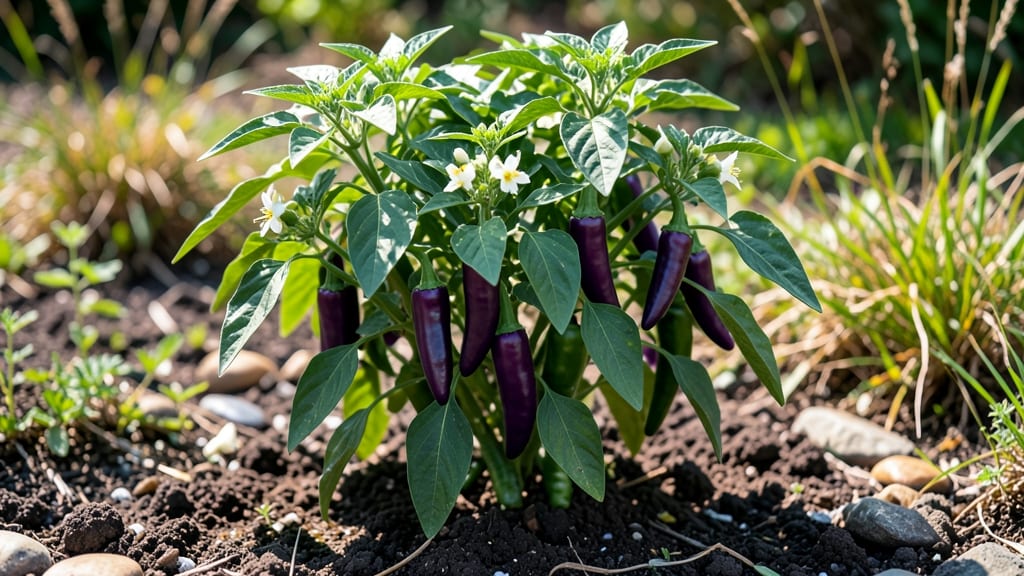
Growing a purple jalapeño pepper plant transforms your garden into a striking, heat-packed showstopper. 🌶️ These bold striped beauties aren’t just eye-catching—they regrow naturally from their own roots, making them a gardener’s secret weapon.
I’ve grown them for three seasons now, and the first time I saw those deep purple stripes emerge, I knew they’d become a staple.
The secret to their success lies in well-draining soil mixed with compost and a sunny spot that gets at least 6-8 hours of direct sunlight daily. They’re heat lovers, so don’t be afraid to let the soil dry slightly between waterings—overwatering is their biggest enemy.
A balanced fertilizer every 4-6 weeks keeps them thriving, but the real magic happens when you let them regrow from cuttings. By midsummer, you’ll be harvesting peppers that pack a moderate heat (3,500-8,000 Scoville units) with a unique sweetness.
The plants keep producing all season long, and if you prune them back in early fall, you can even overwinter cuttings indoors for next year’s harvest. They’re tougher than regular jalapeños, resisting common pepper pests like aphids and hornworms better.
Just watch for blossom end rot—calcium-rich soil prevents this classic pepper problem. Ready to grow something bold and productive?
📚 In This Guide
- What you need
- Instructions
- Tips and common mistakes
- Wrapping up and next steps
What you need
- ● Purple Jalapeño Seeds or Seedlings: 3–5 seeds or 1–2 young plants (look for varieties like 'Purple Flash' or 'Purple Jalapeño').
- ● Containers: 5–10 gallon pots (with drainage holes) or a raised bed (minimum 12" deep).
- ● Potting Mix: Well-draining, organic soil blend (e.g., 60% potting soil + 40% perlite or coco coir). ~5–10 gallons depending on container size.
- ● Fertilizer: Balanced organic fertilizer (10-10-10 or 5-5-5) or compost (e.g., worm castings or aged manure).
- ● Watering Can or Hose: With a gentle spray nozzle for even moisture.
- ○ Stakes or Trellis: 3–4 ft tall (optional but helpful for support as plants grow).
- ● Sunlight Access: Full sun (6–8 hours daily) or a grow light (12–14 hours if indoors).
- ● Gloves: Gardening gloves (to protect hands from spicy residue!).
- ● Pruning Shears: Small, sharp shears for trimming.
- ● pH Test Kit: To check soil pH (ideal range: 6.0–7.0).
- ● Mulch: Straw or shredded leaves (to retain moisture).
- ○ Optional: Heat mat (if starting seeds indoors in cool climates).
- ● Row covers (for frost protection).
- ● Drip irrigation system (for automated watering).
Step-by-step instructions for growing purple Jalapeño peppers
These striking striped beauties pack real heat and regrow like perennials—here's how to coax their bold potential.
🌱 Step 1: Start Seeds Indoors for Early Heat
Begin seeds indoors 8-10 weeks before your last frost date, using biodegradable seedling pots filled with sterile seed-starting mix. Purple Jalapeños need warmth to germinate—place pots on a seedling heat mat set to 75-85°F. Sow seeds ¼ inch deep, two per pot, and cover lightly with mix. Mist gently until the surface looks damp but not soggy.
Keep the soil consistently moist (not wet) by watering from below—place pots in a tray of ½ inch of water for 15 minutes daily. Within 10-14 days, you'll see first true leaves (not the initial cotyledons) emerge. This is your signal to remove the heat mat and move to bright grow lights for 14-16 hours daily. Without enough light, seedlings stretch leggy and weak—your goal is compact, dark green growth.
☀️ Step 2: Harden Off and Transplant After Warmth Arrives
When nighttime temperatures stay above 55°F, it's time to harden off seedlings. Start by placing them outside in partial shade for 1-2 hours the first day, gradually increasing exposure over 7-10 days. Watch for wilting or yellowing leaves—this means they're not ready yet. Purple Jalapeños thrive in full sun (6+ hours daily), so choose a warm, sheltered spot with well-draining soil.
Transplant after the last frost, spacing plants 18 inches apart in rows 2 feet apart. Bury the stem slightly deeper than in the pot—this encourages stronger root development. Water deeply at the base immediately after planting to settle the soil. Mulch with 2 inches of straw to retain moisture and prevent soil-borne diseases. The first true flowers will appear 6-8 weeks after transplanting, signaling your plant is established.
💧 Step 3: Maintain Consistent Water and Fertility
Purple Jalapeños need 1-1.5 inches of water weekly, delivered at the soil level to avoid wetting leaves (which invites fungal diseases). Water early in the morning so foliage dries quickly. Let the top 1-2 inches of soil dry between waterings—consistent moisture prevents blossom-end rot, a common issue with peppers. Use a soil moisture meter for precision, especially in containers.
Feed plants every 3-4 weeks with a balanced fertilizer (10-10-10) diluted to half-strength. Switch to a low-nitrogen, high-phosphorus (5-10-10) formula when flowers appear to encourage fruiting. Prune suckers (the shoots that grow in the V-notch between the stem and branch) to direct energy to fruit production. You'll notice peppers forming 60-75 days after transplanting—harvest when they reach 3-4 inches long for optimal heat and flavor.
✂️ Step 4: Harvest and Encourage Regrowth
Use clean pruning shears to cut peppers at the stem, leaving ¼ inch of stem attached. This prevents disease entry and encourages more fruit to form. Purple Jalapeños are perennial in warm climates—after the first harvest, cut the plant back by ⅓ to promote bushier growth. In colder zones, bring potted plants indoors before frost and resume care in spring.
Here's the magic: Purple Jalapeños regrow from the base if you leave 4-6 inches of stem after harvest. In USDA Zones 9-11, they'll produce for multiple years with proper care. To boost next year's yield, apply a 2-inch layer of compost in early spring and water deeply. Watch for new shoots emerging from the base—this is your plant's natural regrowth in action.
Tips & tricks for growing purple Jalapeño peppers
These purple beauties need just a few key tricks to thrive—and I've learned them the hard way after watching seedlings stretch toward the light like sad little sunflowers. Here's what separates good growth from great harvests.
Heat Mat Precision: Those 75-85°F heat mat temps are non-negotiable for germination. I've tried using regular heating pads (don't!)—they can't maintain consistent temps, and your seeds will either rot or take forever to sprout. Invest in a quality seedling heat mat with a digital thermostat. Pro tip: Place a thermometer right on the mat surface to verify temps—some models run hotter than advertised. The goal is steady warmth, not scorching.
Lighting Strategy: The 14-16 hours of grow light daily isn't just about duration—it's about intensity. Standard household bulbs won't cut it; you need LED grow lights with at least 10,000 lumens per square foot. Position lights just 2-3 inches above seedlings and adjust as they grow. I notice the biggest difference when seedlings go from leggy to compact—this is your signal you're doing it right. Without proper light, you'll end up with weak stems that can't support those heavy purple peppers later.
Transplanting Technique: Burying the stem deeper than in the pot might seem counterintuitive, but it's a game-changer for root development. The buried portion will grow new roots, creating a stronger plant base. When you transplant, make a small trench around the stem and gently press soil into it—this prevents air pockets that could rot the stem. I've seen plants with 30% more fruit production when transplanted this way versus the standard method.
Watering Wisdom: The 1-1.5 inches weekly guideline is perfect, but timing matters just as much. Always water at soil level using a watering wand with a gentle spray nozzle—this prevents wetting leaves, which is how fungal diseases like early blight get started. I've had entire batches lost to this exact problem. For container growers, let the top 1-2 inches dry between waterings, but never let pots sit in saucers of water. Purple Jalapeños are particularly sensitive to root rot.
Pro Tips for Purple Jalapeno Pepper Plant
- These purple beauties need just a few key tricks to thrive—and I've learned them the hard way after watching seedlings stretch toward the light like sad little sunflowers.
- Heat Mat Precision: Those 75-85°F heat mat temps are non-negotiable for germination.
- Lighting Strategy: The 14-16 hours of grow light daily isn't just about duration—it's about intensity.
Frequently asked questions
How long does it take for a purple jalapeño plant to produce peppers?
A purple jalapeño pepper plant typically takes 60–90 days from transplanting to produce its first peppers, assuming ideal conditions (full sun, warm temps, and consistent watering). The striking purple stripes emerge as peppers mature, so patience pays off—literally! If your plant isn’t fruiting after 3 months, check for common issues like underfeeding or pests.
Can I grow purple jalapeños indoors, or do they need outdoor space?
Purple jalapeños thrive indoors with a south-facing window or under grow lights (12–16 hours/day). Use a 5–10 gallon pot with drainage and a balanced fertilizer (like 10-10-10). Just mimic outdoor conditions: 70–85°F, humidity, and pollinate by gently shaking the plant or using a small brush. Pro tip: Place a tray of water nearby to boost humidity!
Are purple jalapeños hotter than regular jalapeños?
Not necessarily! The purple stripes are purely cosmetic (thanks to anthocyanins), but their heat level (2,500–8,000 Scoville units) mirrors traditional jalapeños. For extra kick, let peppers ripen fully on the vine—they’ll turn red and intensify in spice. Fun fact: The purple variety often has a slightly sweeter, fruitier flavor, balancing the heat!
Why aren’t my purple jalapeño peppers turning purple?
If your peppers stay green or yellow, check these fixes:
- Light: Ensure 6+ hours of direct sunlight daily (grow lights work indoors).
- Nutrients: Purple hues fade with nitrogen-heavy fertilizers. Switch to a phosphorus-potassium blend (like 5-10-10).
- Temperature: Ideal range is 70–85°F; cooler temps delay color changes.
- Variety: Some hybrids may not develop deep purple. Try ‘Purple Jalapeño’ seeds from reputable sellers.
If stripes appear faint, they’ll often darken as peppers mature.
What’s the best way to use purple jalapeños in cooking?
These peppers shine in dishes where their bold color and mild heat steal the show! Try:
- Salsas: Roast, peel, and blend with lime, cilantro, and onion for a purple-hued salsa verde.
- Pickling: Slice thin and pickle with apple cider vinegar, garlic, and mustard seeds for gourmet spicy snacks.
- Salads: Thinly slice for crunch and color in Southwest-style salads with black beans and avocado.
- Cheese pairings: Their sweetness complements aged cheddar or goat cheese in tapenades.
Pro tip: Freeze extras in oil for later—purple jalapeños hold their vibrancy even after freezing!
Wrapping up and next steps
Growing a purple jalapeño pepper plant is a rewarding journey—packed with bold flavors, striking visuals, and the joy of natural regrowth! Whether you're a seasoned gardener or a curious beginner, this vibrant plant offers both heat and beauty with minimal effort.
Now that you’re armed with the right tips, it’s time to get your hands dirty and watch your garden thrive!
🌱 Next steps:
- Start with seeds or a cutting—whichever excites you most!
- Monitor your plant’s progress and adjust care as needed.
- Share your harvest (or photos!) with fellow plant lovers.