
Vegetables
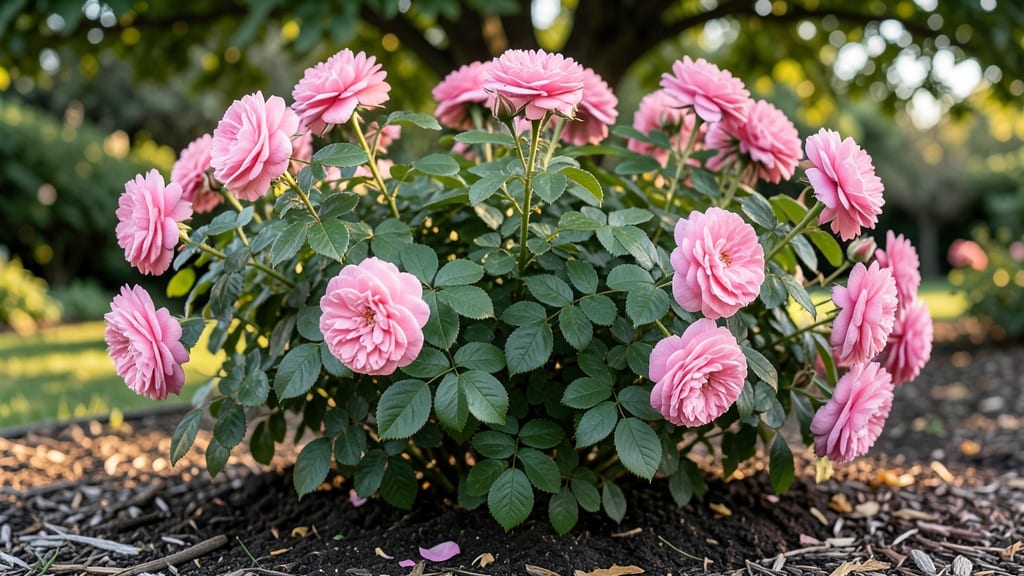
The knockout roses types aren’t just survivors—they’re the rebel roses that refuse to quit. 🌹 These varieties regrow from the roots every spring, even after harsh winters, and they do it with zero fuss. Whether you’re dealing with Zone 3 winters or sweltering summers, there’s a Knockout rose that thrives where others give up. The six core types—Radiance, Double Knock Out, Pink Knock Out, Pink Double Knock Out, Pink Gro-Wiz, and Blushing Knock Out—offer colors from deep red to soft pink, with some even sporting bi-color blooms. They’re bred to resist black spot, powdery mildew, and deer (yes, deer!), so you spend less time spraying and more time admiring. Their compact sizes—3 to 4 feet tall—make them perfect for borders, containers, or even small urban gardens. What sets them apart is their nonstop blooming from early summer straight through fall, with some varieties even pushing into winter in mild climates. No deadheading required—they just keep flowering, rain or shine. The trade-off? They need full sun and well-drained soil, but once established, they’re nearly indestructible. If you’ve ever struggled with finicky roses, these are the game-changers. Pick the color that matches your garden’s vibe, and let them handle the rest—your neighbors will be asking for cuttings by next summer.
📚 In This Guide
- What you need
- Instructions
- Tips and common mistakes
- Wrapping up and next steps
What you need
- ● Knockout Rose Bareroot Plants: 1-3 plants (depending on desired coverage). Choose from types like Radrazz, Double Knock Out, or Blizzard for cold resistance.
- ● High-Quality Potting Soil: 2-3 bags (look for well-draining mix with compost or peat moss).
- ● Organic Mulch: 1-2 bags (shredded bark or straw to retain moisture and insulate roots).
- ● Fertilizer: Slow-release rose-specific granules (e.g., Miracle-Gro Shake 'n Feed).
- ● Balanced 10-10-10 or 5-10-5 formula (1 lb per plant).
- ● Pruning Shears: 1 pair (sterilized with rubbing alcohol).
- ● Garden Gloves: 1 pair (to protect hands from thorns and soil).
- ● Watering Can or Hose: With a gentle spray nozzle (roses hate soggy roots!).
- ● Stakes or Rose Cages: 2-3 (6-foot tall for support).
- ● Tie Clips or Twist Ties: 10-15 (to secure roses to stakes).
- ● Rose Food Spikes: For extra nutrients during blooming season.
- ● Disease Prevention Spray: (e.g., Neem oil or copper fungicide).
- ● Soil Moisture Meter: To monitor watering levels (especially in dry climates).
- ● Winter Protection: Burlap wraps or frost cloth for Zone 5-6 gardeners.
- ● Compost or Worm Castings: For organic soil enrichment.
How to choose and care for cold-hardy Knockout rose varieties
These four standout varieties thrive in tough climates—here’s how to pick and grow them successfully.
🌿 Step 1: Identify the Four Best Cold-Hardy Knockout Roses
Start with Knockout 'Radrazz' for its deep red blooms that last all season, or Knockout 'Blizzard' for pure white flowers that stay pristine in heat and cold. Both handle USDA Zones 4-9 without fuss. For a softer look, Knockout 'Double Knock Out' delivers pink blooms with a dense, repeat-flowering habit—ideal for cutting gardens. Finally, Knockout 'Tiny Tiki' is perfect for small spaces, reaching just 2-3 feet tall while packing the same disease resistance.
I always check the color first—Radrazz makes a bold statement, while Blizzard brightens shady corners. Each variety has the same care needs, so pick based on your garden’s style. Avoid mixing varieties in the same bed; their growth habits vary slightly, and crowding weakens their natural regrowth.
☀️ Step 2: Plant in Full Sun for Maximum Blooms
Knockout roses demand 6+ hours of direct sun daily—no exceptions. Plant them where they’ll get morning light and afternoon sun, even in cooler climates. In Zones 4-5, choose a sheltered spot to protect from harsh winds that can stress new growth. I dig a hole twice as wide as the root ball but only as deep—burying the graft union too deep invites disease.
Amend the planting hole with compost to improve drainage, but skip heavy fertilizers at planting time. These roses thrive on organic matter but hate soggy roots. Water deeply immediately after planting to settle the soil, then let it dry slightly before watering again. You’ll see new shoots within 3-4 weeks—that’s your sign the roots are establishing.
💧 Step 3: Water Deeply but Infrequently
Knockout roses are drought-tolerant once established, but young plants need consistent moisture. Water 1-2 times per week in dry spells, aiming for 1 inch of water per week. I use a soaker hose to deliver water at the base, avoiding wet foliage that invites black spot. Let the top 2 inches of soil dry between waterings—this encourages deep root growth.
Mulch with 3 inches of shredded bark around the base (but keep it 6 inches away from the stem) to retain moisture and regulate soil temperature. In winter, add an extra 2 inches of mulch to protect roots from freeze-thaw cycles. Overwatering here is the #1 mistake—these roses wilting signals thirst, not stress.
✂️ Step 4: Prune for Bushy Growth in Early Spring
Prune Knockout roses in late winter or early spring before new growth starts. Cut back one-third of the oldest canes to the ground to encourage fresh, vigorous growth. For the remaining canes, trim just above an outward-facing bud, making cuts at a 45-degree angle. This shape keeps air circulating and prevents fungal diseases.
I never prune in fall—it stimulates tender growth that won’t survive winter. After pruning, apply a balanced fertilizer (like 10-10-10) to fuel regrowth. You’ll see new shoots within 2-3 weeks, and by mid-summer, the plant will be dense and blooming continuously. Deadhead spent blooms in fall to keep the plant tidy and encourage next year’s buds.
⏰ Step 5: Protect from Winter Freeze in Cold Climates
In Zones 4-5, mound 4-6 inches of soil or mulch around the base of the plant in late fall to insulate roots. Wrap the canes loosely with burlap or a rose cone to shield them from wind and frost. Avoid plastic wraps—trapped moisture causes rot. I leave the mulch in place until late spring, removing it only after the last frost when new growth appears.
Knockout roses regrow naturally each year, but severe winters can damage canes. If you see blackened stems in spring, cut them back to healthy wood. The plant’s resilience ensures it’ll bounce back—just give it time. By mid-June, even the hardest winter won’t stop these roses from bursting into bloom again.
Tips & tricks for perfect cold-hardy Knockout roses
These hardy roses thrive with minimal fuss—but a few key moves make all the difference in their long-term success.
Variety-Specific Planting: When selecting your Knockout variety, consider mature size and growth habits. 'Radrazz' and 'Blizzard' grow to about 4-5 feet tall, while 'Double Knock Out' reaches 5-6 feet. Plant them with their mature size in mind—leave at least 3 feet between plants to prevent overcrowding, which can lead to poor airflow and increased disease risk. For 'Tiny Tiki', which stays compact at 2-3 feet, you can plant them closer together (2-3 feet apart) in mixed borders.
Soil Preparation Secret: Before planting, test your soil's drainage. Knockout roses hate soggy roots, so if your soil is heavy clay, amend the planting hole with a mix of compost and coarse sand (half-and-half ratio). This creates ideal drainage while retaining enough moisture for young roots. I always add a handful of mycorrhizal fungi to the planting hole—these beneficial soil organisms help roots absorb nutrients more efficiently, giving your roses a stronger start.
Winter Protection Upgrade: In Zones 4-5, extend winter protection by adding a layer of straw or leaves over the mulch once the ground freezes. This extra insulation can make the difference between survival and winter damage. I also recommend placing a small brick or landscape fabric over the mulch to keep it from blowing away during winter storms. Remove this extra layer in early spring once new growth appears—usually by late April or early May.
Fertilizer Timing: Apply your balanced fertilizer (like 10-10-10) in early spring right after pruning, but avoid fertilizing after mid-summer. Late-season fertilization encourages tender new growth that won't harden off before winter. Instead, focus on building soil health with compost in fall—this provides slow-release nutrients that strengthen roots for winter. I use a soil probe to check root depth before fertilizing; if roots are shallow (less than 6 inches deep), I wait another month before applying fertilizer.
Pro Tips for Knockout Roses Types
- These hardy roses thrive with minimal fuss—but a few key moves make all the difference in their long-term success.
- Variety-Specific Planting: When selecting your Knockout variety, consider mature size and growth habits.
- Soil Preparation Secret: Before planting, test your soil's drainage.
Frequently asked questions
Got questions about knockout roses? You’re not alone! Here are answers to the most common ones—from care tips to variety choices—so you can grow a thriving, low-maintenance rose garden.
How cold-hardy are knockout roses?
Most knockout roses thrive in USDA Zones 4-9, meaning they can survive winter temperatures as low as -30°F (-34°C). Look for varieties like 'Double Knock Out' or 'Raquel', which are bred for extreme cold resistance. Just mulch heavily in fall to protect roots!
When is the best time to plant knockout roses?
Plant in early spring or fall (4-6 weeks before frost) for best results. Avoid extreme heat or cold—roots need time to establish. If planting in summer, water deeply daily and shade young plants to reduce stress. Pro tip: Soak roots in water for 1 hour before planting to boost survival!
Do knockout roses regrow after dieback?
Yes! Their canes die back to the ground in winter but regrow from the roots in spring—no pruning needed. Just remove dead wood in early spring. Unlike traditional roses, they’re disease-resistant and bounce back year after year with minimal effort.
What’s the difference between ‘Knock Out’ and ‘Double Knock Out’ roses?
| Feature | 'Knock Out' | 'Double Knock Out' |
|---|---|---|
| Flower Type | Single blooms | Double, fuller blooms |
| Color Options | Pink, red, yellow, white | Pink, red, yellow, lavender |
| Cold Hardiness | Zones 5-9 | Zones 4-9 (hardier!) |
Choose 'Double Knock Out' for bigger blooms and 'Knock Out' for classic simplicity.
Why aren’t my knockout roses blooming?
Common culprits: over-pruning (they bloom on new growth!), poor soil (amend with compost), or underwatering. If blooms stop mid-season, fertilize lightly with rose-specific food or check for pests like spider mites. Deadhead spent blooms to encourage more flowers!
Wrapping up and next steps
From Knock Out® 'Double Knock Out' to Radrazz and Blaze, these cold-hardy knockout rose varieties prove that stunning blooms and resilience go hand in hand! 🌹 Whether you’re a seasoned gardener or just starting, these types thrive with minimal fuss, rewarding you with vibrant colors and repeat blooms all season long.
Now that you’ve explored the best options, take the next step—pick your favorite variety, grab your gardening tools, and plant with confidence! Your garden will thank you with a burst of beauty that lasts year after year. Happy planting! 🌱