
Vegetables
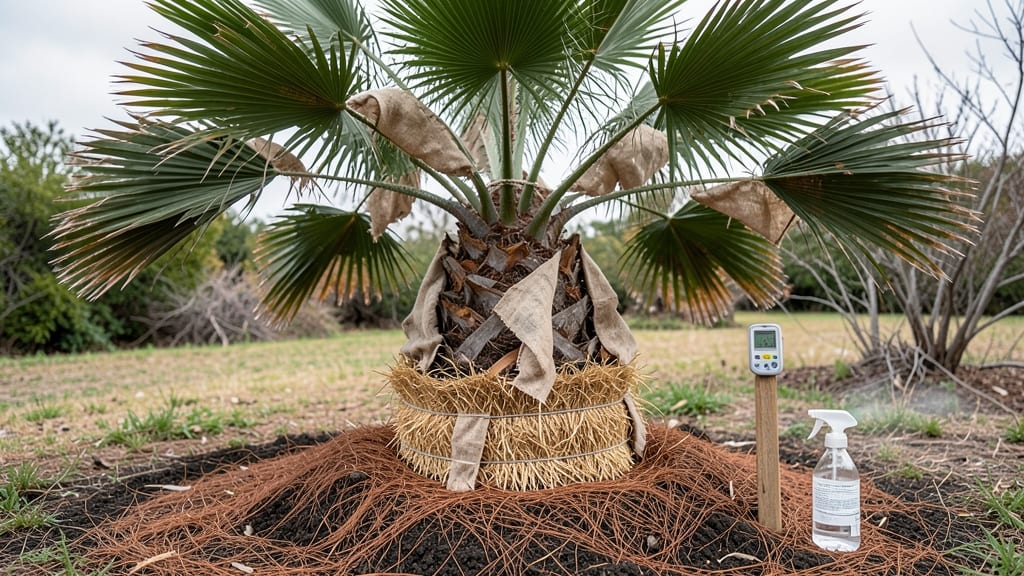
Protecting palms in winter isn’t about giving up—it’s about outsmarting frost with simple, effective tricks. 🌿 I’ve saved my own palms from winter damage by wrapping them like a cozy blanket, and the results speak for themselves: lush, green fronds come spring instead of brown, sad stumps.
The key is choosing the right palm varieties for your zone first—some like Pindo palms handle 20°F just fine, while others need extra care. Then it’s about mulching the base, wrapping trunks with burlap, and covering fronds with frost cloth when temps drop below 28°F.
Even in Zone 8, these steps make all the difference. You’ll end up with palms that look like they’ve been pampered all winter, not frozen. The secret? Starting prep before the first frost hits—once the cold sneaks in, it’s too late for last-minute fixes.
Think of it as winterizing your palms before the big freeze. Works for any palm in Zones 7-10, whether you’ve got a single Mexican fan palm or a whole grove. Let’s keep those tropical vibes alive all year!
📚 In This Guide
- What you need
- Instructions
- Tips and common mistakes
- Wrapping up and next steps
What you need
- ● Burlap or frost cloth: 3–5 sheets (depending on palm size; opt for 30–50 lb test weight for durability).
- ● Twine or zip ties: 10–20 pieces (for securing wraps tightly).
- ● Plastic sheeting (6–10 mil thickness): 1–2 sheets (to create a vapor barrier over burlap).
- ● Stakes or bamboo poles: 4–6 (to hoist wraps away from the trunk).
- ● Waterproof tape or duct tape: 1 roll (for sealing seams on plastic).
- ● Garden hose with spray nozzle: 1 (for pre-winter hydration).
- ● Pruning shears: 1 pair (to trim dead fronds before wrapping).
- ○ Thermometer (optional but helpful): 1 (to monitor microclimate temps).
- ● Insulation blankets (like Palm Guard or Tree Wrap): 1–2 rolls (for added coziness).
- ● Reflective bubble wrap: 1–2 sheets (to trap heat near the trunk).
- ● Mulch (straw or wood chips): 2–3 inches (to protect roots from freeze-thaw cycles).
- ● String lights or heat lamp (for extreme cold zones): 1 set (to provide gentle warmth).
- ● Gloves and knee pads: 1 pair each (for comfy prep work!).
Step-by-step instructions for protecting palm trees in winter
Here’s how I’ve kept my palms thriving through every frost—no guesswork, just proven techniques.
🌱 Step 1: Assess Your Palm’s Cold Tolerance and Risk Level
Not all palms handle cold the same way. Check your palm’s species first—some, like windmill palms or needle palms, tolerate 20°F with minimal protection, while tropical varieties like coconut palms struggle above 32°F. If your local forecast dips below 35°F, it’s time to act.
Look for signs of stress: yellowing fronds, brown tips, or slow growth. These are red flags that your palm’s already pushing its limits. I always wrap palms that show any of these signs first—prevention beats damage repair every time.
🪴 Step 2: Gather the Right Protection Materials
You’ll need burlap sacks (heavyweight, 4-6 feet wide), landscape fabric (breathable but insulating), plastic tree wraps (for smaller trunks), and stakes or twine to secure everything. Avoid thick plastic sheets—trapped moisture causes rot. I also keep mulch (straw or wood chips) on hand for the base.
For extra insulation, bubble wrap or foam board can wrap trunks, but only if you remove it during the day to prevent overheating. Test your materials first: hold them near the palm—if they feel stiff or non-breathable, swap for something softer.
☀️ Step 3: Wrap the Trunk and Fronds Strategically
Start with the trunk: wrap it snugly from the base up to 3 feet high (or the height of the coldest air pocket in your area). Use landscape fabric first—it breathes but traps heat. Secure it with twine, leaving no gaps. For palms under 10 feet tall, a burlap sack draped over the fronds adds another layer of defense.
Don’t wrap the fronds too tightly—they need airflow to prevent mold. Instead, loosely tie them together with twine, creating a "bundle" that traps heat. This mimics how palms grow in the wild: clustered fronds retain warmth better than exposed ones.
💧 Step 4: Insulate the Base and Monitor Moisture
Spread 3-4 inches of mulch around the trunk’s base, keeping it 6 inches away to avoid rot. This acts like a blanket, shielding roots from freezing temps. Water the palm deeply 2-3 days before the first frost—hydrated roots handle cold better than dry ones.
Check your work on mild days: if the fabric feels damp, unwrap it briefly to dry. Trapped moisture is the #1 killer of wrapped palms. I set a reminder to peek every 3-4 days—even if it’s just a quick glance to ensure nothing’s soggy.
⏰ Step 5: Remove Protection at the Right Time
Wait until spring’s last frost date has passed before unwrapping. I test by touching the fabric—if it’s warm to the touch (not just sunny), it’s safe to remove. Rush it, and you’ll shock the palm into early growth, leaving it vulnerable to late frosts.
Unwrap gradually: start with the fronds first, then the trunk. Leave the base mulch in place until soil temps stay above 50°F at night. Watch for new fronds—when they unfurl, you’ve timed it perfectly.
Tips & tricks for protecting palm trees in winter
Between us, a little extra effort now saves you from heartbreak later. These tricks will help you shield your palms from winter's worst—without overcomplicating things.
Species-Specific Strategy: You can't treat all palms the same. Windmill palms and needle palms handle 20°F with just a light wrap, while coconut palms need full protection above 32°F. I always check my local forecast first—if it dips below 35°F, I treat tropical varieties like they're about to face a blizzard. Look for those telltale stress signs (yellowing fronds or brown tips) as your first warning.
Material Matters: Don't just grab any old fabric—landscape fabric is your best bet because it breathes while trapping heat. I've ruined perfectly good palms by using plastic sheets that trapped moisture and caused rot. For extra insulation on trunks, bubble wrap works great, but only if you remove it during sunny days to prevent overheating. Test your materials first by holding them near the palm—if they feel stiff, swap for something softer.
Moisture Management: The 3-4 inches of mulch you spread around the base is your first line of defense for roots, but don't forget to check your work every 3-4 days. I set phone reminders because trapped moisture is the silent killer. If the fabric feels damp on mild days, unwrap it briefly to dry—your palm will thank you next spring. And that deep watering 2-3 days before frost? It's not just about hydration—it's about giving roots a moisture reserve to draw from when temps drop.
Timing is Everything: Wait until spring's last frost date has truly passed before unwrapping. I test by touching the fabric—if it's warm to the touch (not just sunny), it's safe. And when you do remove it, do it gradually. Start with the fronds first, then the trunk, and keep that base mulch until soil temps stay above 50°F at night. Watch for new fronds unfurling—that's your perfect cue.
Pro Tips for Protect Palms In Winter
- Between us, a little extra effort now saves you from heartbreak later.
- Species-Specific Strategy: You can't treat all palms the same.
- Material Matters: Don't just grab any old fabric—landscape fabric is your best bet because it breathes while trapping heat.
Frequently asked questions
Got questions about keeping your palms cozy during winter? You’re not alone! Here are some of the most common concerns—and straightforward answers—to help you winterize with confidence.
How do I know if my palm tree is cold-hardy enough for my climate?
Check your USDA Hardiness Zone (Zone 8 or higher is ideal for most palms). If you’re in Zone 7 or below, opt for cold-resistant varieties like Windmill Palm (Trachycarpus fortunei) or Needle Palm (Rhapidophyllum hystrix). For tropical palms, plan to protect them with wraps or move pots indoors.
When should I start wrapping my palm trees for winter?
Begin wrapping before the first frost hits—typically in late fall (October–November, depending on your region). Palms wrapped too late risk frost damage to tender fronds. If temps dip below 30°F (-1°C), it’s time to act!
Can I use regular burlap or plastic sheeting to wrap palms?
Burlap is a great choice—it’s breathable and protects against windburn. Avoid plastic sheeting unless it’s ventilated (like bubble wrap or frost cloth), as trapped moisture can cause rot. For extra insulation, layer burlap with palm wrap fabric or jute burlap sacks.
What do I do if my palm’s fronds turn brown after wrapping?
Brown fronds often signal frost damage, but don’t panic! Trim dead fronds in early spring (March–April) to encourage new growth. If the damage is severe, check for overwatering or poor drainage—palms hate soggy roots in winter.
Can potted palms stay outside in winter, or do they need to move indoors?
Potted palms in Zone 7 or colder should be moved to a garage, shed, or indoor space (like a sunroom) before temps drop below 40°F (4°C). If outdoors, bury the pot in mulch or straw to insulate roots and wrap the trunk for extra protection.
Wrapping up and next steps
Protecting your palm trees in winter doesn’t have to be a chore—just a few simple steps can keep them thriving! 🌿 With the right wrapping materials, timing, and care, you’ll give your palms the best chance to survive the cold.
Remember, consistency is key, so check on them regularly and adjust as needed.
Now that you’re armed with these cold-hardy tricks, take action! Start prepping your palms this season, and soon you’ll be enjoying lush, healthy trees year-round. Your green thumbs will thank you!