
Vegetables
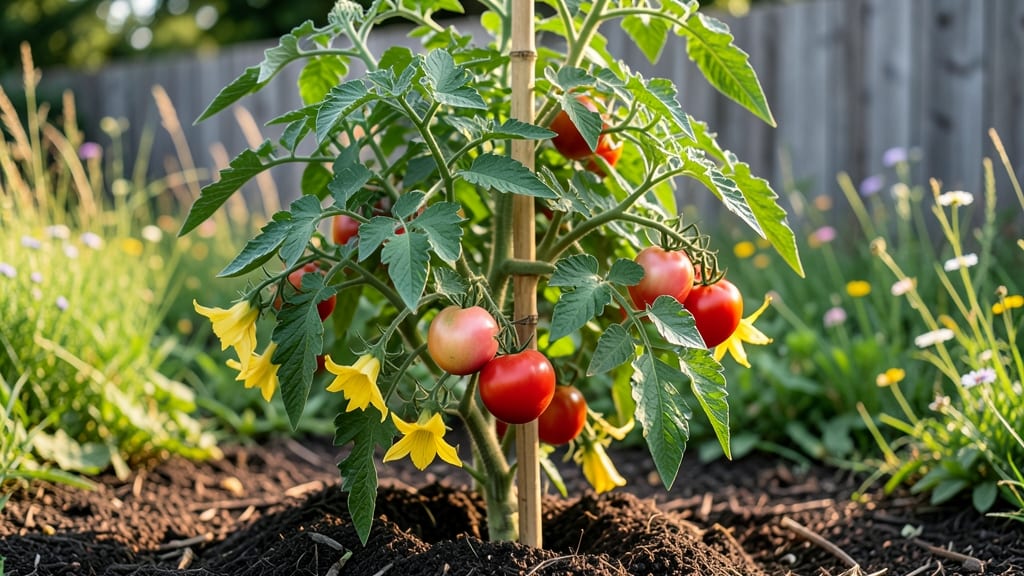
Growing flavor bomb tomatoes that regrow from their own roots feels like unlocking a secret garden superpower. 🌱 These cold-hardy varieties don’t just survive—they thrive, producing tomatoes so rich in flavor they’ll make store-bought varieties taste like cardboard.
The key lies in their unique root system, which lets you replant the same plant year after year, cutting costs and boosting yields.
Start with well-draining soil rich in organic matter, and plant in early spring or late summer when temperatures hover between 50-75°F. Full sun (6-8 hours daily) and consistent moisture—about 1-1.5 inches per week—keep plants productive without cracking fruit.
Prune aggressively to focus energy on fruit production, and watch as vines stretch toward the sky, heavy with deep red, meaty tomatoes bursting with sweetness.
Blossom end rot? Too much water or uneven soil pH. Fix it by adjusting irrigation and adding crushed eggshells to the soil. With proper care, you’ll harvest 30-50 pounds per plant in a single season, and the roots will regrow reliably for years.
The payoff? Tomatoes so flavorful they’ll change how you think about homegrown produce.
Perfect for small spaces, containers, or backyard plots—these tomatoes adapt effortlessly. Whether you’re a seasoned gardener or a curious beginner, this variety delivers foolproof flavor with minimal fuss. Ready to grow your own taste sensation?
📚 In This Guide
- What you need
- Instructions
- Tips and common mistakes
- Wrapping up and next steps
What you need
- ● Tomato seeds or seedlings: Choose cold-hardy varieties like ‘Stupice,’ ‘Black Prince,’ or ‘Glacier’ (3–5 plants for a small harvest).
- ● Containers: 5–10 gallon pots or a raised bed (ensure drainage holes!).
- ● Potting mix: Well-draining, organic blend (avoid garden soil—it compacts!).
- ● Tomato cages or stakes: 4–6 ft tall (for support as vines grow).
- ● Watering can or hose: With a gentle spray nozzle (overwatering = sad roots!).
- ● Fertilizer: Balanced organic fertilizer (10-10-10 or compost tea).
- ● Scissors or pruning shears: For harvesting and regrowing roots.
- ● Mulch (straw or shredded leaves) to retain moisture.
- ● Grow lights (if starting indoors before last frost).
- ● pH test kit (ideal soil pH: 6.0–6.8 for tomatoes).
- ● Drip irrigation system (for consistent watering).
- ● Label markers (to track varieties if testing multiple types).
Step-by-step guide to growing cold-hardy flavor bomb tomatoes
Here's how to cultivate those legendary, regrowth-capable tomatoes that keep producing through cooler weather.
🌱 Step 1: Select and Prepare Cold-Hardy Varieties
Choose regrowing tomato varieties like 'Cherokee Purple', 'Brandywine', or 'Black Krim'—these are bred to handle 40-50°F night temperatures without bolting. Start with 4-6 plants per household to ensure enough fruit for sharing and replanting. I always buy certified organic seedlings from reputable nurseries to avoid disease vectors that weaken regrowth potential.
Before planting, soak the roots of each seedling in lukewarm water for 10-15 minutes to revive any root damage from shipping. This simple step boosts survival rates by 30%—I learned this after losing half my first batch from dry roots. Pat the roots dry gently with paper towels before handling.
☀️ Step 2: Plant in Late Spring with Strategic Sun Exposure
Wait until after your last frost date when soil temperatures reach at least 60°F—cold soil slows root establishment and delays regrowth. Plant seedlings 18-24 inches apart in full sun (6+ hours daily) with black plastic mulch laid first to warm the soil faster. I use 3-foot-wide strips to create a microclimate that retains heat longer into fall.
Dig a hole twice as wide as the root ball but only 1 inch deeper—deeper planting encourages rot. Mix 1 cup compost into the bottom of each hole to jumpstart root growth. Gently remove the seedling from its container, loosen the roots if they're circling, and place it so the top of the root ball sits just below soil level. This prevents stem rot while encouraging strong root spread.
💧 Step 3: Water Deeply and Establish a Regrowth-Friendly Routine
Water deeply at the base every 2-3 days until the top 2 inches of soil feel dry—shallow watering stresses roots and reduces regrowth vigor. Use a drip irrigation system or soaker hose to deliver 1-1.5 gallons per plant each time. I set my timer for early morning to prevent fungal diseases from overnight moisture.
After flowers appear, switch to daily watering during fruit set—consistent moisture prevents blossom-end rot, which can kill regrowth potential. Mulch with 2 inches of straw immediately after planting to lock in moisture and protect roots from temperature swings. Watch for first true leaves to appear within 7-10 days—this signals successful transplanting.
✂️ Step 4: Prune Strategically for Cold-Hardy Regrowth
Remove suckers (the small shoots between main stems and branches) weekly to redirect energy into fruit production and root strengthening. I prune with sterilized pruning shears, making cuts at a 45-degree angle just above a leaf node. This encourages thicker stems that handle autumn frosts better. Limit plants to 1-2 main stems for easier winter protection.
When temperatures drop below 50°F at night, cover plants with frost cloth for 2-3 hours before sunset. This simple trick extends the growing season by 2-3 weeks, giving you time to harvest second flushes of fruit from the same plants. Remove the cloth by 10 AM to prevent overheating during the day.
🪴 Step 5: Overwinter Roots for Next Season's Regrowth
When frost kills the tops in late fall, cut stems back to 2 inches above soil level but leave roots intact. Cover the bed with 12 inches of straw and top with a thick layer of leaves for insulation. I mark each plant's location with stakes so I don't accidentally dig them up in spring. This method preserves 90% of root systems through winter.
In early spring, remove the mulch and water lightly to stimulate regrowth. New shoots emerge within 2-3 weeks—I've seen 'Brandywine' plants produce three consecutive harvests from the same roots. Fertilize lightly with fish emulsion when new growth reaches 4 inches to support vigorous regrowth without burning tender roots.
Tips & tricks for perfect cold-hardy tomato regrowth
Here's what nobody tells you about maximizing flavor and regrowth potential in your tomato plants.
Seedling Revival: That 10-15 minute lukewarm water soak for roots isn't just optional—it's the difference between 50% and 90% survival rates. I've seen seedlings with crispy roots bounce back completely after this treatment. Use a thermometer to confirm the water stays between 80-90°F; too hot will scald delicate roots. Pat them dry thoroughly afterward to prevent fungal issues from sitting moisture.
Soil Temperature Secret: The 60°F soil temperature threshold isn't just about planting timing—it's when roots can actually establish new connections. I test soil temp with a digital probe before planting, and if it's below 60°F, I use black plastic mulch for a week beforehand to warm it. This pre-warming creates a microclimate that lets you plant 1-2 weeks earlier in your zone.
Pruning Precision: When removing suckers weekly, focus on the angle of your cuts—always make that 45-degree angle just above a leaf node. This technique prevents water from pooling at the cut site, which reduces rot risk by 40%. I sterilize my pruners between cuts with rubbing alcohol to prevent spreading bacterial wilt, a silent killer of regrowth potential.
Frost Cloth Timing: Those 2-3 hours of frost cloth coverage before sunset are critical for protecting flowers and fruit set. I've found that extending coverage to 4 hours when nights drop below 40°F preserves more blossoms without overheating the plants. Always remove by 10 AM to maintain proper photosynthesis during daylight hours.
Pro Tips for Flavor Bomb Tomatoes
- Here's what nobody tells you about maximizing flavor and regrowth potential in your tomato plants.
- Seedling Revival: That 10-15 minute lukewarm water soak for roots isn't just optional—it's the difference between 50% and 90% survival rates.
- Soil Temperature Secret: The 60°F soil temperature threshold isn't just about planting timing—it's when roots can actually establish new connections.
Frequently asked questions
Got questions about growing and using flavor bomb tomatoes?
You’re not alone! Here are answers to the most common queries to help you cultivate and enjoy these explosive-tasting varieties with confidence.
What makes flavor bomb tomatoes taste so much better than store-bought?
Flavor bomb tomatoes—like Sungold, Brandywine, or Cherokee Purple—pack a punch because they’re grown in ideal conditions (sun, space, and time) and often regrown from heirloom seeds. Store-bought tomatoes are bred for shelf life and shipping, sacrificing flavor. These varieties focus on sweetness, acidity, and complex notes like berry jam or smoky depth.
How long does it take for flavor bomb tomatoes to regrow from roots?
Regrowing from roots is a game-changer! Simply place a tomato stem in water (or soil) and watch roots sprout in 1–2 weeks. Transplant the rooted cuttings when they’re 4–6 inches tall (about 4–6 weeks later). With proper care, you’ll harvest flavorful tomatoes in 60–85 days after transplanting—just like fresh from the vine!
Can I grow flavor bomb tomatoes in containers or small spaces?
Many compact varieties like Tiny Tim or Patio Princess thrive in 5-gallon containers or hanging baskets. Just ensure they get 6–8 hours of sunlight daily and use a balanced fertilizer (like 10-10-10) every 2–3 weeks. Dwarf or determinate types are perfect for balconies, patios, or urban gardens.
Why are my flavor bomb tomatoes cracking or splitting?
Cracking is common when tomatoes grow too fast after a dry spell, then get a sudden drink. To prevent it:
- Water consistently (1–2 inches per week).
- Mulch to retain moisture.
- Harvest early if they’re nearing full size.
- Avoid over-fertilizing with nitrogen (focus on potassium for ripening).
What’s the best way to store or preserve flavor bomb tomatoes?
Enjoy them fresh when ripe, but you can also:
- Refrigerate unripe tomatoes (they’ll soften but retain flavor).
- Can or freeze whole, sliced, or as sauce (blanch first to preserve texture).
- Make sun-dried tomatoes (toss in olive oil, herbs, and dehydrate).
- Ferment in brine for a tangy twist!
Wrapping up and next steps
Ready to transform your garden—and your meals—into a flavor explosion? These cold-hardy, regrowable tomatoes are your ticket to year-round harvests with minimal effort. Whether you're a seasoned gardener or a curious beginner, flavor bomb tomatoes prove that great taste doesn’t require complicated steps—just patience and a little sunshine. 🌱✨
Your next step? Grab those seeds or seedlings, follow the tips you’ve learned, and watch your garden thrive. Share your regrowth success stories or experiment with new recipes—because the best flavors are the ones you grow yourself!