
Vegetables
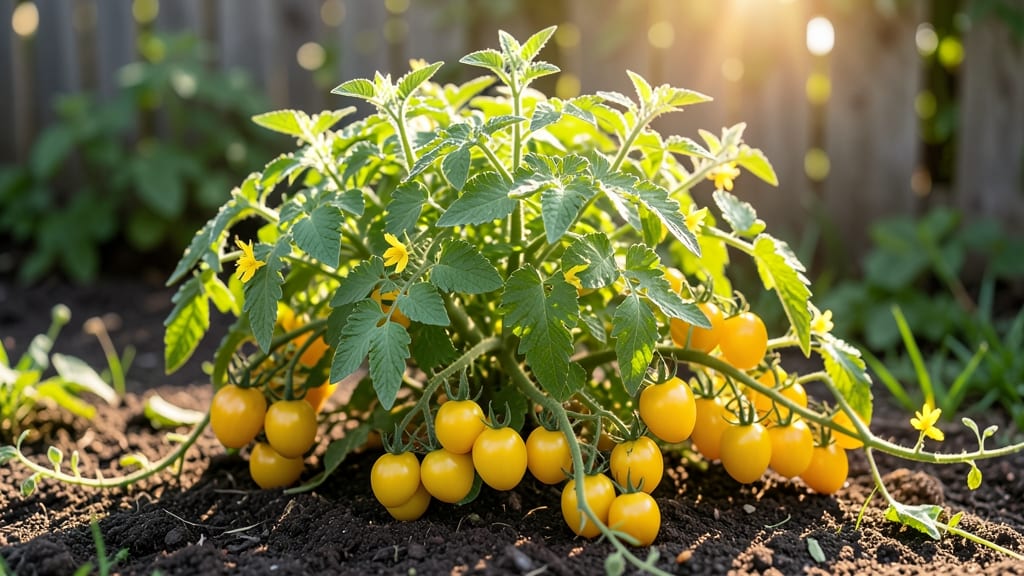
Golden Sweet Grape Tomatoes transform your garden into a sunlit treasure trove of sweet, golden-yellow jewels—harvestable in just 50 days and tough enough to handle cooler climates. 🌱 I fell in love with these heirlooms after my first bite: they’re sweeter than store tomatoes, burst with flavor, and keep producing until frost.
Unlike most tomatoes, they thrive in temperatures that would stop regular varieties dead. The secret lies in their cold resistance and compact growth habit. Plant them in well-draining soil with full sun (at least 6-8 hours daily), and space them 18-24 inches apart to let air circulate.
They’re perfect for containers too—just use a 5-gallon pot or larger. Water consistently but avoid soggy soil, which can lead to disease. Once established, these vines reward you with clusters of tiny, sun-kissed tomatoes that taste like summer in every bite.
Pinch off early flowers to boost fruit size, and prune suckers regularly to keep energy focused on production. The harvest starts small but grows into a steady stream of sweetness that lasts weeks. Common challenges? Blossom end rot (fix with calcium) and cracking (keep soil evenly moist).
But with proper care, you’ll enjoy a harvest that’s not just productive but downright magical—imagine golden tomatoes glistening in the morning light, ready to be snacked straight from the vine.
📚 In This Guide
- What you need
- Instructions
- Tips and common mistakes
- Wrapping up and next steps
What you need
- ● Seeds or seedlings: 3–5 golden sweet grape tomato seeds or healthy seedlings (check for disease resistance if possible).
- ● Potting mix: 10–15 lbs of high-quality, well-draining seed-starting mix (sterilized to prevent pests).
- ● Containers: 4–6 biodegradable pots (4–6 inches deep) or a seed tray with cells for starting seeds indoors.
- ● Garden soil: 50–100 lbs of nutrient-rich, loamy soil (amend with compost for better drainage).
- ● Fertilizer: Balanced 10-10-10 or 5-10-10 fertilizer (organic options like fish emulsion or compost tea work too!).
- ● Support system: 4–6 ft tomato cages, stakes, or trellises (per plant) to encourage vertical growth.
- ○ Mulch: Straw, wood chips, or black plastic (optional but helps retain moisture and suppress weeds).
- ● Hand trowel or transplant spade (for digging and planting).
- ● Watering can or hose with a gentle spray nozzle (avoid overwatering!).
- ● Pruning shears (for trimming suckers and shaping plants).
- ○ pH testing kit (optional but helpful—ideal soil pH: 6.0–6.8).
- ● Gloves and knee pads (for comfort during planting and maintenance).
- ● A sunny location with at least 6–8 hours of direct sunlight daily.
- ● Warm soil (minimum 55°F) for transplanting seedlings outdoors.
- ● Patience! These perennials take 50–60 days to harvest after transplanting.
Step-by-step guide to growing golden sweet grape tomatoes
Here's how to cultivate these cold-hardy, prolific producers—no greenhouse needed.
🌱 Step 1: Choose the Right Location and Prepare Soil
Golden Sweet Grape Tomatoes thrive in full sun (at least 6-8 hours daily) and tolerate cooler temperatures better than most varieties. I always pick the warmest spot in my yard—even a south-facing window works for container growing. These plants appreciate well-draining soil with a pH between 6.0-6.8, so test your soil before planting.
Amend heavy clay with 2-3 inches of compost and a handful of perlite to prevent waterlogging. I mix in a slow-release tomato fertilizer (10-10-10 ratio) at planting time to give them a nutrient boost without burning roots. The goal is loose, fluffy soil that holds moisture but drains freely—these tomatoes hate soggy feet.
🪴 Step 2: Plant After Last Frost When Soil Reaches 60°F
Wait until nighttime temperatures stay above 50°F before transplanting. Golden Sweet Grape Tomatoes are cold-resistant but won't produce well in chilly soil. Start seeds indoors 6-8 weeks before last frost if your growing season is short, or buy sturdy transplants from a nursery specializing in cold-hardy varieties.
Dig holes twice as wide as the root ball but only as deep as the container. Space plants 18-24 inches apart in rows 3 feet apart for good airflow. I plant mine in black plastic mulch to warm the soil faster and suppress weeds—this gives me a 2-3 week head start on fruit production.
☀️ Step 3: Support Vines and Provide Consistent Water
These tomatoes grow 4-6 feet tall and produce heavy clusters of golden, grape-sized fruit, so support is critical. I use 5-foot tomato cages or heavy-duty stakes with twine to train vines vertically. Install supports at planting time—waiting until vines are established risks breaking stems when you try to attach them later.
Water deeply 1-2 times per week, aiming for 1 inch of water total. Let the top 2 inches of soil dry between waterings to prevent blossom-end rot. I water in the early morning to reduce disease risk and mulch heavily with straw to retain moisture. Avoid wetting leaves when possible—this helps prevent fungal diseases like early blight.
✂️ Step 4: Prune for Airflow and Remove Suckers
Prune aggressively to improve airflow and fruit production. Remove suckers (the small shoots that grow in the leaf axils) weekly—they drain energy from fruit production. I also prune lower leaves that touch the soil to prevent disease. Leave 2-3 main stems per plant for best results; more stems reduce fruit size.
Pinch off the first flower cluster if your plant is small—this encourages stronger vine growth. After that, let flowers develop naturally. The plants will produce continuous harvests for 50+ days if you keep them pruned and supported. Harvest when tomatoes turn bright golden and feel slightly soft to the touch—this ensures peak sweetness.
🌿 Step 5: Extend the Season with Cold Protection
Golden Sweet Grape Tomatoes are cold-hardy but won't produce in freezing conditions. Cover plants with frost cloth when nighttime temperatures drop below 40°F. I also mulch heavily in fall to protect roots from temperature swings. In short-season areas, you can harvest leaves and store them in the fridge for up to 2 weeks—they keep surprisingly well.
After the first frost, cut back vines to 6 inches tall, compost the healthy plant material, and mark the spot. These perennials often regrow from the roots in spring, giving you a head start on next year's harvest. I've had plants produce for 3+ years with proper care—just renew mulch and fertilizer annually.
Tips & tricks for growing golden grape tomatoes
Here's what I've learned after growing these cold-hardy beauties for years—trust me, these details make all the difference.
Sunlight Strategy: While the instructions call for 6-8 hours of full sun, I've found that morning sun plus afternoon shade in hot climates actually increases fruit set. These tomatoes handle heat better than most, but too much midday sun can stress plants and reduce yields. Position them where they get gentle afternoon shade if temperatures regularly exceed 90°F.
Soil Prep Secret: The 2-3 inches of compost and perlite recommendation is spot-on, but I add an extra trick: mix in 1 cup of crushed eggshells per plant at planting time. This provides calcium to prevent blossom-end rot, which can be devastating to your harvest. The eggshells break down slowly, giving you protection throughout the growing season.
Watering Wisdom: When aiming for 1 inch of water weekly, I've learned to check soil moisture with my finger rather than relying on a schedule. Stick your finger 2 inches deep—if it feels dry, that's your cue to water. Early morning is ideal, but if you miss that window, water in the late afternoon instead of evening to prevent fungal issues. The key is avoiding wet leaves at night.
Pruning Payoff: The instructions mention removing suckers weekly, but I take it a step further by pruning every 5-7 days during peak growth. This aggressive approach might seem harsh, but it forces energy into fruit production rather than foliage. I also remove any leaves that show signs of disease immediately—don't wait for them to spread. The 2-3 main stems guideline is perfect for maximizing fruit size and quality.
Pro Tips for Golden Sweet Grape Tomato
- Here's what I've learned after growing these cold-hardy beauties for years—trust me, these details make all the difference.
- Sunlight Strategy: While the instructions call for 6-8 hours of full sun, I've found that morning sun plus afternoon shade in hot climates actually increases fruit set.
- Soil Prep Secret: The 2-3 inches of compost and perlite recommendation is spot-on, but I add an extra trick: mix in 1 cup of crushed eggshells per plant at planting time.
Frequently asked questions
Do Golden Sweet Grape Tomatoes grow well in cold climates?
This variety is one of the most cold-hardy tomatoes available, tolerating temperatures down to 15°F (-9°C) once established. Start seeds indoors 6–8 weeks before your last frost, then transplant after soil warms to 50°F (10°C). For extra protection, use row covers or grow in containers to move indoors during freezes.
How long does it take for Golden Sweet Grape Tomatoes to produce fruit?
You’ll see your first fruits in just 50–60 days from transplanting—much faster than traditional tomatoes! With consistent care (water, sunlight, and fertilizer), expect a continuous harvest for 6–8 weeks. Prune suckers lightly to encourage bushier growth and more clusters.
Can I grow Golden Sweet Grape Tomatoes in containers?
Yes! These tomatoes thrive in containers as long as the pot is at least 12–15 inches deep and has drainage holes. Use a high-quality potting mix and a 5-gallon container per plant for best results. Place containers in full sun (6+ hours daily) and fertilize every 2–3 weeks with a balanced tomato feed.
What pests or diseases should I watch for, and how do I prevent them?
Common issues include aphids, hornworms, and blight. Prevent pests with neem oil sprays or companion planting (basil, marigolds). For disease prevention, water at the base (not leaves), ensure airflow, and remove yellowed foliage promptly. If blight appears, treat with copper fungicide and avoid overhead watering.
Are there any alternatives if my Golden Sweet Grape Tomatoes struggle?
If your plants underperform due to cold or pests, try these cold-resistant alternatives:
- ‘Cherry Tomato ‘Tumbling Tom’ – Compact, prolific, and great for containers.
- ‘Siberian’ Tomatoes – Hardy to 20°F (-7°C) and disease-resistant.
- ‘Stupice’ Tomatoes – Cold-tolerant and early-producing.
Wrapping up and next steps
Growing golden sweet grape tomatoes is a rewarding journey—whether you're a seasoned gardener or a curious beginner!
These cold-resistant perennials deliver fast, abundant harvests (50 days or less!) with minimal fuss, making them a game-changer for small spaces and cooler climates. 🌱 With the right soil, sunlight, and care, you’ll enjoy sweet, flavorful tomatoes that taste like summer every bite.
Ready to dive in? Start by gathering your supplies, then plant your seeds or seedlings this season—your future harvest (and bragging rights!) are just weeks away. Happy growing! 🌿