
Vegetables
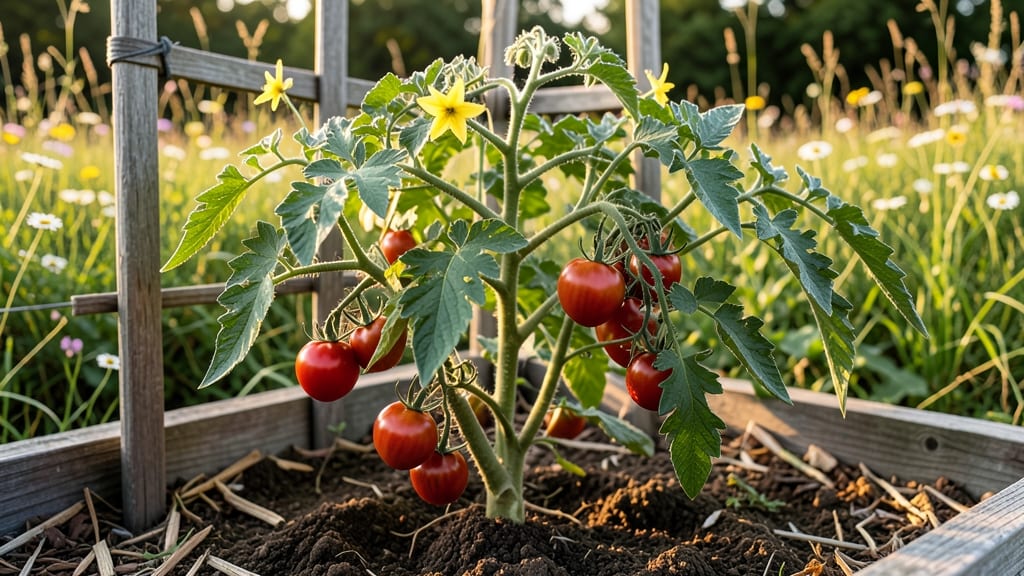
German heirloom tomatoes thrive where others fail—even when nights dip into the 50s. 🌱 I’ve grown these cold-tolerant varieties for years, and their ability to regrow from scraps (yes, really) makes them the ultimate gardener’s secret weapon.
These aren’t your average tomatoes; they’re flavor bombs with thick skins that resist cracking, perfect for sauces, slicing, or even letting kids grow their own from kitchen scraps.
The real magic happens in well-draining soil mixed with compost—think rich, crumbly earth that holds moisture without drowning roots. Start seeds indoors 8-10 weeks before your last frost, then transplant seedlings after soil warms to at least 60°F.
German heirlooms like 'Stupice' or 'Black Prince' love space, so give them 2-3 feet between plants. The payoff? Vines that keep producing until frost, with fruits that taste like summer even in cooler climates.
By mid-summer, you’ll be harvesting tomatoes that burst with sweet-tart flavor, their skins tough enough to survive rain but tender enough to slice fresh. The best part?
Save a few seeds or even regrow a tomato from its stem—just place the cut end in water until roots form, then plant it. It’s gardening with almost no waste, and the kids will love watching their "tomato plants" grow from scraps.
These tomatoes handle pests better than most, but watch for hornworms and early blight—prevent with neem oil or row covers. For maximum yield, prune suckers regularly and stake vines early.
Whether you’re in Zone 4 or just want tomatoes that outlast the heat, German heirlooms deliver flavor and resilience you won’t find in store-bought varieties.
📚 In This Guide
- What you need
- Instructions
- Tips and common mistakes
- Wrapping up and next steps
What you need
- ● Seeds or Seedlings: German heirloom tomato seeds (e.g., Streifentraube, Balkan, or Black Krim—cold-hardy and regrowable varieties). 10–20 seeds for a small garden.
- ● Containers or Garden Beds: For regrowing from scraps: A shallow tray with water (for stems) or small pots (4–6 inches deep) with well-draining soil.
- ● For seedlings: Biodegradable pots (3–4 inches) or a seed-starting tray with individual cells.
- ● For outdoor planting: Raised beds, large pots (12+ inches deep), or in-ground plots with full sun (6–8+ hours/day).
- ● Soil Mix: Seed-starting mix (sterile, lightweight, and well-draining). 1–2 bags depending on container size.
- ● Potting soil or garden soil amended with compost (20–30%) and perlite or vermiculite (10%) for drainage.
- ● Fertilizer: Balanced organic fertilizer (e.g., 5-5-5 or 10-10-10). 1–2 cups per plant at planting and mid-season.
- ○ Tomato-specific fertilizer (high in potassium and phosphorus, like 3-4-6). Optional but recommended for fruiting.
- ● Basic Tools: Trowel or small shovel for transplanting.
- ● Garden gloves (to protect from thorns and soil).
- ● Watering can or hose with a gentle spray nozzle.
- ○ Support Structures (Optional but Helpful): Cages (5–6 feet tall) or stakes (6+ feet) to support vining varieties.
- ● Twine or soft plant ties for securing stems.
- ● Pruning Tools: Pruning shears or sharp scissors for harvesting and regrowing.
- ● Mulch: Straw, grass clippings, or shredded leaves to retain moisture and suppress weeds.
- ● Climate: German heirloom tomatoes thrive in USDA Zones 3–10. Start indoors 6–8 weeks before last frost or use cold frames for early planting.
- ● Temperature: Seedlings: 65–75°F (18–24°C) during the day, 55–60°F (13–15°C) at night.
- ● Outdoor plants: Warm soil (60°F/15°C+) for transplanting; protect from frost with row covers.
- ● Water: Consistent moisture (1–2 inches per week). Use a drip irrigation system or water early in the morning to prevent disease.
- ● Sunlight: Full sun (6+ hours/day) is non-negotiable for sweet, robust tomatoes!
How to grow cold-hardy German heirloom tomatoes from scraps
Here's the method that lets me grow these flavorful heirlooms year after year—even in cooler climates.
🌱 Step 1: Select and Prepare Your Tomato Scraps
Choose a healthy German heirloom tomato variety like 'Stupice' or 'Balkan'—these regrow best from scraps. Cut the stem just below a leaf node (that's where new roots will sprout) and let it dry for 24 hours to prevent rot. You'll need 4-6 healthy scraps to get strong plants.
Real talk: the stem needs to be at least 2-3 inches long with 2-3 leaf nodes. If your scraps are too small, they won't regrow successfully. I like to use a clean knife and dip the cut end in cinnamon powder—it's a natural antifungal that works wonders.
💧 Step 2: Root the Scraps in Water
Place each stem in a small glass or jar with 2-3 inches of room-temperature water, ensuring the cut end is submerged but leaves stay dry. Change the water every 2-3 days to prevent bacteria buildup. You'll see roots emerge in 2-4 weeks—watch for tiny white tendrils forming at the cut end.
Here's the thing—keep the jar in bright, indirect light (like an east-facing window). Direct sun will cook the water and stress the stem. If the water gets cloudy before roots appear, dump it and rinse the jar with vinegar to kill any mold spores lurking there.
☀️ Step 3: Transplant Rooted Scraps to Soil
Once roots reach 1-2 inches long, it's time to plant. Fill a 4-inch pot with moistened potting mix and make a hole deep enough to bury half the stem. Gently press the soil around the stem to secure it—don't pack it too tightly or you'll crush the roots.
I like to add a handful of compost to the bottom of the pot first. This gives the young plant a nutrient boost right when it needs it. Water lightly after planting, just enough to settle the soil without drowning the roots. Place the pot in bright, indirect light for 1 week to help it adjust.
🌿 Step 4: Harden Off and Plant Outdoors
After 7 days in the pot, move your scraps outside for 2-3 hours daily, gradually increasing their time outdoors over 10-14 days. Start with a shaded spot and slowly introduce them to more sun. You'll know they're ready when they look plump and vibrant, not wilted.
When nighttime temperatures stay above 50°F, plant your hardened-off scraps in the garden. Space them 2-3 feet apart in well-draining soil. German heirlooms thrive in cooler weather, but they still need 6-8 hours of sun daily for best fruit production. Mulch around the base to retain moisture and keep roots cool.
✂️ Step 5: Prune and Support for Maximum Yield
As your plants grow, prune suckers (those little shoots in the leaf axils) to direct energy to fruit production. I like to use a pair of clean scissors and make cuts just above the leaf node. Leave 1-2 main stems for compact growth—these varieties don't need heavy pruning like larger tomatoes.
Install a small cage or stake when plants reach 12 inches tall. German heirlooms stay relatively compact, but they still need support to prevent sprawling. When flowers appear, give them a light shake daily to encourage pollination. You'll see fruit set in 4-6 weeks, and those heirloom flavors are worth every effort!
Tips & tricks for perfect German heirloom tomatoes
These cold-hardy varieties reward patience—here's how to maximize your success with every step!
Scrap Selection: Look for stems with at least 3 leaf nodes and no signs of disease or soft spots. The thicker the stem (about pencil-width), the better chance for strong root growth. I always check the underside of leaves for spider mites before using scraps—those tiny pests can spread to your new plants.
Rooting Environment: The water temperature matters more than you'd think! Keep it between 68-72°F for optimal root development. If your kitchen stays cooler, place the jars on a heating pad set to low—just enough to maintain that warm range. I've found that roots appear faster when the water stays consistently warm, especially in cooler climates.
Transplanting Tip: When roots reach 1-2 inches, don't rush the soil transplant. Gently rinse the roots to remove any water residue, then make the planting hole just slightly wider than the root ball. This prevents root damage and gives them room to spread immediately. The compost boost at the bottom is your secret weapon—those microbes will help establish your new plant faster than plain potting mix.
Harden Off Gradually: The 10-14 day hardening process is where most beginners rush and end up with shocked plants. Start with just 2-3 hours in partial shade, then increase by 1 hour each day. Watch the leaves—if they curl or turn yellow, you're moving too fast. German heirlooms are tougher than most, but they still need this gradual adjustment to thrive outdoors.
Pro Tips for German Heirloom Tomatoes
- These cold-hardy varieties reward patience—here's how to maximize your success with every step!
- Scrap Selection: Look for stems with at least 3 leaf nodes and no signs of disease or soft spots.
- Rooting Environment: The water temperature matters more than you'd think!
Frequently asked questions
Got questions about growing German heirloom tomatoes? You’re not alone! These cold-hardy, scrappy varieties are unique, but they do require some special care. Here are answers to the most common questions to help you grow like a pro:
How cold-hardy are German heirloom tomatoes compared to regular tomatoes?
German heirloom tomatoes are far more cold-resistant than most commercial varieties. Many can survive light frosts (down to 25–28°F (-4 to -2°C)) and even regrow from scraps in cooler climates. However, they still thrive best in 60–85°F (15–29°C) for optimal fruit production. If you’re in Zone 3 or 4, these are your best bet!
How long does it take for German heirloom tomatoes to produce fruit?
Expect a 60–90-day harvest from transplanting, depending on the variety. Some scrappy types (like ‘Solanum lycopersicum var. cerasiforme’) may fruit sooner—even in just 50 days—but full-size heirlooms take longer. Start seeds indoors 6–8 weeks before last frost to maximize your growing season.
Can I grow German heirloom tomatoes in containers, or do they need a garden?
Many varieties (especially dwarf or cherry types) thrive in 5-gallon containers or larger. Just ensure they get 6–8 hours of sun daily and use a well-draining potting mix. For scrappy regrowth, a deep pot (12+ inches) helps roots establish. Pro tip: Add compost or worm castings to boost nutrient uptake!
How do I regrow German heirloom tomatoes from scraps?
It’s easier than you think! Save the top 1–2 inches of the stem (with 2–3 leaves) after cutting a ripe tomato. Let it dry for 1–2 days, then place the cut side down in water or moist soil. Roots should sprout in 2–4 weeks. For best results, use sterilized soil and keep it warm (70°F/21°C+). Warning: Some heirlooms may take longer—patience is key!
What pests should I watch for with German heirloom tomatoes?
Common culprits include hornworms, aphids, and whiteflies, but heirlooms are often less prone to disease than hybrid varieties. Preventative tips:
- Use neem oil or companion planting (basil, marigolds) to deter pests.
- Inspect leaves weekly for early signs of damage.
- Encourage beneficial insects like ladybugs or lacewings.
How do German heirloom tomatoes taste compared to store-bought?
Oh, the flavor difference is night and day! Heirlooms are juicier, sweeter, and more complex—often with lower acidity and higher lycopene (the antioxidant that gives them their deep color). Some varieties even have nutty or smoky undertones. Store-bought tomatoes? They’re basically watery placeholders compared to homegrown heirlooms!
Wrapping up and next steps
German heirloom tomatoes are a gardener’s dream—delicious, resilient, and capable of regenerating from scraps! Whether you’re a seasoned grower or a curious beginner, these cold-hardy varieties bring flavor and sustainability to your table.
Start small, experiment with cuttings, and soon you’ll be enjoying homegrown tomatoes that taste like sunshine—without the waste.
Ready to dive in? Grab a scrap, a jar of water, and your favorite heirloom seeds—your garden (and taste buds) will thank you! 🌱