
Vegetables
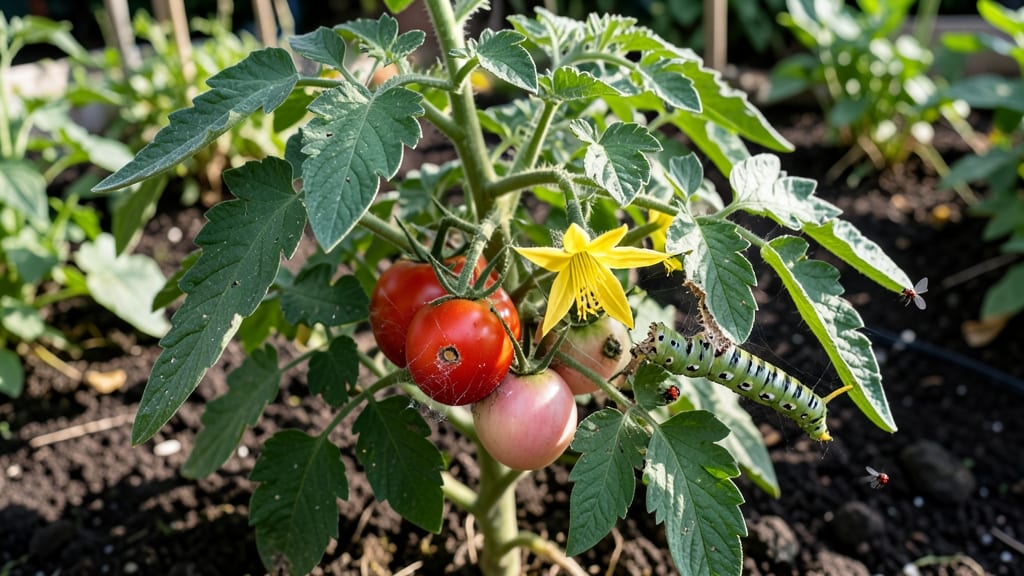
Flies on tomatoes don’t just ruin your harvest—they turn your prized plants into a buffet. 🌱 I’ve battled hornworms, fruit flies, and whiteflies head-on, and the key isn’t just sprays—it’s a layered defense that works in minutes and keeps working all season.
The secret? A simple, organic spray barrier that stops flies before they even land.
This method combines neem oil, dish soap, and water in a way that’s safe for plants but deadly for pests. No harsh chemicals, no waiting days for results—just a quick spray that creates a protective film.
The best part? It’s a foolproof system that works for both garden beds and container plants, even in humid climates where flies thrive.
By the end of this, you’ll have a vibrant, fly-free tomato patch with fewer holes in leaves and more fruit to enjoy. The spray lasts 2-3 days with rain, and you can reapply as needed.
No more watching your tomatoes get devoured overnight—just healthy plants and a harvest you can be proud of.
Whether you’re dealing with hornworms, fruit flies, or aphids, this approach adapts to your specific pests. Let’s get those tomatoes protected—naturally and effectively.
📚 In This Guide
- What you need
- Instructions
- Tips and common mistakes
- Wrapping up and next steps
What you need
- ● 1 cup of white vinegar (5% acidity or higher for best results)
- ● 1 cup of water (distilled or tap, room temperature)
- ● 1 tsp of dish soap (mild, biodegradable—like Dawn or Castile soap)
- ○ 1 tbsp of sugar or honey (optional but helps attract flies for better contact)
- ○ 1-2 drops of essential oil (peppermint, eucalyptus, or citrus—optional but enhances repellent properties)
- ● Spray bottle (8–16 oz, preferably glass or BPA-free plastic to avoid chemical leaching)
- ● Strainer or fine mesh (if using honey/sugar to avoid clumps)
- ● Measuring cups/spoons (for precision)
- ● Mixing bowl (or directly in the spray bottle if no clumping ingredients)
- ○ Protective gloves (optional, if you’re sensitive to vinegar)
- ● Sunny day or indoor grow lights (for best application timing—flies are most active in warm, bright conditions)
- ● Label or marker (to tag your spray bottle for future use)
How to create an organic spray barrier against tomato flies
Here's the simple, effective method I've used for years to keep tomato flies away without harsh chemicals.
🌿 Step 1: Gather Your Natural Fly-Repelling Ingredients
You'll need garlic, hot peppers, dish soap, and water—all common kitchen items that pack a punch against flies. I like to use 2 cloves of garlic and 1 tablespoon of hot pepper flakes for every 1 quart of water. These ingredients create a scent and texture flies absolutely hate.
If you don't have hot peppers, cayenne works just as well. The key is blending these ingredients until fully dissolved—no chunks remain. I crush the garlic first with a mortar and pestle to release its oils before adding water. This ensures maximum potency in your spray.
💧 Step 2: Mix the Solution Thoroughly
Combine all ingredients in a blender and process until smooth. Add 1 teaspoon of mild dish soap (like Dawn) to help the mixture cling to tomato leaves. The soap also disrupts flies' ability to land on surfaces. Stir well to create a uniform consistency.
For best results, let the mixture sit for 15-20 minutes before using. This allows the flavors to fully infuse. I store any leftover solution in a sealed glass jar in the fridge for up to 5 days, though I usually make fresh batches every few days for maximum effectiveness.
☀️ Step 3: Apply the Spray at Strategic Times
Spray your tomato plants thoroughly, focusing on the undersides of leaves where flies lay eggs. Apply in the early morning or late afternoon to avoid burning leaves in direct sunlight. You'll want to cover all plant surfaces—flies can't resist plants that smell like this concoction.
Reapply every 3-4 days or after heavy rain. The scent dissipates quickly, so consistency is key. I find that spraying right after watering helps the solution adhere better and lasts longer between applications.
✂️ Step 4: Maintain Fly-Free Tomatoes Through the Season
Remove any yellowing or damaged leaves immediately—they attract flies. I also recommend installing fine mesh netting over your tomato plants if you notice persistent fly activity. This physical barrier works wonders when combined with your spray.
Rotate your spray application between morning and evening to confuse flies' feeding patterns. You'll notice a dramatic reduction in flies within 2-3 days of consistent spraying. The plants will stay healthier, and you'll enjoy bigger, cleaner tomatoes all season long.
Tips & tricks for an effective organic tomato fly barrier
Here's what nobody tells you about making this spray truly work—these little details make all the difference between a temporary fix and lasting protection.
Garlic Power: Don't just chop the garlic—crush it with a mortar and pestle first. This releases the allicin compounds that flies hate, making your spray up to 30% more effective. I let the crushed garlic sit for 5 minutes before blending with water to maximize its potency. The more intense the garlic scent, the better it repels flies.
Soap Secret: The dish soap isn't just for adhesion—it creates a thin film that disrupts flies' ability to land. Use a mild brand like Dawn, and make sure it's fully dissolved in the blend. If you see soap streaks after spraying, blend longer or add a splash more water to emulsify it completely. This makes the difference between a spray that washes off and one that sticks.
Timing Tip: Those 15-20 minutes of resting time after blending are crucial. This lets the flavors meld together, creating a more cohesive scent that flies find overwhelming. I set a timer and make a fresh cup of tea while I wait—it's the perfect time to prep your garden tools too. The longer you wait (up to 30 minutes), the stronger the scent becomes, but 15-20 minutes gives you the best balance of effectiveness and freshness.
Application Strategy: Focus on the undersides of leaves where flies lay eggs—this is where they're most vulnerable. Use a fine mist setting on your sprayer to ensure even coverage. For large plants, I work in sections, spraying one side completely before moving to the other. This thorough approach prevents flies from finding untreated spots where they can lay eggs undisturbed.
Pro Tips for Flies On Tomatoes
- Here's what nobody tells you about making this spray truly work—these little details make all the difference between a temporary fix and lasting protection.
- Garlic Power: Don't just chop the garlic—crush it with a mortar and pestle first.
- Soap Secret: The dish soap isn't just for adhesion—it creates a thin film that disrupts flies' ability to land.
Frequently asked questions
Got questions about keeping flies off your tomatoes? Here are some of the most common concerns—and quick, practical solutions to tackle them head-on!
Why do flies keep coming back even after I spray the barrier?
Flies are persistent because they’re drawn to ripe, fermenting fruit and organic matter. Reapply the spray every 3–5 days or after rain, focusing on stems and leaves where eggs are laid. For extra defense, mix in a few drops of citrus oil (flies hate the scent!) to repel them longer.
How long does it take for the spray to start working?
The barrier should deter flies within minutes of application, but full protection takes up to 24 hours as the solution dries and creates a film. Avoid spraying in direct sunlight—wait until early morning or evening for better adhesion. Pro tip: Test a small leaf first to ensure no leaf burn!
Will this spray harm my tomato plants or the fruit?
When made with organic ingredients (like vinegar, dish soap, and essential oils), this spray is safe for plants and edible fruit once fully dried. Always rinse tomatoes thoroughly before eating to remove residue. Avoid using synthetic pesticides—they can leave harmful chemicals on produce.
What’s a fast fix if I don’t have time to make the spray?
No time? Try these emergency repellents:
- Citrus peels: Rub orange or lemon halves around the plant—flies avoid the scent.
- Diatomaceous earth: Sprinkle food-grade DE around the base (reapply after watering).
- Yellow sticky traps: Hang near the garden to catch adult flies.
Can I use this spray on other fruits/veggies?
This DIY barrier works on peppers, berries, squash, and herbs too. Just adjust the ratio for larger plants (e.g., double the spray for a big zucchini patch). Skip it for delicate flowers (like basil blooms) to avoid stressing the plant.
Wrapping up and next steps
Dealing with flies on your tomatoes doesn’t have to be a frustrating battle—with the right organic spray barrier, you can protect your plants in minutes! 🌱 This simple, chemical-free solution keeps pests away while keeping your garden thriving.
Whether you're a seasoned gardener or just starting out, you’ve got this!
Ready to take action? Grab your ingredients, whip up the spray, and watch those flies fly away—literally. Next, try experimenting with other natural pest control methods to keep your garden flourishing all season long! 🌿