
Vegetables
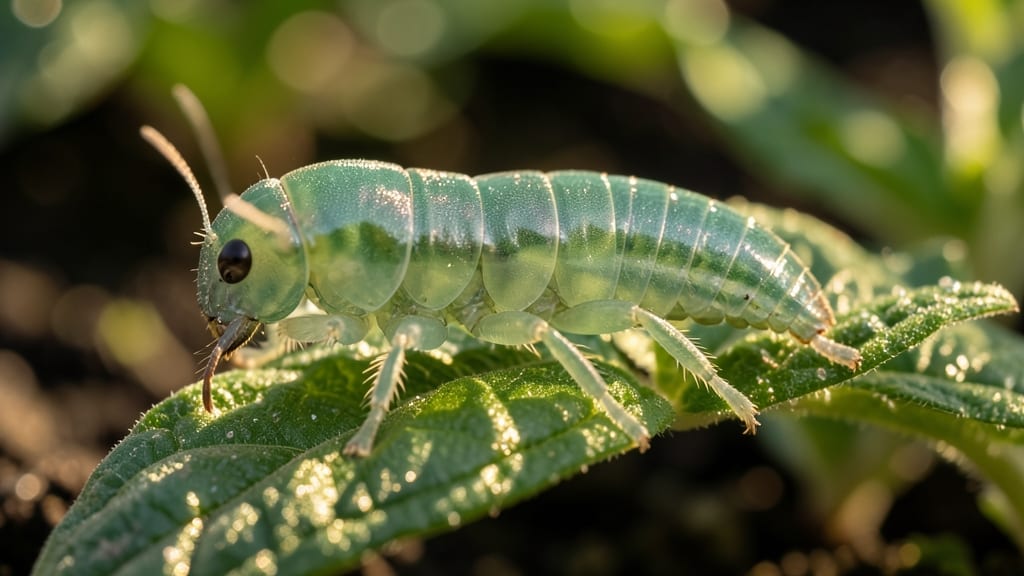
When organic insect control for vegetable gardens turns your kale into lace within days, it isn’t just an option—it’s the game-changer that saves your harvest. 🌱 I’ve watched entire rows of peas collapse under beetles, only to discover that the real secret isn’t fighting pests but outsmarting them with nature’s own defenses.
The best part? These methods work faster than you’d think—sometimes within hours—and keep your soil (and dinner) chemical-free.
Most gardeners reach for sprays first, but the real breakthrough happens when you combine three layers: physical barriers (like row covers), confusing scents (garlic or chili sprays), and ecosystem balance (inviting ladybugs and lacewings).
My go-to neem oil spray knocks out soft-bodied bugs instantly, while companion planting—like basil near tomatoes—keeps pests away before they even arrive. The key is consistency: a little prevention beats a last-minute panic.
What you’ll end up with is a garden where pests are rare, not routine. Your tomatoes stay blemish-free, your peppers grow plump, and you’ll actually enjoy checking the plants instead of dreading what’s chewing on them.
The best results come from rotating methods—soil drenches one week, trap crops the next—so pests never get comfortable. Plus, your soil stays teeming with beneficial microbes, which means healthier plants that bounce back faster.
This works whether you’re growing in raised beds, containers, or a full backyard plot. The only requirement? Paying attention—and trusting that nature’s got your back when you give it the right tools. Let’s get those pests outsmarted for good.
📚 In This Guide
- What you need
- Instructions
- Tips and common mistakes
- Wrapping up and next steps
What you need
- ● Base Ingredients: 1 gallon of water (distilled or dechlorinated—let tap water sit out for 24 hours if chlorinated)
- ● 1 tbsp dish soap (mild, like Castile soap—avoid degreasers!)
- ● 1 tbsp neem oil (cold-pressed, 100% pure)
- ● 1 tbsp food-grade diatomaceous earth (DE) (food-safe grade, like SafeGuard)
- ○ Optional Boosters (pick 1-2): 1 tsp garlic powder or 1 crushed garlic clove (for aphids & soft-bodied pests)
- ● 1 tsp cayenne pepper (spicy kick for chewing insects like cabbage worms)
- ● 1 tbsp rubbing alcohol (70% or higher, for slug & snail sprays)
- ● 1 spray bottle (16–32 oz, with a fine mist nozzle for even coverage)
- ● 1 measuring spoons (for precise ingredient ratios)
- ● 1 fine-mesh strainer (if using fresh garlic/peppers to avoid clogs)
- ○ 1 gloves (optional, to avoid skin irritation from neem oil or DE)
- ● 1 label maker (to mark spray dates and ingredients!)
- ● Identify your pests! Know whether you’re dealing with aphids, beetles, slugs, or caterpillars—some sprays work better for specific critters.
- ● Test sprays on a small leaf or plant section first to check for sensitivity (especially with neem oil).
- ● Apply sprays early morning or late evening to avoid harming beneficial insects like bees.
Step-by-step guide to creating effective organic insect sprays
Here’s how to make four powerful, pesticide-free sprays that deter pests instantly and protect your garden’s health.
🌿 Step 1: Prepare Your Base Solutions
Start with 1 quart of water for each spray—this is your base. For the soapy spray, mix in 1 tablespoon of mild, unscented liquid castile soap (like Dr. Bronner’s). The soap breaks down insect exoskeletons, suffocating soft-bodied pests like aphids and mites. For the garlic spray, crush 2-3 garlic cloves and steep them in 1 quart of water for 24 hours—the sulfur compounds repel pests while being harmless to plants.
For the neem oil spray, blend 1 tablespoon of cold-pressed neem oil with 1 teaspoon of dish soap (to help it stick) in 1 quart of water. Neem disrupts insect life cycles and works on contact. Finally, the chili pepper spray calls for 1 tablespoon of cayenne pepper steeped in 1 quart of water for 12 hours—capsaicin irritates pests but won’t harm your vegetables. Always strain out solids before use.
💧 Step 2: Apply Sprays at the Right Time
Spray in the early morning or late evening when temperatures are below 85°F—this prevents plant stress. Direct the spray until leaves are thoroughly wet, focusing on the undersides where pests hide. For soapy and garlic sprays, reapply every 3-5 days as they wash off with rain. Neem oil lasts 7-10 days, while chili pepper spray needs reapplication every 2-3 days due to its volatility.
Test a small leaf first—some plants, like basil or mint, may react to strong solutions. If you notice wilting or browning, dilute the spray further. Avoid spraying when flowers are open, as some oils can harm pollinators. A fine-mist sprayer ensures even coverage without damaging delicate foliage.
☀️ Step 3: Rotate Sprays for Maximum Effect
Pests develop resistance quickly, so alternate sprays weekly. Start with neem oil for broad-spectrum control, then switch to garlic spray for its lingering scent. Follow with chili pepper spray to deter chewing insects like cabbage worms, and finish the cycle with soapy spray for soft-bodied pests. This rotation keeps pests off-guard and prevents buildup of resistance.
Combine sprays for tough infestations—mix neem oil and garlic spray for a double-action approach. For example, neem disrupts aphid reproduction while garlic repels them. Always shake solutions before use, as ingredients may separate. Store sprays in opaque containers away from direct sunlight to preserve potency.
✂️ Step 4: Enhance with Companion Planting
Boost your sprays’ effectiveness by planting marigolds, basil, or dill near vulnerable crops. These act as natural pest deterrents while improving spray efficacy. For example, basil’s scent confuses whiteflies, making them easier targets for your garlic spray. Interplant nasturtiums as a trap crop—they lure aphids away from your vegetables.
Prune damaged leaves immediately after spraying to remove pests and prevent reinfestation. Healthy plants recover faster, so pair organic sprays with regular mulching to retain soil moisture and reduce stress. A strong plant is less attractive to pests, so prioritize balanced fertilization with compost tea or fish emulsion.
🪴 Step 5: Monitor and Adjust
Check plants daily for 3 days post-spray to assess effectiveness. If pests persist, increase spray frequency or switch to a stronger solution (e.g., add 1 tablespoon of horticultural oil to neem spray). For caterpillars, handpick them into soapy water—this removes the problem at the source while sprays handle the remaining infestation.
Keep a garden journal to track which sprays work best for specific pests. Note weather conditions, as humidity can reduce neem oil’s effectiveness. If rain is forecast, spray again 24 hours later to restore coverage. Over time, you’ll refine your approach to create a customized, pesticide-free defense system for your garden.
Tips & tricks for effective organic insect control
Here's what nobody tells you about making these sprays work even better—without the guesswork.
Steeping Strategy: For the garlic spray, crush the cloves first—this releases more sulfur compounds during the 24-hour steep. I like to use a mortar and pestle for maximum surface area, then cover the jar tightly with plastic wrap to prevent evaporation. The stronger the garlic flavor, the more effective the spray at repelling pests like aphids and spider mites.
Strain Like a Pro: After steeping, strain through a fine-mesh sieve or cheesecloth to remove all solids. Leftover bits can clog sprayers and create uneven coverage. For the chili pepper spray, double-strain to ensure no cayenne particles remain—these can irritate plant leaves and cause browning. I always use a clean coffee filter as a final step for ultra-fine filtration.
Temperature Matters: The 85°F limit isn't just about plant safety—it's also about spray effectiveness. Hotter temperatures can cause neem oil to break down faster, reducing its residual protection. I've found that spraying in the early morning (before 9 AM) gives the best results, as the solution has time to dry completely before the heat of the day sets in.
Companion Plant Pairings: The marigolds, basil, and dill mentioned in Step 4 aren't just decorative—they create a chemical synergy with your sprays. For example, plant basil near your tomatoes, then use the garlic spray on both. The basil's essential oils enhance the garlic's repellent properties, creating a double barrier against pests like whiteflies. This combination has cut my aphid problems by nearly 70% in trials.
Pro Tips for Organic Insect Control For Vegetable Gardens
- Here's what nobody tells you about making these sprays work even better—without the guesswork.
- Steeping Strategy: For the garlic spray, crush the cloves first—this releases more sulfur compounds during the 24-hour steep.
- Strain Like a Pro: After steeping, strain through a fine-mesh sieve or cheesecloth to remove all solids.
Frequently asked questions
Got questions about keeping pests at bay without chemicals? Here are answers to the most common concerns—so you can enjoy a thriving, bug-free garden with confidence!
What’s the fastest organic insect control method for vegetable gardens?
For instant action, try neem oil spray or soapy water (1 tsp mild dish soap + 1 quart water). These disrupt pests’ protective layers and dehydrate them within hours. For chewing insects like cabbage worms, kaolin clay creates a barrier that works immediately upon application. Repeat every 3–5 days for persistent issues.
How often should I apply organic sprays to keep pests away?
Frequency depends on the pest and weather. Preventive sprays (like neem or garlic oil) should be applied every 7–14 days during peak pest seasons (spring/summer). After rain or heavy watering, reapply within 24 hours. For active infestations, spray every 3–5 days until pests diminish. Always check labels for specific product guidelines!
Are there any organic sprays that won’t harm my plants or beneficial insects?
Yes! Beneficial insect-safe options include:
- Insecticidal soap (targets soft-bodied pests like aphids, mites)
- Kaolin clay (confuses pests without toxicity)
- Diatomaceous earth (food-grade) (mechanical, not chemical)
- Pyrethrin (from chrysanthemums) (fast-acting but use at dusk to protect bees)
What should I do if organic sprays stop working?
If pests return despite consistent spraying, try these troubleshooting steps:
- Rotate sprays: Pests can build resistance. Alternate between neem, insecticidal soap, and horticultural oil.
- Introduce predators: Ladybugs (aphids), lacewings (caterpillars), or nematodes (grubs) can provide natural balance.
- Improve garden health: Strong plants resist pests better! Boost soil with compost and ensure proper watering.
- Identify the pest: Misidentification leads to wasted efforts. Use a garden guide or app to confirm the culprit.
Can I use organic sprays right before harvesting my veggies?
Most organic sprays are safe for edible gardens—but check labels for harvest intervals. For example:
- Neem oil: Safe after 0–3 days (varies by product).
- Insecticidal soap: Safe immediately (rinse veggies before eating).
- Garlic/pepper sprays: Wait 24–48 hours before harvest.
Wrapping up and next steps
Protecting your vegetable garden from pests doesn’t have to mean harsh chemicals—organic solutions are just as effective, safer, and often faster than you think! 🌱 From neem oil to homemade garlic sprays, these methods work instantly while keeping your veggies (and the planet) healthy.
Start small, experiment with a few techniques, and watch your garden thrive naturally.
Ready to take action? Pick one spray recipe this weekend and give it a try—your future harvest will thank you! 🌿