
Vegetables
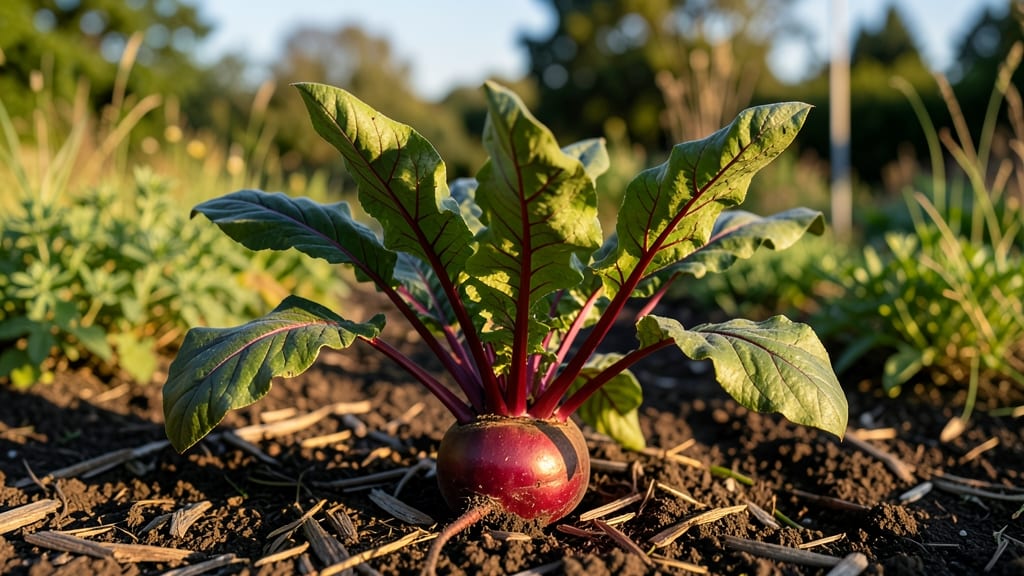
Growing Early Wonder beets means harvesting tender greens in just 30 days—long before most gardeners even think about pulling their first beet. This cold-hardy variety thrives where others fail, and its compact size makes it perfect for containers, small spaces, or early spring planting.
I’ve grown them in 5-gallon pots on a balcony, and they’ve never disappointed, even when temperatures dipped into the 30s°F.
The secret to success lies in loose, well-draining soil with a pH between 6.0 and 7.0, and planting seeds just ½ inch deep with 2 inches of spacing between them. Thin seedlings to 3 inches apart once they sprout—this prevents overcrowding and ensures plump roots.
Water consistently to keep soil moist but never soggy, and watch for bolt-resistant performance even when days lengthen. By week 6, you’ll be harvesting baby greens and small beets, or waiting another 2-3 weeks for full-sized roots.
The flavor is sweet, earthy, and far superior to store-bought varieties, with tender leaves that add a peppery kick to salads. Even in Zone 3, these beets handle light frosts, making them a reliable early-season crop.
For containers, use at least 6 inches of depth per plant, and avoid over-fertilizing—they prefer lean soil. If pests like leaf miners appear, handpick them early or use row covers to protect young plants. With this variety, failure isn’t an option—just consistency in care.
📚 In This Guide
- What you need
- Instructions
- Tips and common mistakes
- Wrapping up and next steps
What you need
- ● Early Wonder beet seeds – 1 packet (contains ~50-100 seeds, enough for 20-30 plants). Choose organic, non-GMO seeds for best results.
- ● Container or raised bed – At least 6 inches deep and 12 inches wide per plant (or a 5-gallon pot for 1-2 plants). Ensure drainage holes are present!
- ● High-quality potting mix – 10-20 lbs (sterile, well-draining blend with compost or aged manure). Avoid garden soil—it compacts easily in containers.
- ● Slow-release fertilizer – 5-10-10 or 10-10-10 (1 tbsp per plant at planting time). Look for organic options like fish emulsion or compost tea.
- ● Watering can or hose with a gentle spray nozzle – Beets need consistent moisture but hate soggy roots.
- ○ Garden gloves – Optional but recommended to protect your hands from thorns (yes, beets have them!).
- ● Row covers or frost cloth – If planting in early spring or fall (Early Wonders tolerate 25°F, but young seedlings need protection).
- ● Seed-starting kit – If you want to pre-sprout seeds indoors 4-6 weeks before the last frost (not required for direct sowing).
- ● Mulch (straw or shredded leaves) – 1-2 inches to retain moisture and suppress weeds.
- ● Epsom salt – 1 tbsp per gallon of water (sprayed on leaves) for a magnesium boost if leaves look yellow.
- ● Beet greens recipe inspiration – Because you’ll harvest both the roots and the tasty greens!
Step-by-Step guide to growing early Wonder beets in containers
Here's how to cultivate this cold-hardy variety with minimal fuss and maximum harvests.
🌱 Step 1: Prepare Containers and Soil Mix
Choose containers at least 12 inches deep with drainage holes—beets need room for their taproots to develop fully. I like 5-gallon buckets or 18-inch diameter pots for each plant, as they provide stability and prevent root binding. Fill each container with a loose, well-draining mix of 50% potting soil and 50% compost, then moisten it until it feels like a damp sponge—not soggy, but not dry.
The reason for this blend is that beets dislike compacted soil, which can cause deformities in their roots. Work the mix gently with your fingers to break up any clumps, ensuring the texture is airy enough for roots to spread. Avoid garden soil—it compacts too easily in containers and can harbor pests.
🌱 Step 2: Sow Seeds at the Right Depth and Spacing
Plant 3-4 seeds per container, spacing them 1 inch apart in a small cluster. Early Wonder beet seeds are tiny, so I use a toothpick to create shallow holes—about ½ inch deep—before dropping them in. Cover them lightly with soil, patting down just enough to secure them without burying too deeply.
Here's the thing—beets germinate best in consistent moisture but cool temperatures. Keep the soil surface damp (not wet) with a spray bottle until sprouts appear, which typically takes 7-14 days depending on your climate. If you're growing in early spring or fall, the cooler air speeds up germination—just don’t let the soil dry out.
☀️ Step 3: Provide Light and Thin Seedlings
Once seedlings emerge, place containers in a spot with full sun (6+ hours daily). Beets need bright light to develop sweet, tender roots, but they’re surprisingly cold-tolerant—you can even leave them outside in light frost if the soil isn’t frozen. If your summer heat exceeds 85°F, provide afternoon shade to prevent bolting (premature flowering).
When seedlings reach 2 inches tall, thin them to one strongest plant per container. Use scissors to snip the extras at soil level—this prevents disturbing the roots of the remaining plant. Water deeply after thinning to help the soil settle around the remaining seedling’s roots.
💧 Step 4: Water and Fertilize for Optimal Growth
Keep the soil evenly moist but not waterlogged—beets are prone to rot if their roots sit in soggy conditions. Water when the top inch of soil feels dry, which usually means every 2-3 days in warm weather or every 4-5 days in cooler seasons. I use a drip irrigation system or water at the base to avoid wetting the leaves, which reduces disease risk.
Feed with a balanced liquid fertilizer (10-10-10) every 4 weeks once the plants are established. Early Wonder beets are prolific growers, and they’ll reward you with harvest-ready roots in 50-60 days if given consistent care. Watch for yellowing leaves—this can signal overwatering or nutrient deficiency, so adjust accordingly.
✂️ Step 5: Harvest and Encourage Regrowth
Harvest when roots reach 1-1½ inches in diameter—this is the sweet spot for tender, flavorful beets. Grip the base of the plant firmly and twist gently to pull it free. Rinse off any soil, then store in the fridge for up to 2 weeks. The good news? Early Wonder beets often regrow from the crown after harvest, giving you multiple harvests per plant if you leave 1 inch of the top attached.
If you notice the greens getting too large or the roots becoming woody, it’s time to harvest fully. Cut the greens at the base and compost them—they’re edible but less tender than the roots. With proper care, each container can yield 3-4 harvests before the plant naturally declines.
Tips & tricks for perfect early Wonder beet container cultivation
These insider strategies will help you maximize your harvest while avoiding common container-gardening pitfalls with Early Wonder beets.
Container Depth Matters: While the instructions specify containers at least 12 inches deep, I recommend going deeper—16-18 inches if possible. This extra room prevents root binding and allows for multiple harvests per plant. If you're using 5-gallon buckets, you can actually nest two plants side-by-side in one container by dividing the space with a vertical partition made from old plastic bottles. This doubles your yield without increasing footprint.
Soil Texture Secret: The 50/50 potting soil to compost mix is perfect, but here's what nobody tells you—add 10% perlite or vermiculite to improve drainage and aeration. I sift this through the mix before planting to ensure even distribution. This prevents the dreaded "beet rot" that occurs when roots sit in soggy soil, while still maintaining moisture retention. For containers without drainage holes, add a 2-inch layer of coarse gravel at the bottom first.
Germination Hack: Those 7-14 days until sprouts appear can feel like forever! Speed up germination by soaking your seeds in warm water for 4-6 hours before planting. Place them in a damp paper towel in a sealed bag overnight—this mimics natural rainfall and triggers faster sprouting. Just make sure to plant them immediately after soaking so they don't dry out. The cooler temperatures mentioned in Step 2 actually work in your favor here—cooler soil (60-65°F) prevents mold growth while seeds germinate.
Light Management Strategy: The 6+ hours of full sun requirement is non-negotiable for sweet flavor development, but here's how to handle less-than-ideal conditions. If your space only gets 4-5 hours of direct sun, supplement with a grow light for 2-3 additional hours daily. Position the light 6-12 inches above the plants to prevent legginess. For summer heat above 85°F, I use a shade cloth that blocks 30-50% of sunlight during peak afternoon hours—this prevents bolting while still providing enough light for growth.
Pro Tips for Early Wonder Beets
- These insider strategies will help you maximize your harvest while avoiding common container-gardening pitfalls with Early Wonder beets.
- Container Depth Matters: While the instructions specify containers at least 12 inches deep, I recommend going deeper—16-18 inches if possible.
- Soil Texture Secret: The 50/50 potting soil to compost mix is perfect, but here's what nobody tells you—add 10% perlite or vermiculite to improve drainage and aeration.
Frequently asked questions
Got questions about growing Early Wonder beets? You’re not alone! Here are answers to the most common queries—from timing to troubleshooting—to help you grow this cold-hardy variety like a pro.
When is the best time to plant Early Wonder beets?
Plant Early Wonder beets 2–4 weeks before your last frost in spring or 60–90 days before the first fall frost for a second harvest. These beets thrive in cool weather (50–80°F) and can even handle light frosts—perfect for early or late-season planting! Start seeds indoors 4–6 weeks before transplanting if your growing zone has a short season.
How long does it take for Early Wonder beets to mature?
Expect a harvest in 50–60 days for baby beets or 60–70 days for full-sized roots. Check soil moisture and size (about 1–2 inches in diameter) to pull them when ready. For continuous harvests, sow seeds every 2–3 weeks—they’re fast-growing and reliable!
Can I grow Early Wonder beets in containers?
These beets are container-friendly—just use a pot at least 6 inches deep with well-draining soil. Plant 2–3 seeds per container, thin to one, and ensure pots get 6+ hours of sunlight daily. Containers help prevent bolting in hot weather, making them ideal for balconies or small spaces.
Why are my Early Wonder beets bolting or turning bitter?
Bolting (premature flowering) or bitterness usually happens when beets experience heat stress (above 80°F) or drought. To fix it:
- Provide consistent moisture (1–1.5 inches per week).
- Use shade cloth in peak summer heat.
- Harvest younger beets (30–40 days) for milder flavor.
Are Early Wonder beets sweeter than other varieties?
Yes! Early Wonder beets are prized for their sweet, tender roots and tender greens, especially when harvested young. Their cylindrical shape and thin skin make them easier to peel and cook than globe beets. For extra sweetness, grow them in cooler weather and avoid over-maturing.
Wrapping up and next steps
Growing Early Wonder beets is your ticket to a foolproof, cold-hardy harvest—perfect for small spaces and beginner gardeners! 🌱 These vibrant roots thrive in containers, resist frost, and deliver sweet, tender rewards with minimal fuss.
Whether you're a city dweller with a balcony or a rural homesteader, their adaptability makes them a must-try for any garden.
Ready to dig in? Start by gathering your supplies, then plant your seeds with confidence—your future salads (and bragging rights!) are just a few weeks away. Happy growing! 🌿