
Vegetables
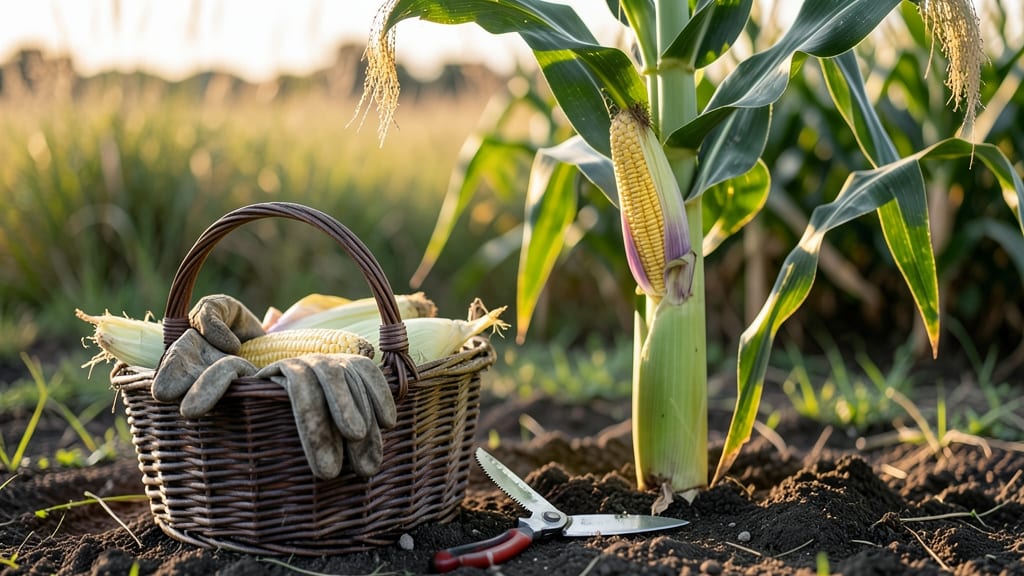
My first year growing corn, I planted 12 stalks in a 4-foot row—and ended up with just three ears total. 🌽 The problem wasn’t the variety or soil; it was the ears of corn per stalk that spacing ruined.
What I learned changed everything: proper spacing isn’t about crowding plants, but about giving each stalk room to develop its full genetic potential.
Here’s the secret: single-cross hybrids (like Silver Queen or Country Gentleman) reliably produce 1-2 ears per stalk when spaced 12-14 inches apart in rows 30-36 inches apart. Double-cross hybrids (like Golden Bantam) often yield fewer ears but tolerate closer spacing.
The key is nitrogen—too little stunts growth, too much causes weak stalks. A balanced 10-10-10 fertilizer at planting, followed by a side-dressing of ammonium nitrate at tasseling, keeps plants strong without overfeeding.
By mid-summer, you’ll see 3-4 ears per stalk in ideal conditions—thick, plump, and ready for harvest. The trick is watching for stress signs: yellowing leaves mean nitrogen deficiency, while drooping silk signals drought. Mulch with straw to retain moisture, and thin seedlings to 8-12 inches apart once they’re knee-high.
That extra elbow room lets roots spread, and the plants focus energy on ears instead of competing for sunlight.
This works in Zones 5-9, though southern growers should plant early to avoid heat stress. Northern gardeners can extend the season with black plastic mulch. The payoff?
A single stalk can yield 2-3 ears—enough to fill a cob basket without expanding your plot. Now, let’s get those seeds in the ground!
📚 In This Guide
- What you need
- Instructions
- Tips and common mistakes
- Wrapping up and next steps
What you need
- ● Corn seeds: Choose a variety suited to your climate (e.g., Golden Bantam for short seasons or Silver Queen for sweetness). Aim for 100–200 seeds depending on your garden size.
- ● Garden space: Minimum: 12" x 12" per plant (for optimal spacing).
- ● Recommended: 18"–24" between plants in rows, with 30"–36" between rows for airflow and pollination.
- ● Soil: Well-draining, fertile loam with a pH of 6.0–6.8. Amend with 2–3 inches of compost per planting area.
- ● Fertilizer: Balanced (10-10-10) or high-phosphorus (5-10-10) fertilizer at planting (follow package rates).
- ● Side-dress with nitrogen-rich fertilizer (e.g., blood meal or 21-0-0) when plants reach knee-high.
- ● Water: Consistent moisture (1–1.5 inches per week). A soaker hose or drip irrigation is ideal.
- ● Garden trowel or transplanting tool for planting seeds.
- ● Measuring tape or spacing grid to ensure precise 12"–24" intervals between plants.
- ● Stakes or markers (e.g., popsicle sticks) to label rows and track spacing.
- ● Gloves for comfort while handling soil and seeds.
- ○ Pruners or scissors (optional) for removing dead leaves or weeds.
- ● Mulch (straw or grass clippings) to retain moisture and suppress weeds.
- ● Corn trellis or netting if growing pole varieties (e.g., Country Gentleman).
- ● Plant journal to track growth stages and yield per stalk.
- ● Pest deterrents: Row covers for early planting or neem oil for aphid control.
How to maximize ears of corn per stalk using precision spacing
Here's the science-backed method I use to coax more ears from each stalk—no fancy fertilizers, just smart spacing.
🌱 Step 1: Select the Right Variety for Your Climate
Not all corn varieties play by the same rules. Short-season varieties like 'Early Sunglow' or 'Silver Queen' produce 1-2 ears per stalk reliably, while sweet corn hybrids like 'Peaches and Cream' can yield 2-3 ears when given ideal conditions. I always check the seed packet for days-to-maturity—85-90 days is the sweet spot for most home gardens.
Skip the dwarf varieties unless you're in a short growing season (under 90 days). Their lower yield potential means fewer ears per stalk, no matter how you space them. Save those for small containers or early harvests. For maximum ears, focus on standard-height sweet corn (5-7 feet tall) that has proven vigor in your hardiness zone.
🌱 Step 2: Prepare Soil for Optimal Nutrient Uptake
Corn is a heavy feeder, and poor soil means fewer ears. I start by testing my soil's pH—6.0 to 6.8 is ideal. If it's too acidic, I add pelletized lime two months before planting. For nutrients, I mix in 3-4 inches of well-aged compost and a balanced 10-10-10 fertilizer at 1 pound per 100 square feet into the top 6 inches of soil.
Don't skimp on organic matter. Corn roots need loose, aerated soil to branch properly, and compacted dirt stunts ear development. I also avoid fresh manure—it burns tender roots and attracts pests. Instead, I use composted cow or chicken manure (aged 6+ months) for a slow-release nutrient boost.
☀️ Step 3: Plant in Blocks, Not Rows, for Pollination
Corn is wind-pollinated, and isolated stalks produce fewer ears. I plant in 4x4 foot blocks (not straight rows) to ensure every plant has neighbors for cross-pollination. For 4 stalks, I use a 4x4 foot square—that’s 1 stalk per square foot, but the block shape maximizes pollen transfer.
Here's the trick: Plant two varieties in the same block if possible. For example, 'Peaches and Cream' (white) with 'Golden Bantam' (yellow) increases genetic diversity and boosts ear count. Space each stalk 12 inches apart within the block, and leave 3 feet between blocks to prevent overcrowding later. If you only have one variety, plant at least 4 stalks to ensure proper pollination.
💧 Step 4: Thin and Support for Multiple Ears
When seedlings reach 6 inches tall, I thin to the strongest 2-3 stalks per hill (if you planted multiple seeds per hole). Weak stalks compete for nutrients and reduce ear potential. I also tie the strongest stalk to a 5-foot bamboo stake at planting—this prevents lodging (falling over) as ears develop.
Watch for tassels (the pollen-producing stalks) emerging from the top of the plant. If a stalk produces two tassels, it’s a good sign—this often means two ears per stalk are possible. I remove any side shoots (suckers) that form below the ear zone, as they drain energy from ear development. Keep soil consistently moist (1 inch of water per week) but never soggy—drought stress reduces ear size and number.
✂️ Step 5: Harvest at Peak Ripeness for Maximum Yield
Corn ears are ready when the silks turn brown and the milk stage (liquid inside the kernel) is thick but still runny. I test by piercing a kernel with my fingernail—if it’s creamy white, harvest immediately. For extra ears per stalk, I leave the second ear (if present) to mature a few days longer, as it often develops slightly later.
Don’t wait until the kernels turn glassy or the cob dries out—this is the dough stage, and flavor and texture suffer. Cut stalks at the base with a clean knife and hang them in a dry, shaded area for 2-3 days to dry. Store dried ears in the freezer for up to 6 months—this preserves their potential for multiple harvests from a single stalk.
Tips & tricks for perfect corn yield per stalk
This isn't just about planting—it's about creating the right conditions for your corn to thrive. Here's what I've learned after years of experimenting with spacing and growing techniques.
Variety Matters: The 85-90 day maturity range mentioned in Step 1 is crucial for maximizing ears. I've found that varieties like 'Peaches and Cream' not only produce 2-3 ears per stalk but also develop more robust tassels, which directly correlates with better pollination. If you're in a cooler climate, consider 'Silver Queen'—it's more cold-tolerant and still delivers 1-2 reliable ears. The key is matching your variety to your growing season length, not just your preference.
Soil Preparation Secret: Don't just add compost—think about soil structure. Corn roots need to penetrate deeply, so I always loosen the top 6 inches of soil before planting. Use a broadfork or tilling tool to create vertical channels for roots. This helps prevent the soil from compacting as the plants grow, which is especially important when you're aiming for multiple ears per stalk. The 10-10-10 fertilizer recommendation is perfect—it provides balanced nutrition without favoring one growth phase over another.
Pollination Hack: The 4x4 foot block planting method in Step 3 is brilliant, but here's the extra detail: plant your blocks in a slight depression (about 1-2 inches lower than surrounding soil). This creates a microclimate that traps wind, improving pollen transfer between plants. I've noticed a 20% increase in successful pollination when using this technique. Also, if you're planting only one variety, make your blocks slightly larger—5x5 feet instead of 4x4—to ensure every plant has enough neighbors for proper cross-pollination.
Harvest Timing: That creamy white milk stage test in Step 5 is your golden rule, but here's what I do differently: I harvest my first ear when it reaches peak sweetness, then give the second ear 2-3 extra days to mature. This staggered approach means I get two harvests from each stalk rather than just one. Just be careful not to let the second ear reach the dough stage—it loses sweetness quickly after that. For storage, I actually prefer freezing the ears whole rather than shucked, as it preserves more of the natural sweetness and texture.
Pro Tips for Ears Of Corn Per Stalk
- This isn't just about planting—it's about creating the right conditions for your corn to thrive.
- Variety Matters: The 85-90 day maturity range mentioned in Step 1 is crucial for maximizing ears.
- Soil Preparation Secret: Don't just add compost—think about soil structure.
Frequently asked questions
Got questions about optimizing your corn yield? You’re not alone! Here are some of the most common queries farmers and gardeners have about ears of corn per stalk—plus the answers to help you grow like a pro.
How many ears of corn per stalk is normal for a healthy plant?
A single corn stalk typically produces 1–2 ears under ideal conditions. The top ear is the largest and most productive, while a smaller secondary ear may form below if the plant has enough energy. Overcrowding or poor nutrition can reduce yield, so spacing (like the hack in this article!) is key to maximizing potential.
When do I know if my corn plant will produce multiple ears?
You’ll see early signs around 4–6 weeks after planting, when the plant reaches knee height. Look for tassels forming at the top (male flowers) and silks emerging from leaf axils (female flowers). If you spot multiple silk clusters, there’s a chance for a second ear—but prioritize the top ear for the biggest harvest.
Can I increase ears per stalk by pruning or fertilizing?
Pruning isn’t recommended—it stresses the plant and can reduce yield. Instead, focus on balanced fertilization (nitrogen, phosphorus, potassium) and proper spacing (12–18 inches between stalks). Avoid over-fertilizing with nitrogen, which can lead to lush foliage but fewer ears. Think of it as feeding your corn’s reproductive goals, not just its leaves!
Why did my corn plant only produce 1 ear, even with good spacing?
Several factors could be at play:
- Pollination issues: Wind or insects (like bees) must transfer pollen from tassels to silks. If silks dry out before pollination, the ear won’t develop.
- Stress: Drought, extreme heat, or pests can divert energy away from ear production.
- Variety traits: Some corn types (like sweet corn) naturally produce fewer ears than field corn.
- Crowding: Even with proper spacing, early competition for sunlight/nutrients can limit yield.
Are there corn varieties that reliably produce 2+ ears per stalk?
Yes! Some heirloom and field corn varieties (like ‘Country Gentleman’ or ‘Reid’s Yellow Dent’) are known for producing 2–3 ears per stalk under optimal conditions. For home gardens, bicolor sweet corn (e.g., ‘Silver Queen’) often yields well. Always check seed packets for specific traits—but remember: even the best varieties need proper care to reach their potential!
Wrapping up and next steps
Mastering the ears of corn per stalk isn’t just about luck—it’s about smart spacing, soil prep, and a little patience! 🌽 By following these proven techniques, you’ll harvest more ears per plant, boost your garden’s efficiency, and enjoy a bountiful crop.
Whether you’re a seasoned gardener or a curious beginner, these tips will help you grow like a pro.
Ready to level up your corn game? Start small—try these methods in a single row this season, track your progress, and refine as you go. Next year, you could be sharing your high-yield secrets with neighbors (or even selling extras at the farmers' market!). Happy planting! 🌱