
Vegetables
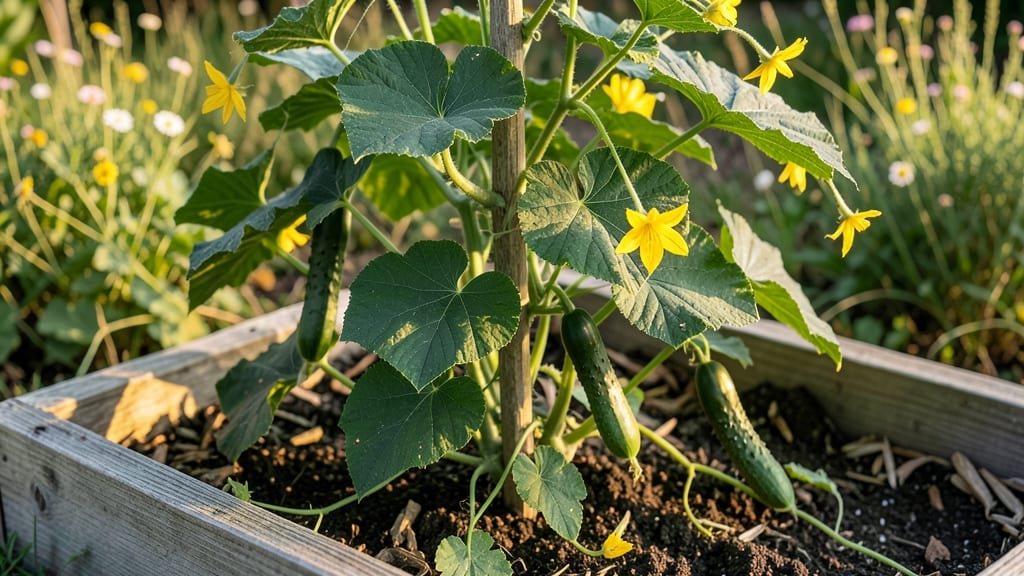
Understanding the cucumber growth cycle turns first-time gardeners into harvest pros. 🌱 From seed to slicing, this 3-stage timeline explains exactly when to expect sprouts, vines, and fruit—plus how to keep each phase thriving without guesswork.
The magic starts with germination (5-10 days), where warm soil and consistent moisture trigger those first pale shoots. Most beginners overwater here, drowning seeds instead of coaxing them. I learned that trick after killing my first batch—now I use a spray bottle for gentle hydration.
Once vines take off, you’ll see flowering in 3-4 weeks, followed by fruit formation. The key? Hand-pollinate female flowers (the ones with tiny cucumbers behind them) to guarantee harvests. My best tip: Prune aggressively to focus energy on fruit, not endless vines.
By week 6, you’ll have harvest-ready cucumbers—but timing matters. Pick when they’re firm and bright green, or they’ll turn bitter. This cycle repeats all season, so plan for continuous planting every 2 weeks.
📚 In This Guide
- What you need
- Instructions
- Tips and common mistakes
- Wrapping up and next steps
What you need
- ● Cucumber seeds or seedlings: Choose disease-resistant varieties (e.g., 'Straight Eight,' 'Marketmore,' or 'Armenian'). Quantity: 3–5 seeds per hill or 1 seedling per container.
- ● Growing medium: Soil: Well-draining, fertile garden soil with a pH of 6.0–6.8. Add compost or aged manure (1–2 cups per planting hole).
- ● Containers: 5-gallon pots or larger (minimum 12-inch depth) with drainage holes. Use a potting mix blended with perlite or vermiculite.
- ● Fertilizer: Balanced fertilizer: 10-10-10 or 5-10-10 (start with 1 tbsp per plant at planting).
- ● Organic options: Fish emulsion, worm castings, or compost tea (every 2–3 weeks after flowering).
- ● Watering supplies: Drip irrigation system (recommended) or a watering can with a rose attachment.
- ● Mulch (straw or black plastic) to retain moisture and suppress weeds.
- ● Planting tools: Trowel or transplanting spade.
- ● Garden gloves (to protect your hands from prickly vines!).
- ● Support structures: Trellis or cages: 4–6 ft tall (for vining varieties like 'Straight Eight').
- ● String or twine: If DIY-ing a trellis.
- ● Pruning shears: For trimming excess leaves or vines (sterilize with rubbing alcohol between uses!).
- ● Harvesting tools: Sharp knife or pruning shears (for clean cuts).
- ● Climate: Cucumbers thrive in warmth (70–90°F). Start seeds indoors 2–3 weeks before the last frost date or plant outdoors after soil reaches 60°F+.
- ● Sunlight: Full sun (6–8 hours daily). Partial shade may reduce yields.
- ● Space: In-ground: 2–3 ft between plants, 3–5 ft between rows.
- ● Containers: At least 12 inches of space per plant.
- ○ Optional (but helpful!): Row covers (to protect seedlings from pests or cold snaps).
- ● pH test kit (to monitor soil acidity).
- ● Growth regulator (e.g., seaweed extract) for bushier plants.
Understanding the cucumber growth cycle: key stages for optimal development
Here's how to time your care perfectly—each stage demands a different approach.
🌱 Stage 1: Germination and Seedling Establishment (0-14 Days)
Cucumber seeds germinate best in warm soil between 70-90°F, so I always preheat seed beds or use black plastic mulch to raise soil temperatures. Plant seeds ½ inch deep and space them 1-2 inches apart—they'll thin naturally as they grow. Water gently after planting to settle the soil without disturbing seeds.
Keep the soil consistently moist but never soggy during germination. You'll see first true leaves (not the initial seed leaves) appear in 5-10 days. This is when you can remove weaker seedlings, leaving the strongest 3-4 inches apart. Avoid fertilizing now—young roots are sensitive, and excess nutrients can burn them.
☀️ Stage 2: Vegetative Growth and Vining (15-45 Days)
Once seedlings have 4-5 true leaves, they enter rapid vine growth. This is when you'll need to provide support structures—whether trellises, cages, or stakes—because cucumbers grow 6-12 feet long if left unchecked. Train vines early to avoid tangled, disease-prone plants.
During this phase, cucumbers need 1-2 inches of water per week, delivered at the base to prevent fungal diseases. You'll notice male flowers appear first, followed by female flowers (identifiable by tiny cucumbers forming at their base). This is also when to start side-dressing with compost or a balanced 10-10-10 fertilizer to fuel vine development.
🌿 Stage 3: Flowering, Fruit Set, and Harvest (45-70 Days)
The transition to flowering marks the most critical stage. Female flowers need hand pollination if bees are scarce—gently tap them with a small brush or your finger to release pollen. Once fruit sets, you'll see small cucumbers appear within 3-5 days. Harvest when they reach 6-8 inches long for best flavor, or let them mature longer for slicing varieties.
Continue watering deeply 2-3 times per week, focusing on the root zone to prevent blossom-end rot. Prune yellowing leaves and overly vigorous side shoots to redirect energy to fruit production. The key here is consistency—cucumbers produce continuously, so regular harvesting encourages more flowers and fruit.
⏰ Stage 4: Maturity and Plant Care (70-90 Days)
As plants near the end of their cycle, you'll notice slower growth and fewer flowers. This is the time to reduce watering slightly and increase potassium (like banana peels or wood ash) to improve fruit quality. Harvest every 2-3 days to prevent overripe cucumbers from sapping the plant's energy.
Watch for powdery mildew or cucumber beetles—these pests thrive in late-season plants. Remove affected leaves immediately and apply neem oil if needed. When vines stop producing for 10-14 days, it's time to pull the plants, compost them, and prepare for the next cycle.
Tips & tricks for perfect cucumber development
Mastering the cucumber growth cycle means paying attention to details that make all the difference between a modest harvest and a bountiful one.
Soil Temperature Secrets: That 70-90°F range isn't just a suggestion—it's critical for germination. I've learned the hard way that cooler soils delay sprouting by days. Use a soil thermometer to verify temperatures, especially in spring or fall. If your soil runs cooler, try covering beds with clear plastic for a few days before planting to create a mini greenhouse effect.
Watering Wisdom: The 1-2 inches per week guideline is perfect, but timing matters just as much. Water deeply in the morning so foliage dries quickly, preventing fungal diseases. I use soaker hoses or drip irrigation to deliver water right at the root zone—this keeps leaves dry and reduces the risk of powdery mildew. Avoid overhead watering entirely during Stage 2 when vines are most vulnerable.
Pruning Strategy: When you see those yellowing leaves in Stage 3, don't just toss them—prune strategically. Remove leaves that block sunlight from reaching lower vines and fruit. I also trim overly vigorous side shoots to redirect energy to fruit production. This simple technique can increase your yield by 20-30% by improving air circulation and sunlight penetration.
Pollination Hack: If bees are scarce, hand pollination becomes essential. I keep a small paintbrush handy and gently tap each female flower (the ones with tiny cucumbers forming) for 2-3 seconds. This mimics bee activity perfectly. Do this in the morning when flowers are fully open—you'll see fruit set within 3-5 days, just as the instructions promise.
Pro Tips for Cucumber Growth Cycle
- Mastering the cucumber growth cycle means paying attention to details that make all the difference between a modest harvest and a bountiful one.
- Soil Temperature Secrets: That 70-90°F range isn't just a suggestion—it's critical for germination.
- Watering Wisdom: The 1-2 inches per week guideline is perfect, but timing matters just as much.
Frequently asked questions
Got questions about optimizing your cucumber growth cycle?
You’re not alone! Here are answers to the most common queries from gardeners—whether you're a beginner or a seasoned green thumb.
How long does it take for cucumbers to grow from seed to harvest?
The full cucumber growth cycle typically spans 50–70 days from planting seeds to harvesting ripe fruit, depending on the variety. Fast-maturing types (like 'Bush Champion') may yield in as little as 45–50 days, while heirlooms or trellised varieties can take up to 70+ days. Start seeds indoors 2–4 weeks before the last frost for a head start!
Can I plant cucumbers in the same spot every year?
It’s best to rotate planting locations every 2–3 years to prevent soil depletion and disease buildup. Cucumbers are heavy feeders and susceptible to pests like cucumber beetles. Pair them with companion plants like marigolds or nasturtiums to deter pests, and amend the soil with compost before replanting in the same area.
Why are my cucumbers turning bitter or yellow before ripening?
Bitter cucumbers often result from stress factors like uneven watering, extreme heat (above 90°F), or overcrowding. Yellowing before harvest may signal powdery mildew (a fungal disease) or nutrient deficiencies (e.g., lack of nitrogen). Fix it: Water deeply at the base (not leaves), provide shade cloth in peak summer, and prune for airflow. For mildew, apply a baking soda spray (1 tsp baking soda + 1 quart water + a drop of dish soap).
Do cucumbers need to be trellised, or can they grow on the ground?
Both methods work, but trellising offers benefits like cleaner fruit (less rot), better air circulation (fewer diseases), and easier harvesting. Bush varieties (like 'Straight Eight') thrive on the ground, while vining types (e.g., 'Marketmore') climb 6–12 feet and produce more uniformly when supported. Use a sturdy trellis, fence, or even a sturdy wire frame for vertical growth!
What’s the best way to extend the cucumber harvest season?
To prolong your harvest, try these tricks:
- Successive planting: Sow seeds every 2–3 weeks (once soil is warm) for a staggered harvest.
- Season extenders: Use row covers or cold frames in early spring/fall to protect from frost.
- Heat tolerance: Choose varieties like 'Lemon Cucumber' or 'Armenian' for hot climates.
- Winter greenhouses: In Zone 5+, a low tunnel or hoop house can keep cucumbers growing until frost.
With the right timing, you can enjoy fresh cucumbers from late spring to early fall!
Wrapping up and next steps
Understanding the cucumber growth cycle is your ticket to a thriving garden and a delicious harvest! 🌱 From seedling to fruit, each stage—germination, flowering, and fruiting—plays a crucial role in success. With the right care, patience, and knowledge, you’re well on your way to growing crisp, homegrown cucumbers.
Now that you’re armed with the timeline and tips, take action! Start planting, monitor progress, and enjoy the rewarding journey of watching your cucumbers grow. Happy gardening—your future salads are waiting! 🥒✨