
Vegetables
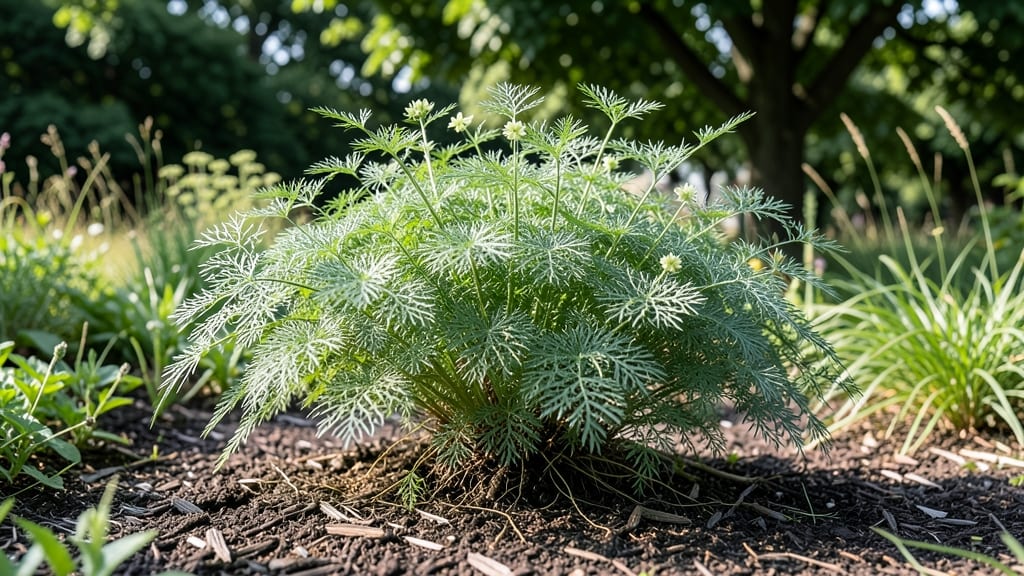
Asparagus fern species bring lush, feathery texture to gardens without the fuss of edible asparagus. 🌿 I fell for these cold-hardy perennials after seeing how they thrived in my zone 5 container garden—even through winter’s lightest frosts.
Their delicate fronds add height and movement to borders or containers, while their deep roots make them surprisingly tough for tender-looking plants.
You’ll recognize them by their fern-like foliage and slender stems, though they’re not true ferns. Varieties like Asparagus densiflorus (Meyer’s asparagus fern) and Asparagus plumosus (asparagus plumosus) offer different textures—one dense and bushy, the other airy and wispy.
They’re happy in partial shade to full sun, prefer well-draining soil, and need minimal pruning to keep them looking their best.
📚 In This Guide
- What you need
- Instructions
- Tips and common mistakes
- Wrapping up and next steps
What you need
- ● Asparagus Fern Plants: 3–5 Asparagus densiflorus or Asparagus plumosus (choose cold-hardy varieties like 'Sprengeri' or 'Myersii').
- ● Containers: 1–2 12-inch-wide or larger pots with drainage holes (terracotta or fabric pots work best).
- ● Potting Mix: 1 bag (5–10 gallons) of well-draining, peat-free mix (add perlite or sand for aeration).
- ● Slow-Release Fertilizer: 1 cup of balanced 10-10-10 or organic options like worm castings.
- ● Garden Gloves (to protect hands from sharp fronds).
- ● Trowel or Small Shovel (for transplanting).
- ● Watering Can or Hose (with a gentle spray nozzle).
- ○ Mulch (Optional): 1–2 inches of pine bark or straw to retain moisture.
- ○ Container Trays (Optional): For easy movement (especially in cold climates).
How to cultivate cold-hardy Asparagus ferns in containers
Revive these resilient perennials with my container-specific approach—perfect for small spaces and chilly climates.
🌱 Step 1: Select the Right Asparagus Fern Varieties
Start with cold-hardy species like Asparagus densiflorus 'Sprengeri' or Asparagus plumosus—both thrive in USDA Zones 7-11 and tolerate temperatures down to 20°F when dormant. These varieties produce feathery, arching fronds that bounce back year after year. Avoid tropical types like Asparagus setaceus, which won’t survive winter outdoors.
Purchase container-grown plants (not bare-root) from a reputable nursery to ensure established root systems. Check that the roots fill the pot—if they’re circling, the plant’s been overcrowded. You’ll need 4 plants to create a lush, full container display, as each variety spreads slowly.
🪴 Step 2: Prepare Well-Draining Containers and Soil Mix
Choose 12-14 inch diameter pots with drainage holes—terra cotta or fiberglass work best to regulate moisture. Fill each container with a custom mix of 60% peat moss or coconut coir, 30% perlite, and 10% compost. This blend prevents soggy roots, which asparagus ferns despise.
Moisten the mix until it’s damp like a wrung-out sponge—neither bone-dry nor saturated. Press it lightly into the pot to eliminate air pockets, then create a 1-inch deep planting hole. The reason for this mix? Asparagus ferns hate waterlogged feet and need excellent airflow to prevent fungal rot.
☀️ Step 3: Plant and Position for Seasonal Light Needs
Remove the plant from its nursery pot and gently tease apart any circling roots. Place it in the hole so the crown sits just below the soil surface—burying it too deep suffocates the plant, while leaving it exposed invites rot. Backfill with your mix, pressing lightly to eliminate gaps.
Position containers in partial shade (morning sun, afternoon shade) during summer—direct afternoon sun scorches the delicate fronds. In winter, move them to a protected, sheltered spot (like a covered porch) where temperatures stay above 15°F. You’ll see new growth emerge in 3-4 weeks after spring’s last frost.
💧 Step 4: Water and Feed for Year-Round Vigor
Water once weekly in summer, letting 1 inch of water soak through the pot—check by sticking your finger 2 inches deep into the soil. Reduce to every 2 weeks in winter, as dormant plants need far less moisture. Always water at the base to avoid wetting the fronds, which encourages mildew.
Feed monthly from spring to fall with a balanced, water-soluble fertilizer (10-10-10) diluted to half-strength. Skip winter feeding—fertilizer encourages tender new growth that won’t survive cold snaps. You’ll notice brighter green fronds and denser clumping within 4-6 weeks of consistent feeding.
✂️ Step 5: Prune and Overwinter for Next Year’s Growth
Cut back brown or damaged fronds in early spring before new growth starts. Never prune healthy fronds—this plant’s beauty comes from its lush, airy texture. In late fall, reduce watering to every 3 weeks and stop fertilizing entirely to prepare for dormancy.
Wrap containers in burlap and move them to a garage or unheated shed (not below 15°F) for winter. Check soil moisture monthly—it should stay barely damp but never soggy. With this care, your asparagus ferns will return stronger each spring, their feathery fronds unfurling earlier and fuller than ever.
Tips & tricks for perfect container-grown Asparagus ferns
These practical insights will help you coax vibrant, resilient growth from your cold-hardy perennials—no green thumb required.
Variety Selection: When choosing between Asparagus densiflorus 'Sprengeri' and Asparagus plumosus, opt for 'Sprengeri' if you want slightly more compact growth (ideal for smaller containers), while plumosus offers longer, more delicate fronds perfect for cascading displays. Both varieties thrive in containers, but 'Sprengeri' handles cooler climates better—its fronds stay lush down to 15°F when properly overwintered.
Container Preparation: The 60-30-10 soil mix ratio is non-negotiable for preventing root rot, but here's the secret: sterilize your containers first by soaking them in a 10% bleach solution (1 part bleach to 9 parts water) for 10 minutes, then rinse thoroughly. This eliminates fungal spores that could sabotage your plants from day one. Also, consider adding a handful of orchid bark to your mix—it improves drainage without altering the moisture balance.
Light Positioning: In Step 3, when positioning your containers, remember that "partial shade" means morning sun and afternoon shade—never filtered light. Direct morning sun warms the soil gently, encouraging root growth, while afternoon shade prevents the fronds from scorching. For urban balconies, rotate containers weekly to ensure even exposure; you'll notice fronds growing toward the light within just 2-3 weeks of consistent rotation. This simple adjustment prevents lopsided growth patterns.
Overwintering Strategy: The critical 15°F minimum temperature is your winter benchmark, but here's what nobody tells you: asparagus ferns actually benefit from a brief cold snap in late fall (around 25-30°F for 2-3 nights) before full dormancy. This mimics natural seasonal cues and primes them for stronger spring regrowth. Just avoid prolonged exposure below 15°F, even if they're wrapped in burlap.
Pro Tips for Asparagus Fern Species
- These practical insights will help you coax vibrant, resilient growth from your cold-hardy perennials—no green thumb required.
- Both varieties thrive in containers, but 'Sprengeri' handles cooler climates better—its fronds stay lush down to 15°F when properly overwintered.
- This eliminates fungal spores that could sabotage your plants from day one.
Frequently asked questions
Got questions about asparagus fern species?
You’re not alone! Here are some of the most common queries—plus quick, practical answers to help you grow these cold-hardy beauties with confidence.
Are asparagus ferns edible, or are they just ornamental?
While the Asparagus officinalis (true asparagus) is the edible variety, asparagus ferns (like Asparagus densiflorus) are purely decorative. Their feathery foliage adds texture to gardens, but they’re not safe for consumption. If you want both beauty and harvest, plant separate beds!
How cold-hardy are asparagus ferns really?
Most asparagus ferns thrive in USDA Zones 7–11, tolerating temps down to 10°F (-12°C). In colder zones (like Zone 6), mulch heavily or grow them in containers for winter protection. Asparagus setaceus (foxtail fern) is especially resilient, making it a top pick for chilly climates!
Can I grow asparagus ferns in containers, and what’s the best setup?
Use a 5-gallon pot or larger with drainage holes and a well-draining mix (60% potting soil, 30% perlite, 10% compost). Place in partial shade (morning sun is ideal) and water when the top inch of soil feels dry. Pro tip: Elevate pots in winter to prevent root rot from soggy soil.
What pests or diseases should I watch for with asparagus ferns?
Keep an eye out for aphids, spider mites, and scale insects—they love the tender fronds! Treat early with neem oil or insecticidal soap. Fungal issues (like rust) can occur in humid climates; improve airflow and avoid overhead watering. Yellowing fronds? Often a sign of overwatering or nutrient deficiency (try a balanced fertilizer in spring).
Do asparagus ferns bloom, and should I remove the flowers?
Some varieties (like Asparagus retrofractus) produce small, star-shaped flowers in spring/summer. While they’re pretty, removing them redirects energy to foliage growth. Snip spent blooms to keep your fern lush and bushy—no pruning skills required!
Wrapping up and next steps
Exploring asparagus fern species reveals a world of cold-hardy, low-maintenance greenery perfect for reviving your containers with year-round texture.
Whether you’re drawn to the delicate fronds of Asparagus densiflorus or the bold structure of Asparagus plumosus, these plants offer resilience and versatility—ideal for gardeners eager to embrace perennials that thrive in pots.
With the right care, they’ll reward you with lush, feathery foliage that brightens any space, indoors or out.
Ready to transform your containers? Start by selecting your favorite species, gathering the essentials, and diving in! Your green oasis awaits—just a few steps away. 🌿✨