
Vegetables
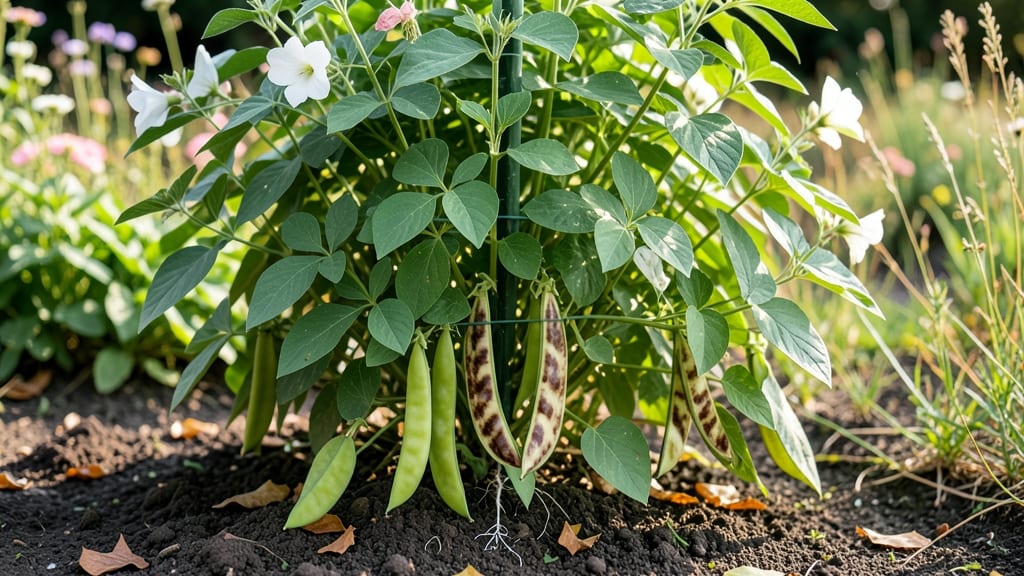
Growing white half runner pole beans changes how you think about beans—these cold-hardy perennials regrow from cuttings year after year. 🌱 The first time I saw them climbing my trellis, I realized I’d never go back to annual varieties.
Their ability to bounce back means fewer seeds, less work, and a steady harvest for years.
Start with a sturdy 6-foot trellis in well-draining soil with compost mixed in. Plant seeds 1 inch deep, 4-6 inches apart, and keep them consistently moist until sprouts appear. These beans thrive in cooler climates, making them perfect for early spring or fall plantings—unlike most varieties that bolt in heat.
📚 In This Guide
- What you need
- Instructions
- Tips and common mistakes
- Wrapping up and next steps
What you need
- ● White half runner pole bean seeds – 10-20 seeds (or 2-3 plants if using cuttings from a mature plant). Look for Phaseolus vulgaris varieties labeled as "half runner" or "pole beans."
- ● Pole bean supports – 6-8 ft tall trellis, stakes, or netting (at least 2-3 supports per plant for climbing).
- ● Well-draining potting mix or garden soil – Rich in organic matter (compost or aged manure works great!).
- ● Fertilizer – Balanced organic fertilizer (10-10-10) or compost tea for nutrient boost.
- ● Watering can or hose with a gentle spray nozzle – Beans need consistent moisture, especially during flowering.
- ● Garden trowel or hand shovel – For planting seeds or cuttings.
- ● Pruning shears – To trim stems for propagation or maintenance.
- ● Gloves – Protect your hands while handling soil or cuttings.
- ● Mulch (straw or grass clippings) – Helps retain moisture and suppress weeds.
- ○ pH testing kit (optional) – Ensures soil pH is between 6.0-7.0 (ideal for beans).
- ● A sunny location with at least 6-8 hours of direct sunlight daily.
- ● Warm soil (60°F/15°C or warmer) for direct sowing or a greenhouse for early starts.
- ● Cold-hardy zone adaptability – These beans thrive in zones 3-10 but may need row covers in early spring.
- ● Biochar or worm castings – Boosts soil fertility and microbial activity.
- ● Companion plants – Marigolds or basil to deter pests.
- ● Shade cloth – For hot climates to protect young plants.
- ● Plant markers – To track varieties if growing multiple types.
Step-by-step instructions for growing white half runner pole beans
Here's how to coax these cold-hardy climbers into producing lush, productive vines year after year.
🌱 Step 1: Choose the Perfect Location and Prepare the Soil
White half runner pole beans thrive in a spot with full sun—at least 6-8 hours daily—but they'll tolerate partial shade in hotter climates. I always pick a location near a sturdy trellis or fence where they can climb 8-10 feet high. The soil should be well-draining but rich in organic matter, with a pH between 6.0-7.0. If your soil is heavy clay, mix in 2-3 inches of compost before planting.
These beans are perennials in zones 5-10, meaning they'll regrow from the same roots each year. To prepare, loosen the soil to a depth of 12 inches and remove any weeds or debris. A light application of balanced fertilizer (10-10-10) at planting time gives them a strong start. I avoid heavy nitrogen—too much makes leaves grow at the expense of pods.
🌿 Step 2: Plant Seeds or Cuttings at the Right Time
For seeds, sow them ½ inch deep and 4-6 inches apart after the last frost when soil temperatures reach 60°F. I like to plant them in early spring or even late summer for a fall harvest. If you're working with cuttings (their signature regrowth method), take 6-inch stems from last year’s growth in early spring and root them in moist soil or water. Once roots form (3-4 weeks), transplant them 12-18 inches apart near the trellis.
Here's the thing—these beans hate disturbance, so don’t move them once planted. If you’re starting from seed, thin seedlings to the strongest one per spot. Water gently after planting to settle the soil, but avoid soaking—damp, not soggy, is the goal. Mulch around the base with 2-3 inches of straw to retain moisture and suppress weeds.
☀️ Step 3: Train Vines and Maintain Consistent Care
As vines grow, gently weave them onto the trellis or fence, securing them with soft ties (like old T-shirts or garden twine) to prevent damage. You’ll see white blossoms in 6-8 weeks, followed by flat, creamy-white pods that ripen in 2-3 weeks. Harvest pods when they’re 4-6 inches long for the best flavor—don’t let them dry out on the vine or they’ll toughen up.
Water deeply once a week, aiming for 1 inch of water total. Let the top 2 inches of soil dry out between waterings to prevent root rot. Feed lightly with compost tea every 4-6 weeks during the growing season. If you notice yellowing leaves, it’s usually a sign of overwatering or nutrient deficiency—cut back on water and add a low-nitrogen fertilizer.
✂️ Step 4: Prune and Prepare for Regrowth
At the end of the season, cut back vines to 6 inches tall and mulch heavily (4-6 inches) to protect roots from winter cold. These beans are cold-hardy down to 10°F, but a thick mulch layer ensures they survive even colder snaps. In early spring, remove the mulch and trim back any dead growth. You’ll see new shoots emerge from the base in 3-4 weeks—no need to replant!
Real talk: If you live in a hot, dry climate, these beans may go dormant in summer. Just keep the soil moist and they’ll bounce back when temperatures cool. The key to long-term success is consistent moisture and minimal disturbance—once established, they’ll reward you with years of harvests with almost no effort.
Tips & tricks for growing white half runner pole beans
These simple secrets will help you turn your first planting into a thriving, perennial harvest machine.
Sunlight Strategy: While these beans tolerate partial shade, I’ve found they produce the most pods when given full sun for at least 6-8 hours daily. If your garden gets intense afternoon sun, provide some afternoon shade during summer months—especially in hotter climates—to prevent stress on the vines. The key is finding that sweet spot where they get enough light but don’t overheat.
Soil Prep Secret: The 12-inch deep soil preparation isn't just about loosening—it's about creating a welcoming environment. I like to add a handful of wood ash to the planting hole when using compost, as it helps raise the soil pH slightly toward that ideal 6.0-7.0 range. This small adjustment makes a noticeable difference in plant health and pod production. For heavy clay soils, consider mixing in some coarse sand along with the compost to improve drainage.
Cutting Propagation Tip: When taking those 6-inch cuttings in early spring, choose stems that are about pencil-thick and have at least two nodes. I've found that using a rooting hormone powder on the cut end can speed up root formation by about a week, getting you established plants that much faster. Just dip the cut end and plant immediately—don't let it dry out before rooting.
Watering Wisdom: The "1 inch of water weekly" guideline works best when you water deeply at the base rather than sprinkling overhead. I use a soaker hose placed at the base of the plants to deliver water slowly and directly to the roots. This method reduces evaporation and prevents fungal diseases that can develop from wet foliage. Also, always water in the morning so the leaves have time to dry before evening.
Pro Tips for White Half Runner Pole Beans
- These simple secrets will help you turn your first planting into a thriving, perennial harvest machine.
- Sunlight Strategy: While these beans tolerate partial shade, I’ve found they produce the most pods when given full sun for at least 6-8 hours daily.
- Soil Prep Secret: The 12-inch deep soil preparation isn't just about loosening—it's about creating a welcoming environment.
Frequently asked questions
Got questions about growing white half runner pole beans?
You’re not alone! Here are the most common queries—plus straightforward answers—to help you cultivate these cold-hardy, regrowing wonders like a pro.
How cold-hardy are white half runner pole beans, really?
White half runner pole beans are surprisingly tough! They tolerate light frosts down to 25–30°F (-4 to -1°C) and can even regrow from cuttings in zones 5–9. For extra protection in colder climates, mulch heavily or grow them in containers to move indoors during harsh winters.
How long does it take for white half runner pole beans to mature?
From seed to harvest, expect 50–60 days in ideal conditions (warm soil, consistent moisture). If starting from cuttings, regrowth may take 2–3 weeks before flowering. Patience pays off—these beans reward you with long harvest seasons (up to 6 weeks per plant!).
Can I grow white half runner pole beans in containers?
These beans thrive in 5-gallon pots or larger with a trellis for support. Use well-draining soil and ensure the container has drainage holes. Just keep them near a sunny spot (6+ hours of light) and water consistently. Pro tip: Container-grown beans are easier to protect from pests and move indoors in winter.
What pests should I watch for, and how do I prevent them?
Common pests include bean beetles, aphids, and spider mites. Prevent issues by:
- Using row covers early in the season.
- Planting marigolds or nasturtiums nearby to deter pests.
- Inspecting leaves weekly and blasting pests off with water.
How do I take and store cuttings for overwintering?
To propagate white half runner pole beans from cuttings:
- Cut 4–6-inch stems with 2–3 leaves in early fall.
- Strip lower leaves and dip in rooting hormone (optional but helpful).
- Plant in moist potting mix and keep in bright, indirect light.
- Store in a cool (50–60°F) location until spring, watering lightly.
Wrapping up and next steps
Growing white half runner pole beans is a rewarding journey that brings cold-hardy, perennial magic to your garden—no replanting needed! 🌱 Whether you’re a seasoned gardener or just starting out, these beans offer low-maintenance abundance with their unique ability to regrow from cuttings.
Now that you’re armed with the right materials and answers to common questions, it’s time to roll up your sleeves and plant with confidence.
Ready to take the next step? Start by marking your calendar for the ideal planting window in your zone, then grab those cuttings and get growing! Your future harvests—and your neighbors’ green thumbs—will thank you. Happy gardening! 🌟