
Vegetables
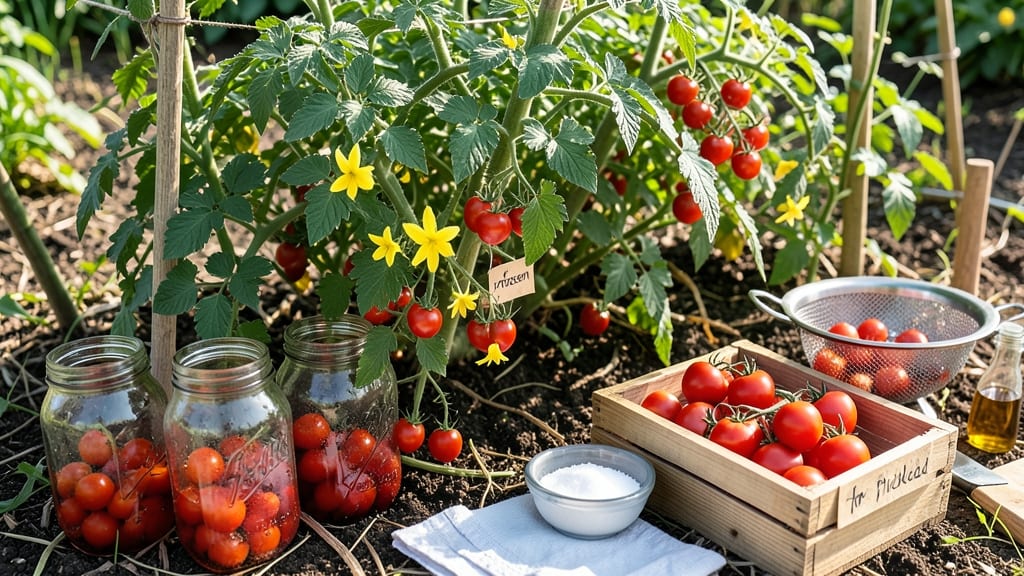
Your overflowing cherry tomato harvest deserves a second life with these simple ways to preserve them beyond summer salads. 🌱 I’ve turned my garden’s bounty into year-round treats by mastering preservation methods—no fancy equipment required.
The key is acting fast after harvest to lock in flavor and texture, whether you’re freezing, canning, or drying.
Start with clean, pest-free tomatoes—wash gently and pat dry to avoid mold. For freezing, blanch whole or halve them first; for canning, use a pressure canner for safety. Drying works best with smaller varieties, and fermenting adds tangy depth.
Each method takes 30 minutes to 2 hours of prep, but the payoff is tomatoes tasting fresh months later.
You’ll end up with vibrant, flavor-packed tomatoes for winter soups, sauces, or snacks. The dried ones make perfect garnishes, while fermented ones add zing to sandwiches. Even my first attempts turned out delicious—no need to stress over perfection.
Works for any harvest size, from backyard gardens to farmers' market finds. Let’s preserve that summer taste all year!
📚 In This Guide
- What you need
- Instructions
- Tips and common mistakes
- Wrapping up and next steps
What you need
- ● Fresh cherry tomatoes – Buy or harvest organic or vine-ripened varieties (like Sweet 100 or Sun Gold) for the best flavor. Aim for 1–2 pints (1–2 lbs) per preservation method.
- ● Clean, airtight containers – Options include: Glass jars (pint or quart size, with hermetic seals for canning—e.g., Ball or Mason jars). 2–4 jars depending on batch size.
- ● Plastic containers with lids (for fridge storage, BPA-free preferred).
- ● Vacuum-sealed bags (for freezing, 1–2 bags per pound).
- ● Food-grade vinegar (white or apple cider, 5% acidity) – ½ cup per quart of tomatoes for canning.
- ● Salt – 1–2 tsp per quart (kosher or pickling salt, iodine-free).
- ● Lemon juice or citric acid – 2 tbsp per quart (for water bath canning to prevent botulism).
- ● Olive oil or coconut oil – 1–2 tbsp per jar (for oil-preserving methods).
- ○ Fresh herbs or spices (optional but recommended) – Basil, oregano, garlic, or red pepper flakes (1–2 sprigs per jar).
- ● Water – Filtered or distilled (for canning and rinsing).
- ● Pot for water bath canning – Large enough to submerge jars 1–2 inches deep in water.
- ● Canning rack or lid lifter – To safely handle hot jars and lids.
- ● Tongs or clean hands – For handling tomatoes (wear gloves if skin is sensitive!).
- ● Paper towels or clean cloth – For drying jars and tomatoes.
- ● Permanent marker – To label jars with dates and contents.
- ● Blender or food processor – For making tomato sauces or pastes.
- ● Pectin – If thickening sauces (1 tbsp per quart).
- ● Sugar – 1–2 tbsp per quart (for sweetening or balancing acidity in preserves).
- ● Smoked paprika or liquid smoke – For a smoky flavor twist (½ tsp per jar).
- ● Freezer-safe bags or ice cube trays – For portioning small batches.
- ● Food dehydrator – For making tomato powder or sun-dried slices.
- ● Pickling spices – Pre-mixed blends for easy flavoring.
Step-by-Step methods for preserving cherry tomatoes
Here’s how to extend your harvest’s life using simple, effective techniques that keep flavor and texture intact.
🌿 Step 1: Select and Prep Tomatoes for Preservation
Choose firm, fully ripe cherry tomatoes with no bruises or soft spots—they’ll store and process best. Rinse gently in cool water to remove dirt, then pat dry with a clean towel. For cold storage, leave stems intact to prevent moisture loss; for canning or drying, trim stems and cut any damaged areas with a sterilized knife (dip in 170°F water for 10 seconds).
I always sort tomatoes by size and ripeness before processing. Smaller varieties like 'Sweet 100' dry faster, while larger 'Sun Gold' tomatoes need extra time. Spread them in a single layer on a clean kitchen towel to air-dry for 10-15 minutes—this removes surface moisture that can cause mold during storage.
☀️ Step 2: Choose Your Preservation Method
For short-term cold storage, place tomatoes in a single layer on a wire rack inside a ventilated plastic bag (poke holes for airflow) and store in the crisper drawer (40-45°F). They’ll keep for 1-2 weeks this way. For longer cold storage, freeze them whole or halved on a tray lined with parchment paper for 2-3 hours until solid, then transfer to a sealed bag—this prevents freezer burn and preserves texture.
If you’re drying, thread tomatoes onto stainless steel skewers or place on a dehydrator tray lined with parchment. Set your dehydrator to 135°F and dry for 8-12 hours until leathery but still pliable. For canning, pack tomatoes into sterilized pint jars, leaving ½-inch headspace, then process in a boiling water bath for 10 minutes (adjust for altitude).
💧 Step 3: Store Processed Tomatoes Properly
Dried tomatoes should be stored in an airtight container with a desiccant packet to absorb moisture. Keep them in a cool, dark place (like a pantry) for up to 6 months. For canned tomatoes, ensure lids are sealed tightly—check for a concave lid after cooling. Label jars with the date and method (e.g., "Dried 10/2024" or "Canned 10/2024").
Frozen tomatoes last 8-12 months in the freezer. Once thawed, they’re best used in cooked dishes like sauces or soups—don’t refreeze. I like to portion frozen tomatoes into ice cube trays before transferring to bags for easy single-serving use. For cold-stored tomatoes, check weekly for spoilage—discard any that develop soft spots or off odors.
⏰ Step 4: Use Preserved Tomatoes Strategically
Dried tomatoes shine in oil infusions (simmer in olive oil for 10 minutes, then strain) or chopped into pasta sauces. Canned tomatoes work well in salsas, soups, or stews—just heat gently to avoid breaking down texture. Frozen tomatoes are perfect for blending into smooth sauces or adding to bruschetta (thaw first, pat dry).
Real talk: Preserved tomatoes lose some freshness but gain concentrated flavor. I often blend dried tomatoes with garlic and olive oil for a quick pasta topping—it’s like summer in a jar. For cold-stored tomatoes, use them within 3-4 days of ripening for the best taste. If you notice fermentation smells (like vinegar), discard immediately—it’s a sign of spoilage.
Tips & tricks for perfectly preserved cherry tomatoes
Here's what nobody tells you about maximizing your harvest—these tricks ensure every method works flawlessly.
Prep Matters: The 10-15 minute air-dry step in Step 1 isn't just about removing moisture—it's about preventing mold. I've ruined entire batches by skipping this, so trust me: use a clean kitchen towel, not paper towels (they leave lint). For extra insurance, sprinkle a tiny pinch of salt on the towel before drying—it absorbs even more moisture without altering flavor.
Dehydrator Precision: When drying at 135°F for 8-12 hours, don't rely on time alone. Tomatoes should bend slightly but not crack when pressed. If you're using a home oven instead of a dehydrator, prop the door open with a wooden spoon—this maintains airflow and prevents soggy results. I've found that smaller cherry tomatoes finish in the 8-hour range, while larger varieties need the full 12 hours.
Cold Storage Hacks: For the short-term 40-45°F cold storage method, I've discovered that adding a few apple slices to the ventilated bag extends freshness by another week. The apples release ethylene gas, which actually helps preserve the tomatoes' firmness. Just remove the apples before eating—you won't taste them, but your tomatoes will thank you.
Canning Safety: That 10-minute boiling water bath in Step 2 is non-negotiable for safety, but here's the secret: always use new lids, never reused ones. I've seen people try to save money by reusing lids, and it's a recipe for disaster. Also, check your altitude—if you're above 1,000 feet, add 5 minutes to that 10-minute processing time to ensure proper sterilization.
Pro Tips for Ways To Preserve Cherry Tomatoes
- Here's what nobody tells you about maximizing your harvest—these tricks ensure every method works flawlessly.
- Prep Matters: The 10-15 minute air-dry step in Step 1 isn't just about removing moisture—it's about preventing mold.
- Dehydrator Precision: When drying at 135°F for 8-12 hours, don't rely on time alone.
Frequently asked questions
Got questions about keeping cherry tomatoes fresh and flavorful? You’re not alone!
Here are some of the most common concerns—and practical solutions—to help you make the most of your harvest or store-bought stash.
How long do cherry tomatoes stay fresh in the fridge?
Cherry tomatoes can last up to 2 weeks in the fridge if stored properly in a paper towel-lined container or perforated bag. Whole, unwashed tomatoes in the crisper drawer (with high humidity) hold up best. Avoid washing until ready to eat—moisture speeds up spoilage!
Can I freeze cherry tomatoes whole?
Freezing whole cherry tomatoes isn’t ideal because they turn mushy. Instead, blanch them first (dip in boiling water for 30 seconds, then ice bath) or slice and freeze on a tray before transferring to a bag. For cooking, this works great—just thaw and drain excess liquid. Skip freezing if you plan to eat them raw!
What’s the best way to revive soft or wrinkled cherry tomatoes?
Place them in a bowl of cool water with a slice of lemon or apple (the ethylene gas helps firm them up) for 1–2 hours. For extra help, add 1 tsp salt to the water. If they’re too far gone, chop and use in sauces, salsas, or roasted dishes where texture matters less.
Are there non-refrigerator ways to preserve cherry tomatoes?
Try these no-fridge methods:
- Room-temperature storage: Keep unwashed tomatoes in a mesh bag or open container in a cool, dark pantry for 3–5 days.
- Oil preservation: Submerge whole tomatoes in olive or canola oil (with garlic/herbs) in a sealed jar for up to 1 week.
- Dehydrating: Slice and dry at 135°F (57°C) for 4–6 hours for long-term shelf-stable snacks.
Why do my cherry tomatoes turn moldy so fast?
Mold spreads quickly due to ethylene gas (a natural ripening hormone) and moisture. Separate tomatoes (don’t stack them), store in paper towels, and remove any moldy ones immediately to prevent cross-contamination. If buying pre-cut tomatoes, opt for vacuum-sealed or modified-atmosphere packaging.
Pro Tip: For longer shelf life, harvest tomatoes when they’re firm but colored (not fully red) and store them stem-side down to slow moisture loss.
Wrapping up and next steps
Preserving cherry tomatoes doesn’t have to be complicated—whether you’re freezing, canning, fermenting, or drying, there’s a method that fits your lifestyle and keeps their vibrant flavor intact. From simple cold storage to creative pantry hacks, these techniques ensure you enjoy homegrown (or store-bought) tomatoes year-round without waste. 🌱
Now that you’re armed with the best ways to save and savor cherry tomatoes, why not put your new skills to the test? Start small—pick one method this week, and soon you’ll be a preservation pro, turning summer’s bounty into delicious meals all year. Happy preserving! 🍅✨