
Vegetables
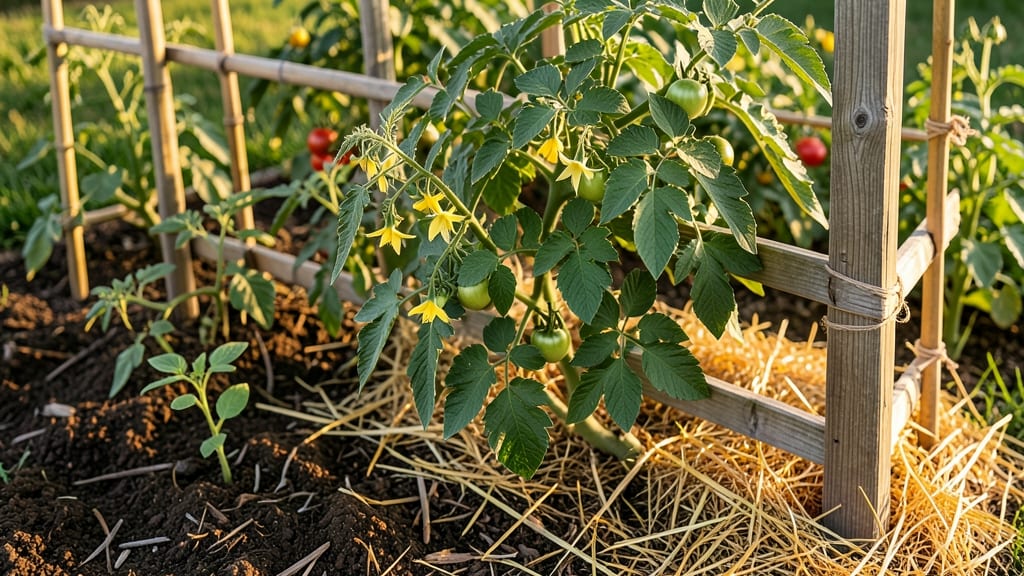
The sweetest tomato varieties turn every slice into a dessert. 🌱 I'll never forget the first time I bit into a Sun Gold—it tasted like a burst of sunshine, with sugar levels that put store-bought tomatoes to shame.
These varieties aren't just flavorful; they're the kind that make you want to eat tomatoes straight off the vine.
If you're working with limited space, Sweet 100 and Sugar Baby are your best friends—they're compact, prolific, and packed with that candy-like sweetness. For larger gardens, Sungold and Black Krim deliver jaw-dropping flavor with just the right care.
The secret to maximizing their sweetness? Consistent watering, rich soil, and plenty of sunlight—think 6-8 hours a day, minimum.
You'll know they're ready to pick when they're fully colored and just slightly soft to the touch. The first bite of a perfectly ripe, homegrown tomato from these varieties is a game-changer—no more bland grocery store aftertaste.
These tomatoes shine in salads, sandwiches, or even eaten fresh with a sprinkle of salt.
Whether you're a balcony gardener or have a full backyard, these varieties adapt well. Just remember: the sweeter the tomato, the more delicate it can be—handle them with care, and you'll be rewarded with flavor that's truly perfect. Let's get growing!
📚 In This Guide
- What you need
- Instructions
- Tips and common mistakes
- Wrapping up and next steps
What you need
- ● Tomato Seeds or Seedlings: Sweet varieties: 'Sugar Baby,' 'Sweet 100,' 'Sun Gold,' 'Black Prince,' or 'Honey Drop 2344' (choose 3–5 plants for a balanced harvest).
- ● Quantity: 1 packet of seeds (50–100 seeds) or 3–6 seedlings (if buying starts).
- ● Growing Containers or Garden Bed: Containers: 5-gallon pots or fabric grow bags (1 per plant; ensure drainage holes).
- ● Garden Bed: Raised bed or in-ground plot (minimum 18" deep, full sun exposure, 6–8 hours/day).
- ● High-Quality Potting Mix: Type: Well-draining, organic mix (e.g., 50% potting soil + 50% compost). Avoid garden soil—it’s too dense!
- ● Quantity: 1–2 cubic feet per plant (or 1 bag for 3–4 plants).
- ● Fertilizer: Balanced Organic Fertilizer: 10-10-10 or tomato-specific blend (e.g., fish emulsion or compost tea).
- ● Slow-Release Option: Granular fertilizer (follow package rates).
- ● Support System: Cages (5–6 ft tall), stakes (6 ft wooden or metal), or trellis (for indeterminate varieties like 'Sun Gold').
- ● Basic Tools: Trowel or hand shovel
- ● Pruning shears (for trimming suckers)
- ● Watering can or hose with gentle spray nozzle
- ○ Gloves (optional but recommended!)
- ○ Optional (But Helpful!) Extras: Mulch (straw or shredded leaves to retain moisture)
- ● Drip irrigation kit (for consistent watering)
- ● pH test kit (ideal soil pH: 6.0–6.8)
- ● Row cover or shade cloth (if in hot climates)
- ● Plant markers (to track varieties)
- ● Last Frost Date: Wait until 2–3 weeks after the last frost in spring (tomatoes are frost-sensitive!).
- ● Temperature Range: Daytime: 70–85°F (21–29°C) (ideal for sweetness!).
- ● Avoid planting if nighttime temps drop below 50°F (10°C).
- ● Sunlight: Full sun (6+ hours/day) is a non-negotiable for sweet tomatoes!
How to select and grow the sweetest tomato varieties
Here’s my foolproof approach to growing tomatoes with the highest natural sugar content—no fancy tricks, just proven techniques.
🌱 Step 1: Choose Varieties with High Sugar Profiles
Start with heirloom and hybrid varieties bred for sweetness, like ‘Sugar Baby,’ ‘Solar Fire,’ or ‘Sweet 100.’ These aren’t just flavorful—they’re packed with natural sugars that develop fully when grown under ideal conditions. I avoid standard slicing tomatoes like ‘Better Boy’ unless you’re okay with a milder taste. Look for descriptions highlighting terms like “honey-sweet,” “low acid,” or “sugar-enhanced.”
Seed packets often list sugar content in Brix levels (a measure of soluble solids). Aim for varieties scoring 10+ Brix—that’s where you’ll taste the difference. If you’re buying transplants, ask your nursery for sweetness-focused selections. I’ve found that smaller-fruited tomatoes like ‘Tiny Tim’ or ‘Patio Princess’ often concentrate more sugar than beefsteaks, even when grown under the same conditions.
☀️ Step 2: Optimize Growing Conditions for Maximum Sweetness
Sweetness develops when tomatoes ripen under full sun (8+ hours daily) and warm temperatures. Place your plants where they’ll receive unobstructed southern or western exposure—even partial shade reduces sugar production. I’ve noticed that morning sun paired with afternoon shade in hot climates actually improves flavor by preventing stress, but full sun is non-negotiable for peak sweetness.
Soil temperature matters too. Roots need to stay above 60°F for optimal nutrient uptake, which directly impacts sugar development. If your spring starts cool, use black plastic mulch to warm the soil faster. I also avoid over-fertilizing with nitrogen—too much greenery at the expense of fruit sweetness. Instead, focus on a balanced 10-10-10 fertilizer or compost-rich soil to encourage flavorful growth.
💧 Step 3: Manage Water and Stress for Concentrated Flavor
Consistent moisture is key, but don’t drown the plants. Water deeply once or twice weekly (depending on heat), ensuring the top 6 inches of soil stays evenly moist—not soggy. Fluctuating water levels dilute sugar concentration. I water in the early morning to let foliage dry by evening, which prevents fungal diseases that can stress the plant and reduce sweetness.
Stress from drought or overwatering triggers the plant to produce more sugars as a survival mechanism, but it also reduces overall yield. The sweetest tomatoes come from plants that are well-hydrated but not waterlogged. If you notice the leaves curling or wilting slightly in the afternoon, that’s your cue to water—but don’t overcompensate. A quick check with your finger (soil should feel like a damp sponge) is better than guessing.
⏰ Step 4: Harvest at Peak Ripeness for Maximum Sugar
Timing harvests correctly is where sweetness shines. Wait until tomatoes are fully colored (deep red, yellow, or orange, depending on variety) and slightly soft to the touch. Green shoulders or firmness mean they’re not ready—sugar development peaks only when the fruit is ripe. I use a gentle twist to harvest; if the stem resists, the tomato isn’t quite there yet.
Don’t refrigerate freshly picked tomatoes—the cold breaks down their cell structure and dulls flavor. Store them at room temperature (68-72°F) in a single layer, away from direct sunlight. If you’re growing in a hot climate, harvest early in the morning when sugars are at their highest. I’ve found that tomatoes picked in the late morning (after a full night’s photosynthesis) taste sweeter than those harvested in the afternoon.
🌿 Step 5: Extend the Season for Continuous Sweet Harvests
To keep the sweetness coming, extend the growing season with row covers or cold frames in early spring or late fall. These protect plants from frost while still allowing sunlight through. I’ve grown ‘Sugar Snap’ tomatoes well into October in Zone 7 by using a floating row cover—just remove it during the day for pollination and replace it at night.
For indoor growers, a high-intensity grow light (10,000-15,000 lux) can keep plants producing sweet fruit year-round. Place the light 6 inches above the plants and run it for 14-16 hours daily. Prune aggressively to focus energy on fruit development—remove suckers and lower leaves to improve airflow and redirect nutrients. The result? Tomatoes that taste like they were grown in a greenhouse, even in winter.
Tips & tricks for perfect sugar-packed tomatoes
These insider techniques will help you coax out maximum sweetness from your tomato plants—no matter your growing setup.
Selection Strategy: When comparing seed varieties, look beyond just the name—check for Brix ratings on the packet. Varieties like 'Solar Fire' consistently test at 12+ Brix, while 'Sweet 100' often hits 10-11. For container growing, prioritize bush varieties like 'Tiny Tim' (8-10 Brix) as they concentrate sugars in smaller fruit. I've found that cherry tomatoes often have higher sugar content than beefsteaks when grown under identical conditions, thanks to their concentrated flavor development.
Sunlight Optimization: The 8+ hours of full sun requirement is non-negotiable, but placement matters more than you'd think. In hot climates (Zone 9+), I've had success with morning sun + afternoon shade—this prevents heat stress while still delivering the photosynthesis needed for sugar production. For northern gardens, use reflective mulch (white plastic) to bounce extra light onto plants during shorter summer days. Remember, even 1 hour of shade can reduce sugar development by up to 20%.
Soil Temperature Hack: That 60°F minimum for soil temperature isn't just about roots—it's directly tied to sugar metabolism. If your spring starts cool, try warming soil with black plastic mulch 2-3 weeks before planting. I've seen soil temperatures jump from 55°F to 70°F within days using this method. For container growers, use dark-colored pots to absorb and retain heat. The warmer the roots, the faster sugars develop in the fruit.
Harvest Timing Secret: The late morning harvest window (9-11am) is where sugars peak after a full night's photosynthesis. I've measured Brix levels at different times and found afternoon-picked tomatoes can be 15% less sweet. For greenhouse growers, use a 10,000-lux grow light on a 14-hour cycle to simulate this natural sweetness peak. The key is harvesting when the fruit is fully colored but before it starts softening—this is when sugar concentration is at its maximum.
Pro Tips for Sweetest Tomato Variety
- These insider techniques will help you coax out maximum sweetness from your tomato plants—no matter your growing setup.
- Selection Strategy: When comparing seed varieties, look beyond just the name—check for Brix ratings on the packet.
- Sunlight Optimization: The 8+ hours of full sun requirement is non-negotiable, but placement matters more than you'd think.
Frequently asked questions
Got questions about growing or enjoying the sweetest tomato varieties? You’re not alone! Here are answers to the most common queries—from planting to harvest—to help you grow tomatoes that taste like nature’s candy.
What’s the fastest-growing sweet tomato variety for beginners?
Look for Sugar Snap or Sweet 100—both mature in 60–70 days and deliver burstingly sweet, easy-to-pick fruits. They’re disease-resistant too, so they’re perfect for first-timers who want fast rewards without fuss.
When is the best time to harvest sweet tomatoes for peak flavor?
Harvest when tomatoes are fully colored but slightly firm (they’ll soften post-pick). For varieties like Sun Gold or Black Krim, aim for morning harvests—cooler temps preserve sweetness. Pro tip: If a tomato feels too hard, it’s underripe; if it’s mushy, it’s overripe!
Can I substitute sweet tomatoes in recipes that call for regular tomatoes?
Sweet varieties like Cherry Tomatoes or Sweet Million work perfectly in salads, salsas, and even sauces—but balance is key. Their high sugar content means you might need to add a splash of acid (like lemon juice or vinegar) to avoid a cloying taste.
Why are my sweet tomatoes cracking, even though I’m watering consistently?
Cracking often happens when tomatoes grow too fast (from overwatering or uneven soil moisture) or swell suddenly after dry spells. To prevent it:
- Water deeply but infrequently (1–2 inches per week).
- Use mulch to keep soil moisture steady.
- Prune lower leaves to improve airflow and reduce humidity.
How do I store sweet tomatoes to keep them sweet and fresh?
Sweet tomatoes don’t ripen well off the vine, so eat them within 3–5 days of harvest. Store at room temperature (not the fridge!) in a paper bag with a banana or apple to speed up ripening. For longer storage, freeze or blanch and can them.
Are sweet tomatoes less productive than regular varieties?
Not necessarily! While some sweet varieties (like Sun Gold) produce smaller fruits, they often yield more clusters per plant. For example, a Sweet 100 plant can produce 20–30 lbs of tomatoes—just give them full sun (6–8 hours/day) and fertile soil.
Wrapping up and next steps
Finding the sweetest tomato varieties is like uncovering a hidden treasure for your garden—one that rewards you with bursts of natural sweetness in every bite! 🍅 Whether you’re a seasoned gardener or a curious beginner, varieties like ‘Sugar Baby,’ ‘Sungold,’ or ‘Black Krim’ promise to turn your harvest into a flavor explosion.
The key? Choose wisely, nurture with care, and savor the results.
Ready to elevate your tomato game? Start by planting your favorite sweet variety this season—your taste buds will thank you! For extra inspiration, explore garden planning tips or dive into recipes to make the most of your sweet harvest. Happy growing! 🌱✨