
Vegetables
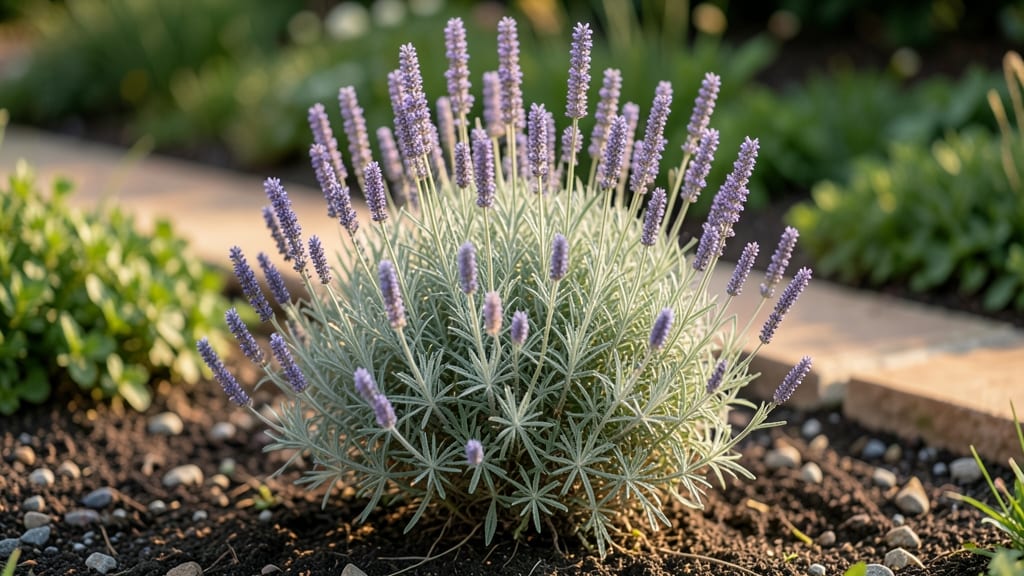
Russian sage thrives in winter, surviving USDA zones 5-9 with minimal fuss. ✨ I’ve watched mine stand tall through snow-laden winters, its silvery stems adding texture to the dormant landscape—proof that this hardy perennial doesn’t just endure, but shines in cold weather.
Pruning in late winter (before new growth starts) keeps it tidy and encourages bushier spring regrowth. In colder zones, a thick layer of mulch protects roots from freeze-thaw cycles, while southern climates may need only light pruning to remove dead stems.
The plant typically dies back to the ground but rebounds quickly once temperatures rise.
Come spring, you’ll see fresh green shoots within 2-3 weeks of warmer soil. A light fertilizer application at this stage jumpstarts growth, and by summer, your Russian sage will reward you with fragrant lavender blooms that attract pollinators. The key is patience—it’s a slow starter but a fast finisher.
For northern gardens, consider wrapping young plants in burlap for extra protection during extreme cold snaps. In milder climates, focus on pruning and mulching to maintain vigor. Either way, this plant proves winter doesn’t have to mean brown—just wait for the comeback.
📚 In This Guide
- What you need
- Instructions
- Tips and common mistakes
- Wrapping up and next steps
What you need
- ● Pruning shears or sharp bypass pruners – Clean, sharp tools to trim back dead or overgrown stems (avoid dull blades that can damage plants).
- ● Garden gloves – Heavy-duty gloves to protect your hands from thorns and rough stems.
- ● Mulch (organic or inorganic) – 2–4 inches of straw, shredded leaves, or wood chips to insulate roots. Avoid fresh grass clippings (they can mat and trap moisture).
- ● Burlap or frost cloth – A 3–4 ft wide roll to wrap young plants or tender stems in harsh winters (Zone 5 or colder).
- ● Watering can or hose with a gentle nozzle – For a deep watering before the first frost (1–2 gallons per mature plant).
- ○ Garden twine or stakes (optional) – To secure frost cloth or support heavy mulch in windy areas.
- ● Anti-desiccant spray (e.g., Wilt-Pruf) – Apply to foliage in extreme dry winters to prevent winter burn.
- ● Soil thermometer – To monitor ground temps; ideal mulching occurs when soil temps drop below 20°F (-6°C).
- ● Compost or slow-release fertilizer – A light application (½ cup per plant) in early spring to boost recovery.
Step-by-step guide to winterizing Russian sage for year-round growth
Here's how I keep my Russian sage thriving through winter—no fancy tricks, just smart care.
🌿 Step 1: Assess Plant Health Before Cold Arrives
Start by examining your Russian sage plants in early fall, about 6-8 weeks before your first frost. Look for healthy stems with deep green foliage—these are your best candidates for winter survival. Remove any yellowed or diseased stems immediately with clean pruners, cutting back to healthy growth. This prevents pests and diseases from hiding over winter.
I also check for any remaining flower spikes. While they add winter interest, they can drain energy from the plant. Snip them back to 4-6 inches above the ground to redirect the plant's resources toward root strengthening. This is the moment that matters: a well-pruned plant handles winter stress far better than one left overgrown.
☀️ Step 2: Adjust Watering and Fertilizing for Fall Transition
Reduce watering gradually as temperatures drop. Russian sage is drought-tolerant, but you don't want it bone-dry when winter hits. Water deeply every 10-14 days until top 6 inches of soil feel dry. This encourages deep root growth before dormancy. I know it seems counterintuitive, but this fall watering gives your plant the reserves it needs to bounce back in spring.
Stop fertilizing completely by mid-September. New growth stimulated by late-season fertilizer won't harden off properly before cold weather. The goal is for your plant to focus on root development, not leaf production. If you notice any fresh growth after this cutoff, trim it back—it's just wasting energy.
❄️ Step 3: Protect from Harsh Winter Conditions
Russian sage is hardy in zones 5-9, but extreme cold or wind can still damage it. In colder climates (zones 4 and below), mound 4-6 inches of mulch around the base of the plant. I use straw or shredded leaves because they insulate roots while allowing moisture to escape. Avoid thick layers of bark mulch—it can suffocate the plant in wet conditions.
For windy sites, consider a temporary windbreak. A simple 4-foot tall wire fence or even a row of evergreen shrubs can protect the plant from winter burn. If you live in an area with heavy snow, gently brush off accumulated snow from the foliage to prevent branch breakage. Here's the thing—Russian sage can handle some winter exposure, but these small protections make all the difference in spring recovery.
🌱 Step 4: Monitor and Prepare for Spring Revival
Check on your plants during mild winter days. If you see any signs of life—like tiny green buds—your plant is already preparing to wake up. This is normal! Russian sage often shows early signs of growth in late winter. Just avoid disturbing it—wait until consistent daytime temperatures reach 50°F before doing any major maintenance.
In early spring, remove any mulch you applied and trim back any dead or damaged stems. You'll know healthy growth is coming when you see fresh green shoots emerging from the base. This is when I start my regular watering schedule again, but I wait until the soil warms up before fertilizing. Patience here pays off—rushing spring care can stress plants that are still adjusting to warmer temperatures.
Tips & tricks for perfect Russian sage winter revival
These practical steps will help you keep your Russian sage thriving through the coldest months.
Timing is Everything: The 6-8 week window before your first frost is your best chance to prepare Russian sage for winter. I've learned the hard way that waiting until late fall can leave plants vulnerable. Mark your calendar now—this is when you should start assessing plant health and planning your pruning schedule. The goal is to give your plants enough time to recover before cold sets in.
Pruning Precision: When trimming back those flower spikes to 4-6 inches, I always use clean, sharp pruners to avoid damaging stems. This isn't just about aesthetics—proper pruning redirects the plant's energy toward root development, which is crucial for winter survival. Look for healthy green growth when making your cuts; anything yellow or brown should come off completely. The cleaner your cuts, the better the plant can heal and prepare for dormancy.
Mulch Matters: For that 4-6 inches of mulch around your plants, I recommend straw or shredded leaves over bark mulch. The key is finding a balance—enough to insulate roots but not so much that it suffocates the plant. In particularly wet climates, I actually reduce the mulch layer slightly to prevent rot. Remember, this isn't about smothering your plants; it's about creating a cozy environment that protects them from temperature swings and wind.
Spring Readiness: That 50°F threshold for spring maintenance isn't just arbitrary—it's when Russian sage typically starts its active growth cycle. I wait patiently until this temperature is consistent for at least a week before removing mulch or fertilizing. This prevents shocking plants that are still adjusting to warmer conditions. Think of it as letting your plants wake up naturally rather than forcing them out of dormancy too soon.
Pro Tips for Russian Sage Winter
- These practical steps will help you keep your Russian sage thriving through the coldest months.
- Timing is Everything: The 6-8 week window before your first frost is your best chance to prepare Russian sage for winter.
- Pruning Precision: When trimming back those flower spikes to 4-6 inches, I always use clean, sharp pruners to avoid damaging stems.
Frequently asked questions
Got questions about keeping your Russian sage thriving through winter?
Here are answers to the most common concerns—so you can enjoy its fragrant beauty year-round without stress!
Can Russian sage survive winter in cold climates?
Yes! Russian sage (Perovskia atriplicifolia) is a hardy perennial that thrives in USDA zones 4-9. In colder regions (zones 4-5), it may die back to the ground but will regrow in spring. Mulch with 3-4 inches of straw or shredded leaves to insulate roots and prevent heaving. In zones 6-9, it often stays evergreen or semi-evergreen with minimal protection.
How do I protect Russian sage from freezing temperatures?
For extra insulation in harsh winters, wrap the base of mature plants with burlap or frost cloth after the first hard freeze. Avoid heavy mulch (like pine straw) that can compact and trap moisture. In containers, move pots to a sheltered spot (like a garage or against a south-facing wall) and wrap them in bubble wrap or frost blankets. Water sparingly before winter to prevent root rot.
Will Russian sage come back in spring if it looks dead?
Don’t panic if it looks brown and crispy! Russian sage often appears dormant in winter but regrows from the roots once temperatures rise. Cut back dead stems in early spring (before new growth appears) to encourage fresh foliage. If no growth emerges by late April, check for heaving (roots exposed by freeze-thaw cycles) or rot—these are signs of winter damage.
Are there winter-hardy alternatives to Russian sage?
If Russian sage struggles in your climate, try these fragrant, cold-tolerant perennials:
- Lavender (Lavandula): Zones 5-9; drought-resistant and aromatic.
- Russian thyme (Thymus serpyllum): Zones 4-9; ground cover with silvery foliage.
- Wintergreen (Gaultheria procumbens): Zones 3-7; evergreen with minty leaves.
- Dwarf yarrow (Achillea): Zones 3-9; fern-like foliage and late-season blooms.
Why is my Russian sage turning brown in winter?
Brown stems in winter are usually normal, but mushy stems or blackened leaves signal rot from overwatering or poor drainage. If the center looks soggy, improve airflow by pruning crowded growth. For salt damage (common in icy climates), flush soil with water in spring. If the plant fails to regrow, it may have suffered freeze damage—try propagating from cuttings in spring!
Wrapping up and next steps
Russian sage isn’t just a summer star—it’s a hardy, fragrant perennial that thrives even in winter’s chill! 🌿 With the right care, it rewards you with year-round color and texture, proving that cold seasons can still be vibrant.
Whether you’re a seasoned gardener or a curious beginner, this resilient plant offers low-maintenance beauty and a touch of aromatic magic.
Ready to transform your garden? Start by assessing your winter conditions, gathering the right tools, and planting with confidence. Your fragrant oasis awaits—so grab your gloves and get growing! 🌱