
Vegetables
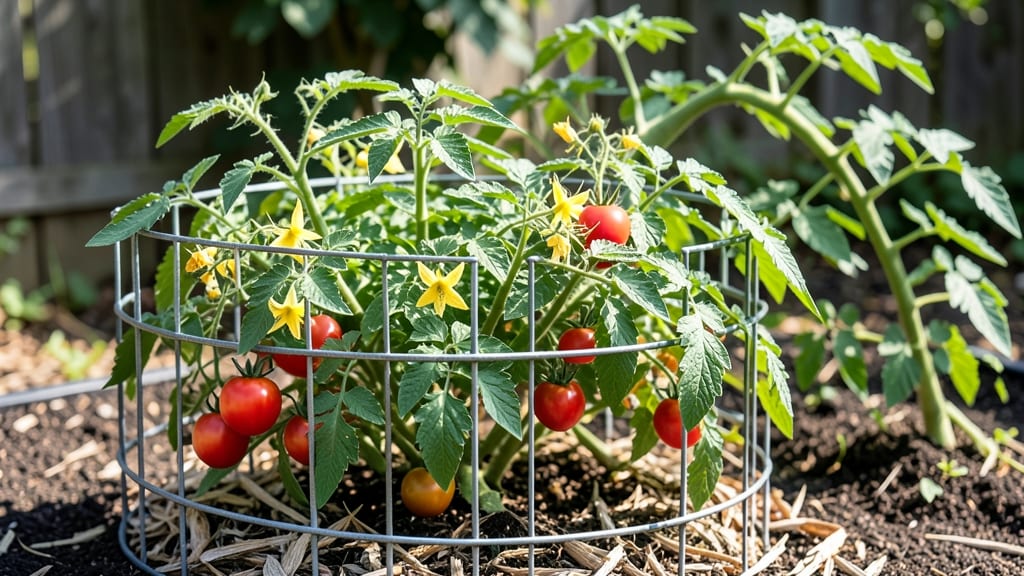
Round tomato cages aren’t just support—they’re the secret to a garden that grows with your plants. 🌱 I’ve swapped flimsy stakes for these sturdy circles, and my tomatoes now sprawl beautifully without tangling or toppling.
The modular design lets you adjust height as vines grow, turning every plant into a vertical statement piece. They blend seamlessly into garden layouts, whether tucked between raised beds or lining a sunny fence. Pair them with trellises for climbing beans or mix in decorative pots for a cohesive look.
The circular shape even creates a natural windbreak for delicate foliage while keeping the garden tidy. What you’ll love most is how they transform space: 6-foot cages turn a corner into a lush tomato archway, while smaller ones elevate patio containers.
Companion plants like basil or marigolds nestle at their base, creating a self-sustaining micro-ecosystem that looks as good as it performs. From urban balconies to sprawling backyards, these cages adapt to any design—no more sacrificing aesthetics for function.
Here’s how to make them work for your garden’s unique shape and style.
📚 In This Guide
- What you need
- Instructions
- Tips and common mistakes
- Wrapping up and next steps
What you need
- ● Galvanized wire (12-14 gauge) – ~10–15 feet per cage (thicker wire = sturdier support).
- ● Wire cutters – Heavy-duty for clean cuts.
- ● Pliers – For twisting and securing wire joints.
- ● Measuring tape – To ensure consistent sizing (aim for 4–6 feet tall, 18–24 inches in diameter).
- ● Staple gun + staples – For attaching wire to a base (e.g., wooden stakes or plastic tubing).
- ○ Optional base materials: Wooden stakes (1–2 inches thick, 2–3 feet long).
- ● Plastic plant cages (as a reusable core).
- ● Concrete reinforcement mesh (for extra durability).
- ● Outdoor workspace – A flat, stable surface (e.g., patio, driveway, or garage floor).
- ● Sunny day (or shade cloth) – Wire works best when pliable (not too cold or brittle).
- ● Gloves – Protects hands from sharp wire edges.
- ● Tomato plants (or seeds!) – Ready to stake as you build.
Step-by-Step guide to using round tomato cages for healthy vines
Here’s how to set up round tomato cages that grow with your plants—no flopping, no tangling, just strong support.
🪴 Step 1: Select the Right Size and Position the Cage
Choose a round tomato cage that’s 8-12 inches in diameter for your plants—this gives room for vines to spread without crowding. Place the cage right at planting time, pressing it 1-2 inches into the soil around the base of your tomato plant. The deeper you bury it, the more stable it stays in wind or rain.
Position the cage centered over the plant’s main stem so the plant grows straight up through the middle. If you’re planting multiple tomatoes, space cages 3-4 feet apart to prevent vines from tangling between supports. I like to tap the cage gently into the soil with my foot to avoid disturbing the roots.
☀️ Step 2: Secure the Plant and Encourage Upward Growth
Once your tomato plant reaches 12-18 inches tall, gently weave the main stem through the cage’s openings. Start at the bottom and work upward, tucking each new section of vine into a different slot. This keeps the plant balanced and prevents it from leaning or breaking under fruit weight.
If your plant grows leggy before hitting the cage, don’t worry—just pinch off the bottom leaves (up to the first 6 inches) to redirect energy upward. You’ll see new leaves forming closer to the cage within a week, and the plant will catch up fast.
🌿 Step 3: Train Vines and Add Tie-Ups for Heavy Fruit
As your tomato plant grows, guide vines through the cage’s openings every 4-6 inches to distribute weight evenly. When fruit starts forming, use soft plant ties or old fabric strips to secure the heaviest branches to the cage. I avoid wire ties—they can cut into stems as the plant swells.
Watch for suckers (small shoots in the leaf axils) and remove them promptly. Suckers drain energy from fruit production, and round cages make it easy to spot and snip them without disturbing the main vine. Aim to keep only the strongest, upward-growing stems on the plant.
✂️ Step 4: Prune and Maintain for Maximum Support
When your tomatoes reach the top of the cage, pinch off the growing tip to stop vertical growth. This redirects energy into fruit production and prevents the plant from becoming top-heavy. Prune any branches growing outside the cage to keep the plant contained and reduce disease risk from crowded foliage.
Every 2-3 weeks, check the cage for rust or bending—especially after heavy rain or wind. If the cage starts to sag, reinforce it by tying the top to a stake or adding a second cage for extra height. A well-supported plant produces bigger, healthier tomatoes with fewer broken stems.
💧 Step 5: Harvest and Clean Up for Next Season
When tomatoes ripen, pick them daily to encourage more production. Gently twist the fruit from the vine—don’t pull, or you might damage the stem. After harvest, remove the cage and soak it in a 10% bleach solution (1 part bleach to 9 parts water) to kill any fungal spores before storing.
If your cage shows signs of wear, replace it—rusty or bent cages won’t support next year’s plants effectively. Store cages in a dry, shaded area to prevent warping. With proper care, a round tomato cage lasts 3-5 seasons, making it a cost-effective investment for strong, upright vines.
Tips & tricks for perfect round tomato cage support
These simple strategies will help you get the most out of your round tomato cages and keep your plants thriving all season long.
Plant Selection: Choose tomato varieties that naturally grow upward rather than sprawling—like indeterminate types such as 'Sungold' or 'Better Boy'. These varieties benefit most from round cages because they continue growing vertically throughout the season.
Early Plant Training: In Step 2, when your plant reaches 12-18 inches, take an extra moment to gently twist the main stem through the cage openings. This creates a natural spiral pattern that helps distribute weight evenly as the plant grows. Think of it like teaching your plant to climb a ladder—each new section gets stronger support.
Sucker Management: The round shape of these cages makes it easy to spot and remove suckers (those little shoots in the leaf axils). I've found that using small pruning shears or even my fingernails works well to snip them cleanly. Removing suckers every 5-7 days keeps your plant focused on producing fruit rather than growing unnecessary foliage.
Season-Long Maintenance: Don't forget to check your cages every 2-3 weeks for signs of rust or bending, especially after heavy rains. A quick wipe-down with a damp cloth and a light coat of vegetable oil can extend the life of your cages by preventing rust. This simple maintenance ensures your investment keeps supporting those heavy tomato loads for years to come.
Pro Tips for Round Tomato Cages
- These simple strategies will help you get the most out of your round tomato cages and keep your plants thriving all season long.
- Plant Selection: Choose tomato varieties that naturally grow upward rather than sprawling—like indeterminate types such as 'Sungold' or 'Better Boy'.
- Early Plant Training: In Step 2, when your plant reaches 12-18 inches, take an extra moment to gently twist the main stem through the cage openings.
Frequently asked questions
Got questions about round tomato cages? We’ve got answers!
Whether you're a first-time gardener or a seasoned pro, these FAQs will help you grow strong, supported tomato plants with ease.
What size round tomato cage should I buy for my plants?
Most round tomato cages range from 4 to 6 feet tall, but the best choice depends on your tomato variety. Determinate tomatoes (bush types) thrive in 4-foot cages, while indeterminate varieties (vining types) need 5-6 feet of support. Check your seed packet for height estimates!
Can I reuse round tomato cages year after year?
Round tomato cages are durable and reusable for multiple seasons. After harvest, clean them with soapy water to remove debris, then store them in a dry place. If rust appears, a quick spray with vinegar or a rust converter will keep them in great shape for years.
What’s the best alternative if round tomato cages aren’t available?
No problem! Try these DIY or store-bought alternatives:
- Trellis netting – Wrap it around stakes or fences for a flexible option.
- PVC pipe cages – Build your own with PVC connectors and wire mesh.
- Sturdy bamboo stakes – Tie vines to them as they grow (great for small gardens!).
- Floating row covers – Use them early in the season for extra support.
Why are my tomato plants leaning or falling over even with a cage?
This usually happens due to poor pruning, weak stems, or overcrowding. Prune suckers regularly to encourage upward growth, and tie vines to the cage every 1-2 feet with soft plant ties. If the cage is too small, upgrade to a taller one or add extra stakes for support.
Do round tomato cages work well in windy or rainy climates?
Round tomato cages provide great stability, but in high-wind or heavy-rain areas, you may need extra reinforcement. Sink the cage 6 inches deep into the soil or anchor it with stakes. For extra security, weave twine between the cage and a nearby post to prevent tipping.
Wrapping up and next steps
Round tomato cages are a game-changer for gardeners, offering durability, adaptability, and ease of use—whether you're a beginner or a seasoned pro. 🌱 Their modular design ensures your plants get the support they need as they grow, while their sturdy construction means fewer replacements over time.
With the right setup, you’ll enjoy healthier, stronger vines and bountiful harvests without the hassle.
Ready to transform your garden? Grab a set of round tomato cages today and watch your plants thrive! For extra tips, check out our FAQ section or share your progress with the gardening community—happy growing! 🌿