
Vegetables
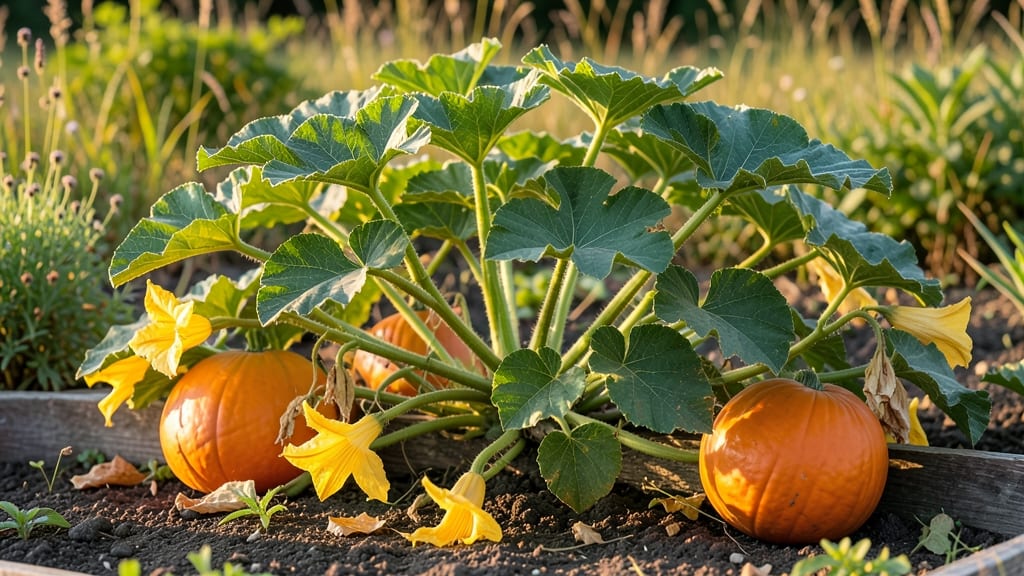
Growing pumpkins in Florida means no more waiting for fall—you can harvest them year-round with the right approach. 🌱 I’ve grown pumpkins here for five years, and the secret isn’t just about heat-tolerant varieties (though those help).
It’s about timing, shade, and watering tricks that keep vines thriving when other gardens give up. The key is planting two crops: one in early spring (February-March) for summer harvests, and another in late summer (August-September) for fall jack-o’-lanterns.
Florida’s long growing season lets you skip the usual "one shot" approach—just rotate plantings to avoid disease buildup. My best yields came from Cayenne and Small Sugar varieties, which handle humidity better than standard carving pumpkins.
You’ll end up with vines stretching 20+ feet in shaded corners of your yard, producing pumpkins when grocery stores run out. The first harvests arrive in 60-70 days, and with proper care, you can keep the cycle going all year.
No more paying premium prices for small, sad pumpkins at Halloween. This works for home gardens, community plots, or even containers—just adjust spacing and trellising. Here’s how to make it happen without the usual Florida frustrations like powdery mildew or squash bugs.
📚 In This Guide
- What you need
- Instructions
- Tips and common mistakes
- Wrapping up and next steps
What you need
- ● Pumpkin Seeds: Choose fast-maturing varieties like ‘Jack Be Little’ (50-60 days) or ‘Cinderella’ (75-90 days). Buy 2–3 seeds per plant (or 10–15 seeds total for a small patch).
- ● Potting Soil or Garden Soil: For containers: 5–10 gallons of well-draining potting mix (e.g., Black Gold Natural & Organic).
- ● For in-ground: Amend soil with compost (1–2 inches mixed into the top 12 inches) for better drainage.
- ○ Containers (Optional but Helpful): Large pots (18–24 inches deep) or fabric grow bags for urban growers. 2–3 containers per pumpkin plant if using small varieties.
- ● Fertilizer: Balanced fertilizer (10-10-10) at planting (1 tbsp per plant).
- ● Low-nitrogen, high-phosphorus (5-10-10) when flowers appear (1 tbsp per plant).
- ● Garden Tools: Trowel or hand shovel for planting.
- ● Pruners for trimming vines (sterilized with rubbing alcohol).
- ○ Garden twine or stakes (optional, for training vines in small spaces).
- ● Mulch: Straw or black plastic mulch (3–4 inches thick) to retain moisture and suppress weeds. Black plastic is ideal for Florida’s heat!
- ● Watering Supplies: Drip irrigation or soaker hose (best for consistent moisture).
- ● Watering can with a long spout (for containers).
- ○ Shade Cloth (Optional but Recommended): 30–50% shade cloth to protect seedlings from intense afternoon sun (especially in summer).
- ● Pest Control: Neem oil or insecticidal soap (for aphids/squash bugs).
- ● Row covers (fine mesh) to deter pests during flowering.
- ● Prerequisites: Full sun exposure (6–8+ hours daily).
- ● Well-draining soil (pumpkins hate soggy roots!).
- ● Warm soil temps (70°F+ for germination).
- ● 🌡️ Timing is key: Start seeds indoors 2–3 weeks before last frost (or direct-sow after soil warms in March–April for summer crops).
- ● ✨ Save space: Use bush-type pumpkins (like ‘Autumn Gold’) if you’re short on garden real estate.
- ● 🔥 Beat the heat: Plant in late summer (August–September) for a fall harvest, avoiding peak summer temps.
Instructions for growing pumpkins in Florida’s warm climate
Here’s how to grow thriving pumpkins year-round in Florida’s heat—no frost, no fuss.
🌱 Step 1: Choose the Right Varieties for Florida’s Heat
Skip cold-hardy varieties like Jack Be Little. Instead, pick heat-tolerant types like Cocozelle or Jarrahdale, which handle Florida’s 85-95°F temperatures better. Start seeds indoors 4-6 weeks before transplanting—I use biodegradable peat pots to avoid disturbing roots later. Plant seeds 1 inch deep in well-draining soil, spacing them 6-8 inches apart in rows 6 feet wide to allow for sprawling vines.
Here’s the thing—Florida’s humidity speeds up germination. Keep soil consistently moist (not soggy) until sprouts appear in 7-10 days. If seeds sit too long in damp soil, they’ll rot before sprouting. I test moisture by sticking my finger 1 inch deep—if it’s dry, water lightly.
☀️ Step 2: Provide Shade and Strategic Watering
Pumpkins need full sun, but Florida’s midday heat can scorch young vines. Use 50% shade cloth during peak sun (10 AM–3 PM) for the first 2-3 weeks after transplanting. Remove it gradually as vines toughen up. Once established, they’ll handle direct sun, but watch for yellowing leaves—a sign of heat stress.
Water deeply 2-3 times per week, aiming for 1-2 inches per week. I water at the base early in the morning to prevent fungal diseases. Drip irrigation works best—it keeps leaves dry and delivers water right to the roots. Avoid overhead sprinklers, which can spread mildew in Florida’s humid air.
🌿 Step 3: Train Vines and Manage Pollination
Pumpkin vines sprawl aggressively, so train them using trellises or stakes to save space. I prune side vines to 2-3 main runners, focusing energy on fruit development. Remove male flowers (they have long stems) to redirect the plant’s resources toward female flowers (they’ll have a tiny pumpkin at the base).
Florida’s heat can reduce pollination, so hand-pollinate if needed. On a dry morning, gently transfer pollen from male flowers to female blooms using a small paintbrush. You’ll know it worked when the flower’s base swells into a tiny pumpkin. Thin fruits to 2-3 per vine—overcrowding leads to small, misshapen pumpkins.
⏰ Step 4: Harvest at Peak Ripeness
Pumpkins are ready when their rinds harden and turn a deep, solid color. For Cocozelle, that’s a rich orange; for Jarrahdale, it’s a warm tan. Press a fingernail into the rind—if it doesn’t puncture easily, it’s ripe. Harvest on a dry morning with a pruning saw to avoid damaging vines.
Cut stems 3-4 inches above the fruit to prevent rot. Cure pumpkins in a dry, shady spot at 80-85°F for 7-10 days to toughen the skin. I place them on a wire rack to allow airflow. Once cured, they’ll store for 2-3 months in a cool, dark place—perfect for Florida’s shorter winters.
Tips & tricks for growing pumpkins in Florida’s warm climate
Here’s what nobody tells you about thriving pumpkins in Florida’s relentless heat.
Variety Selection: While Cocozelle and Jarrahdale handle Florida’s 85-95°F temperatures beautifully, consider Bush Delicata if space is limited. These compact varieties produce smaller fruits but require less sprawling room—ideal for urban gardens or small plots. I’ve found they’re also more resistant to powdery mildew, a common issue in Florida’s humidity.
Germination Hack: Florida’s high humidity means seeds can rot before sprouting if soil stays too damp. After planting your 1-inch-deep seeds, cover the area with a lightweight row cover instead of leaving it exposed. This creates a microclimate that maintains consistent moisture while preventing waterlogging. Remove the cover once sprouts appear in 7-10 days—just don’t let it touch the seedlings.
Shade Transition Strategy: When removing that 50% shade cloth after 2-3 weeks, don’t take it off all at once! Gradually reduce coverage by 10% each week to harden off the vines. I use a simple clip system that lets me adjust the cloth height without removing it completely. This mimics natural shade progression and prevents sun shock, which can cause yellowing leaves even in heat-tolerant varieties.
Pollination Troubleshooting: If you’re hand-pollinating in Florida’s heat, do it early—before 9 AM when temperatures are cooler. The pollen transfers more effectively when it’s not already melting on the brush. I’ve also had success using a small paintbrush with a fine tip to reach deep into flowers without damaging petals. Watch for those tiny pumpkin swellings at the base of female flowers as your confirmation.
Pro Tips for Pumpkins In Florida
- Here’s what nobody tells you about thriving pumpkins in Florida’s relentless heat.
- Variety Selection: While Cocozelle and Jarrahdale handle Florida’s 85-95°F temperatures beautifully, consider Bush Delicata if space is limited.
- Germination Hack: Florida’s high humidity means seeds can rot before sprouting if soil stays too damp.
Frequently asked questions
Got questions about growing pumpkins in Florida’s warm climate? You’re not alone! Here are some of the most common queries—plus answers to help you crush the harvest, no matter the season.
Can pumpkins grow year-round in Florida?
While Florida’s warm winters allow for some year-round growth, pumpkins thrive best in cooler months (fall/winter). Summer heat (above 90°F) stresses plants, leading to poor fruit development. For summer planting, opt for heat-tolerant varieties like ‘Cinderella’ or ‘Jack Be Little’, and provide shade cloth or mulch to protect roots. Learn the ideal planting windows for your region!
When is the best time to plant pumpkins in Florida?
For Florida’s three distinct zones, aim for these timelines:
- North Florida (Zones 7-8): Late March–April (spring) or August–September (fall).
- Central Florida (Zone 9): September–October (fall/winter) or February (early spring).
- South Florida (Zone 10-11): September–November (avoid summer heat!).
Use UF/IFAS planting guides to refine timing based on frost risk (rare in most of Florida, but possible in the Panhandle).
Why aren’t my Florida-grown pumpkins turning orange?
Orange isn’t just about genetics—it’s a maturity cue. In Florida’s heat, pumpkins may stay green or pale due to:
- Insufficient sunlight (6+ hours daily needed).
- Nutrient deficiencies (add compost or a balanced 10-10-10 fertilizer).
- Overwatering (soil should dry slightly between waterings).
- Pests/disease (check for squash vine borers or powdery mildew).
Patience is key: Florida pumpkins often take 90–120 days to mature. Harvest when stems are papery and rinds hard!
What’s a good pumpkin alternative for Florida’s heat?
If pumpkins struggle, try these heat-friendly cousins:
- Butternut squash: Thrives in summer; less prone to wilting.
- Hubbard squash: Handles humidity better; stores longer.
- Delicata squash: Edible skin, fast-growing (60 days).
- Mini pumpkins (e.g., ‘Baby Boo’): Mature quicker in warm soil.
All can be used for pies, roasting, or carving—just check seed packets for Florida-friendly varieties!
How do I protect pumpkins from Florida pests?
Florida’s pests are relentless! Combat them with:
- Squash vine borers: Apply kaolin clay or row covers early.
- Squirrels/raccoons: Use wire cages or plant near chicken coops.
- Powdery mildew: Spray with baking soda mix (1 tsp baking soda + 1 quart water + a drop of dish soap).
- Armored scale: Introduce ladybugs or use neem oil.
Rotate crops yearly to break pest cycles. Need more help?
Wrapping up and next steps
Florida’s warm climate might seem tricky for growing pumpkins, but with the right strategies—like choosing heat-tolerant varieties, mulching, and smart watering—you can enjoy a year-round harvest! Whether you’re carving jack-o’-lanterns, baking pies, or experimenting with savory dishes, these tips make it possible. 🎃
Ready to dive in? Start small with a few plants, experiment with what works best in your microclimate, and soon you’ll be reaping the rewards of your Florida-grown pumpkins. Happy gardening!