
Vegetables
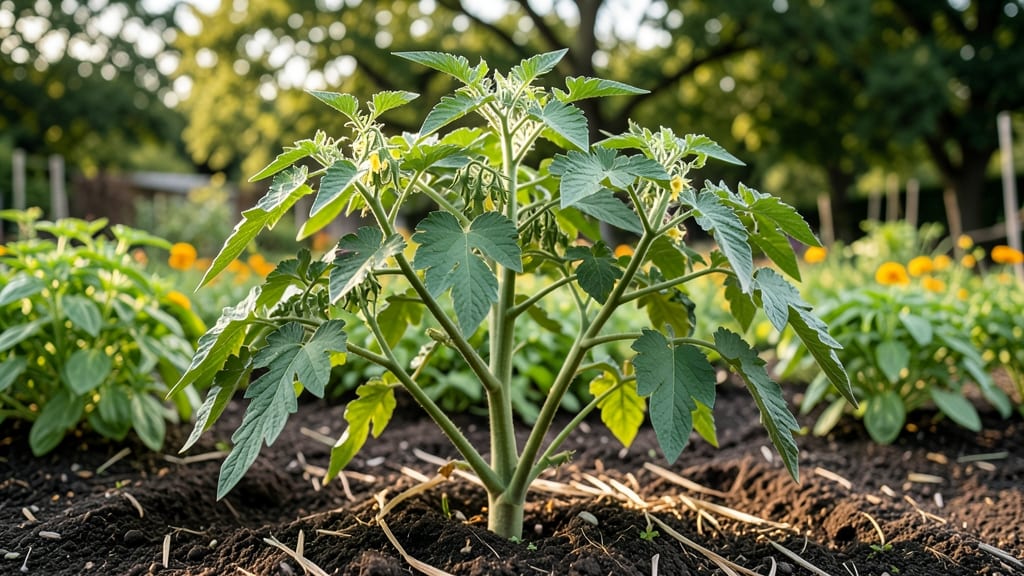
Growing Pineapple Beefsteak tomatoes means your summer harvest will taste like sunshine in every juicy bite. 🌞 These heirloom giants—with their 12-16 ounce fruits and tropical-sweet flavor—are worth the extra care, but they reward patience with tomatoes so flavorful you’ll skip the store-bought kind forever.
The secret starts with rich, well-draining soil mixed with compost, since these plants crave nutrients like no other tomato. Plant them in full sun (6+ hours daily) and stake them early—their vines can sprawl 6 feet or more if left unchecked.
Water consistently at the base (never the leaves) to prevent cracking, their biggest flaw. By mid-summer, you’ll be picking tomatoes with deep red skins and flesh so sweet it’s almost candy-like.
The flavor peaks when fully ripe, so resist the urge to harvest early—wait for that perfect balance of sugar and acid. Prune suckers regularly to focus energy on fruit production, and watch your plants transform into lush, productive machines. Common challenges?
Blossom end rot (fix with calcium) and pests (use row covers early). But with proper care, these tomatoes will make your garden the talk of the neighborhood—and your kitchen the happiest place in summer.
📚 In This Guide
- What you need
- Instructions
- Tips and common mistakes
- Wrapping up and next steps
What you need
- ● Pineapple beefsteak tomato seeds or seedlings: Choose heirloom, non-GMO seeds (e.g., from reputable seed companies like Baker Creek or Seed Savers Exchange). If starting from seed, you’ll need 3-5 seeds per plant (thin to the strongest seedling).
- ● Potting mix or garden soil: Use a well-draining, nutrient-rich mix (e.g., 60% potting soil + 30% compost + 10% perlite or vermiculite). For containers, a 5-gallon pot minimum is ideal.
- ● Fertilizer: Start with a balanced fertilizer (10-10-10) at planting.
- ● Switch to a low-nitrogen, high-phosphorus formula (5-10-10) when flowers appear to boost fruit production.
- ● Watering can or hose with a gentle spray nozzle: Tomatoes hate soggy roots—aim for 1-1.5 inches of water per week (adjust for heat/drought).
- ● Support system: Choose one of the following: Cage (5-6 ft tall, sturdy metal or plastic).
- ● Trellis or stakes (8 ft bamboo or wooden stakes + soft ties).
- ● Indoor grow light (if starting seeds early indoors).
- ● Pruning shears or scissors: For trimming suckers and shaping the plant.
- ● Mulch: Straw or shredded leaves to retain moisture and suppress weeds.
- ● Epsom salt: A handful dissolved in water (monthly) for magnesium boost.
- ● Compost tea or fish emulsion: For an organic nutrient kick during flowering.
- ● Row covers or shade cloth: To protect young plants from pests or harsh sun.
- ● Garden journal: Track planting dates, watering, and fruit development!
Step-by-step guide to growing Pineapple Beefsteak tomatoes
This heirloom variety delivers unmatched sweetness—here’s how to coax its massive, juicy fruits from seed to harvest.
🌱 Step 1: Start Seeds Indoors for Early Maturity
Plant seeds 8-10 weeks before your last frost date in 2-3 inch deep containers filled with sterile seed-starting mix. Pineapple Beefsteaks need a long growing season—don’t rush germination. Place seeds ¼ inch deep, cover lightly with mix, and keep soil at 75-85°F using a seedling heat mat if needed. Expect sprouts in 5-10 days—watch for first true leaves (not the initial seed leaves) before thinning.
I’ve found that sowing 2 seeds per cell and transplanting the stronger seedling later saves time. Use a spray bottle to water—heavy streams can bury seeds too deep. Once seedlings emerge, remove the heat mat but maintain 65-75°F soil temps to prevent legginess. You’ll know they’re thriving when stems are thick and dark green, not pale and stretched.
☀️ Step 2: Harden Off and Transplant After Frost
Two weeks before transplanting, begin hardening off seedlings by placing them outside in partial shade for 1-2 hours daily. Gradually increase exposure to full sun and wind over 10-14 days. Pineapple Beefsteaks are sensitive to cold—wait until soil is at least 60°F before moving them outdoors. Choose a sunny spot with 8+ hours of light and well-draining soil amended with compost.
Dig holes twice as wide as the root ball to encourage root spread. Space plants 3-4 feet apart—these tomatoes grow large and need room to avoid disease. Water deeply after transplanting to settle roots. I like to add a mulch ring around the base to retain moisture and suppress weeds, which is critical during the fruit-setting phase when plants need consistent hydration.
💧 Step 3: Support and Prune for Maximum Fruit Production
Install a sturdy stake or cage at transplant time—these tomatoes can weigh 1-2 pounds each and need support. Prune suckers (the shoots that form in the leaf axils) weekly to direct energy into fruit rather than foliage. Remove any leaves touching the ground to prevent soil-borne diseases like blight. You’ll see flower clusters form after 6-8 weeks of growth—pinch off the first few flowers to encourage stronger vines.
Water deeply 1-2 times per week, aiming for 1-1.5 inches of water total. Let soil dry slightly between waterings to prevent cracking. Fertilize with a balanced organic fertilizer (like 5-5-5) every 4-6 weeks once flowers appear. The key to sweetness is slow, steady growth—don’t over-fertilize with nitrogen, or you’ll get leafy vines and few fruits. Watch for yellowing lower leaves as a sign of overwatering or nutrient imbalance.
✂️ Step 4: Harvest at Peak Ripeness for Best Flavor
Pineapple Beefsteaks ripen 70-85 days after transplanting, but timing varies by climate. Harvest when fruits are fully colored (deep red with yellow-gold streaks) and slightly soft to the touch. Twist gently to avoid damaging the stem—if it resists, let it ripen another day. The flavor peaks in late summer heat, so don’t rush harvests. Store unripe tomatoes at room temperature to finish ripening; once ripe, refrigerate for up to 2 weeks.
I’ve learned the hard way that leaving tomatoes on the vine too long leads to cracking or splitting—especially in humid climates. If rain is forecast, harvest early and ripen indoors. A single vine can produce 20+ pounds of fruit, so plan for storage or sharing. The sweetest tomatoes develop deep red color and a slight give when gently squeezed. Save seeds from the best-tasting fruits for next year’s crop—they’re worth propagating!
Tips & tricks for growing Pineapple Beefsteak tomatoes
These small adjustments will help you grow the sweetest, most productive Pineapple Beefsteak tomatoes possible.
Germination Temperature: Maintaining that 75-85°F soil temperature during germination is non-negotiable for these heirlooms. If your home stays cooler, consider using a seedling heat mat or placing containers on top of your fridge. I've seen germination times stretch to 14 days when soil temps dip below 70°F—patience is key, but warmth speeds up the process. Once sprouts appear, maintain 65-75°F soil temps to prevent leggy seedlings that struggle later.
Transplanting Strategy: The 3-4 feet spacing between plants might seem generous, but it's essential for preventing disease and allowing proper air circulation. In crowded conditions, I've seen these massive tomatoes develop early blight within weeks. Another pro move: transplant on a cloudy day to reduce transplant shock. The roots will establish more quickly when not battling afternoon sun stress.
Pruning Precision: When you see those first flower clusters after 6-8 weeks, resist the urge to harvest immediately. Pinching off the first few flowers encourages the plant to focus on vine strength rather than fruit production. This might seem counterintuitive, but it leads to larger, sweeter tomatoes later in the season. I've found that plants that produce their first fruits too early often struggle with blossom end rot later when the fruits demand more calcium.
Harvest Timing: The 70-85 days after transplanting window is a guideline, but don't rely solely on days—watch for those deep red with yellow-gold streaks. In my experience, the sweetest tomatoes develop when nighttime temperatures stay above 70°F. If you're in a cooler climate, consider using black plastic mulch to warm the soil and accelerate ripening. The slight give when gently squeezed is your best indicator of peak sweetness.
Pro Tips for Pineapple Beefsteak Tomato
- These small adjustments will help you grow the sweetest, most productive Pineapple Beefsteak tomatoes possible.
- Germination Temperature: Maintaining that 75-85°F soil temperature during germination is non-negotiable for these heirlooms.
- Transplanting Strategy: The 3-4 feet spacing between plants might seem generous, but it's essential for preventing disease and allowing proper air circulation.
Frequently asked questions
Got questions about growing and enjoying the pineapple beefsteak tomato? You’re not alone! Here are some of the most common queries—plus straightforward answers to help you cultivate (and savor) this juicy, heirloom gem like a pro.
How long does it take for pineapple beefsteak tomatoes to bear fruit?
Patience is key! With proper care, these beauties typically start producing fruit 60–85 days after transplanting (check your seed packet for exact timing). Early blooms may drop, but don’t worry—consistent warmth and watering encourage robust harvests. Peak season hits mid-to-late summer, so plan your garden accordingly!
Why are my pineapple beefsteak tomatoes cracking?
Cracking is a common (but fixable!) issue. It usually happens when soil moisture fluctuates wildly—think heavy watering followed by drought. Water deeply but consistently, especially during fruit development, and mulch to retain moisture. Avoid overhead watering to prevent splitting too.
Can I grow pineapple beefsteak tomatoes in containers?
These vining tomatoes thrive in 5-gallon+ containers with well-draining soil and sturdy stakes or cages. Just ensure the pot gets 6–8 hours of sunlight daily and prune suckers to encourage upward growth. Container gardening is perfect for patios or small spaces!
What’s the best way to store harvested pineapple beefsteak tomatoes?
These tomatoes are best eaten fresh, but if you need to store them, place them stem-side down at room temperature (not in the fridge!) for up to 1 week. For longer storage, slice and freeze (great for sauces!) or ferment them into salsa—just avoid washing first to preserve texture.
Are there disease-resistant alternatives to pineapple beefsteak tomatoes?
If you’re prone to fungal issues, try ‘Brandywine’ or ‘Cherokee Purple’—both are heirloom varieties with disease resistance and similar sweet flavors. For hybrid options, look for ‘Celebrity’ or ‘Solar Fire’, which balance taste with hardiness. Always rotate crops yearly to prevent soil-borne diseases!
Wrapping up and next steps
There you have it—the Pineapple Beefsteak tomato is a summer garden superstar, bursting with sweetness, vibrant color, and a texture that makes every bite unforgettable! 🌞 Whether you’re growing it in your backyard or simply admiring its beauty at the farmers' market, this heirloom variety is a must-have for any tomato lover.
Now that you’re armed with the how-tos and pro tips, it’s time to get planting or savor the freshest harvest of the season.
Ready to take the next step? Try swapping store-bought tomatoes for your homegrown Pineapple Beefsteak in salads, sandwiches, or even grilled dishes—your taste buds will thank you! 🍅✨