
Vegetables
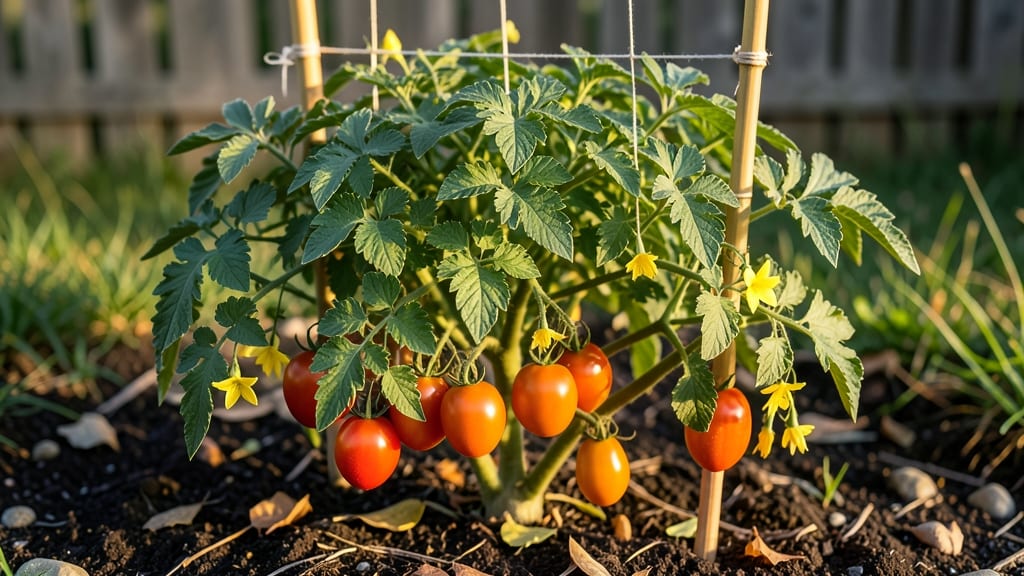
Growing pear cherry tomatoes in containers changed how I think about tomatoes—these cold-hardy perennials produce sweet, pear-shaped fruit all season long, even in cooler climates. 🌱 Unlike their annual cousins, they bounce back year after year, making them the ultimate low-maintenance star for small spaces and short growing seasons.
You’ll need a 5-gallon container with drainage, well-draining potting mix, and a spot that gets 6-8 hours of sunlight daily. These tomatoes thrive in zones 3-10, so they’re perfect for gardeners who’ve given up on tomatoes in cooler areas.
Water consistently—about 1 inch per week—but avoid soggy soil, which leads to rot.
Pruning keeps plants compact and productive: pinch off suckers (those little shoots between stems) and trim back leggy growth in early summer. The result? A bushy plant packed with 1-inch pear-shaped tomatoes that taste sweeter than store-bought.
Harvest starts in 70-80 days, but with perennials, the payoff gets better every year.
For frost-prone areas, overwinter plants in a garage or greenhouse and repot in spring. They’re tougher than annual tomatoes, so don’t be afraid to experiment with containers—balconies, patios, or even hanging baskets work. Once you try them, you’ll never go back to annuals again.
📚 In This Guide
- What you need
- Instructions
- Tips and common mistakes
- Wrapping up and next steps
What you need
- ● Pear cherry tomato seeds or seedlings: Choose cold-hardy varieties like 'Siberian' or 'Tumbling Tom' (3–5 plants per container).
- ● Containers: 5–10 gallon pots (one per plant) with drainage holes. Use lightweight materials like fabric grow bags or ceramic.
- ● Potting mix: High-quality, well-draining blend (e.g., 60% peat/coir, 30% perlite, 10% compost). Avoid garden soil.
- ● Fertilizer: Balanced organic fertilizer (10-10-10) or slow-release tomato-specific granules.
- ● Support system: Small stakes (6–12 inches tall) or tomato cages (4–6 inches in diameter) for climbing varieties.
- ● Mulch: Straw or shredded leaves (1–2 inches) to retain moisture and regulate temperature.
- ● Watering can or hose with gentle spray: For consistent moisture without damaging stems.
- ● Grow lights or shade cloth (for indoor/extreme climates).
- ● Self-watering container system (to reduce maintenance).
- ● Compost tea or mycorrhizal fungi (to boost root health).
- ● Pest deterrents (neem oil or row covers for early season).
Step-by-step guide to growing pear cherry tomatoes in containers
Here's how I've successfully revived this cold-hardy perennial in pots—ready for your own thriving harvest.
🌱 Step 1: Select and Prepare Cold-Hardy Pear Cherry Varieties
Choose disease-resistant varieties like 'Black Cherry' or 'Sungold' that thrive in cooler climates. I always opt for grafted plants on a vigorous rootstock like 'Beefsteak'—they handle temperature swings better and resist soil-borne diseases that plague container-grown tomatoes.
If starting from seed, pre-sprout indoors 8-10 weeks before last frost. Keep soil at 70-75°F for germination, then harden off seedlings gradually. The key is patience—these cold-hardy types need 10-14 days of 50°F night temperatures before transplanting to containers.
🪴 Step 2: Choose and Prepare Large Containers
Use 5-gallon fabric grow bags or 18-inch diameter pots with drainage holes—pear cherries need deep root space to handle both cold snaps and summer heat. I fill the bottom third with gravel or expanded shale for drainage, then add high-quality potting mix mixed with compost.
Add 1 cup slow-release fertilizer (10-10-10) and a handful of mycorrhizal fungi to the soil mix. This fungal partnership helps roots absorb water and nutrients more efficiently, which is crucial in containers where soil dries out faster. Water the mix thoroughly before planting—it should feel like a wrung-out sponge.
☀️ Step 3: Plant and Establish Early Support
Place your plant 1 inch deeper than its nursery pot to encourage strong root development. Immediately install a 6-foot tomato cage or bamboo stake—pear cherries grow indeterminately and need support from day one. I tie the main stem loosely with soft plant ties to prevent stem damage as it grows.
Water deeply right after planting to settle the soil around roots. Keep the container consistently moist for 2 weeks—watch for the top inch of soil to feel dry before watering again. This establishes root growth before the plant focuses on fruiting. Mulch with 2 inches of straw to retain moisture and regulate soil temperature.
💧 Step 4: Manage Water and Fertilize for Cold-Hardy Growth
Water in the morning to allow foliage to dry before evening—this prevents fungal diseases like early blight, which thrives in damp leaves. I check soil moisture by sticking my finger 2 inches deep; if it feels dry, it's time to water. Container-grown tomatoes dry out faster, so I water every 2-3 days in summer, adjusting for rain.
Feed with liquid fertilizer (5-5-5) every 2 weeks once flowers appear. I switch to fish emulsion in late summer to boost cold tolerance. The goal is balanced growth—too much nitrogen means leafy plants with few fruits, while too little results in small, bland cherries.
⏰ Step 5: Protect and Extend the Season
When night temperatures drop below 45°F, cover plants with frost blankets or move containers to a sheltered spot. I've kept pear cherries producing until first hard frost using this method. Remove covers during the day to prevent overheating—these plants need sunlight to ripen fruit.
Prune suckers (side shoots) regularly to focus energy on fruit production. I also pinch off the first few flowers if the plant looks stressed—this encourages stronger growth before the main harvest. With proper care, you'll get 2-3 harvests per season, even in cooler climates.
Tips & tricks for growing thriving pear cherry tomatoes in containers
These cold-hardy tomatoes reward patience and precision—here's how to maximize your harvest with minimal fuss.
Seed Starting Strategy: When pre-sprouting seeds indoors for 8-10 weeks, maintain consistent soil moisture without oversaturating—think "wrung-out sponge" texture. I use a heat mat set to 75°F for germination, then gradually reduce heat to 68°F once sprouts emerge. This temperature shift prevents leggy seedlings that struggle later. The 10-14 days of 50°F night temperatures before transplanting is non-negotiable for hardening off these varieties—skipping this step often leads to transplant shock.
Container Depth Matters: Never skimp on container size—pear cherries need that full 5-gallon capacity to handle both seasonal extremes. I've learned the hard way that shallower pots (under 12 inches deep) restrict root growth, leading to stunted plants that produce fewer fruits. The gravel drainage layer isn't just for aesthetics—it prevents soggy soil that invites root rot, especially in cooler climates where drainage slows.
Fertilizer Timing: That initial 1 cup of slow-release 10-10-10 fertilizer should last through the first 6-8 weeks of growth. Once flowers appear, switch to liquid 5-5-5 every 2 weeks—but here's the secret: dilute it to half-strength. Over-fertilizing at this stage causes excessive leaf growth at the expense of fruit production. The fish emulsion in late summer is my favorite trick for boosting cold tolerance without burning roots.
Cold Protection Hacks: When night temps drop below 45°F, I double up on protection: frost blankets during the night plus a reflective bubble wrap sleeve around the container during the day. This creates a microclimate that can extend your harvest by 3-4 weeks. The key is removing covers by 10am to prevent overheating—pear cherries need that sunlight to ripen fruit properly.
Pro Tips for Pear Cherry Tomatoes
- These cold-hardy tomatoes reward patience and precision—here's how to maximize your harvest with minimal fuss.
- Seed Starting Strategy: When pre-sprouting seeds indoors for 8-10 weeks, maintain consistent soil moisture without oversaturating—think "wrung-out sponge" texture.
- Container Depth Matters: Never skimp on container size—pear cherries need that full 5-gallon capacity to handle both seasonal extremes.
Frequently asked questions
Got questions about growing pear cherry tomatoes?
You’re not alone! Here are answers to the most common queries—whether you’re a first-time gardener or a container-growing pro.
Are pear cherry tomatoes truly perennial?
In mild climates (USDA Zones 8–11), pear cherry tomatoes can live for years as perennials, especially in containers. However, they’re often grown as annuals in colder zones due to frost sensitivity. With proper winter care (like mulching or moving pots indoors), you can extend their lifespan!
How long does it take for pear cherry tomatoes to fruit?
Expect 60–90 days from transplanting to harvest, depending on your climate and growing conditions. In containers, they may take slightly longer to mature than in-ground plants. Pro tip: Use a heat mat early in the season to speed up germination and growth!
Can I substitute pear cherry tomatoes for regular cherry tomatoes in recipes?
Their sweet, pear-like flavor makes them a fantastic swap, especially in salads, skewers, or sauces. However, their smaller size means you’ll need about 2–3 times more by volume compared to standard cherry tomatoes. Try them in caprese salads or as a snack!
How do I protect pear cherry tomatoes from frost?
Pear cherry tomatoes are not frost-tolerant, but you can shield them with:
- Row covers or frost cloths (remove during daylight)
- Moving containers to a sheltered spot (like a garage or under eaves)
- Using a heat lamp or space heater for overnight warmth (safely!
If frost hits, harvest any ripe tomatoes immediately—they’ll keep for a few days in the fridge.
Why aren’t my pear cherry tomatoes producing fruit?
Common culprits include:
- Insufficient sunlight: They need 6–8+ hours of direct sun daily.
- Overwatering or poor drainage: Containers must have drainage holes to prevent root rot.
- Lack of pollinators: Hand-pollinate with a small brush if bees are scarce.
- Temperature stress: They thrive in 70–85°F; extreme heat or cold can halt flowering.
Try adjusting care and monitor for pests like hornworms or aphids, which can stress plants.
Wrapping up and next steps
Pear cherry tomatoes are a game-changer for gardeners craving cold-hardy, perennial productivity—especially in containers! 🌱 Their sweet flavor, compact size, and resilience make them perfect for small spaces or cooler climates.
Whether you're a seasoned grower or just starting, these tomatoes offer a delicious and low-maintenance way to elevate your harvest.
Ready to dive in? Start by gathering your supplies, then plant with confidence—your future tomato feasts are just a season away! 🍅✨ Review the essentials or brush up on tips before you begin.