
Vegetables
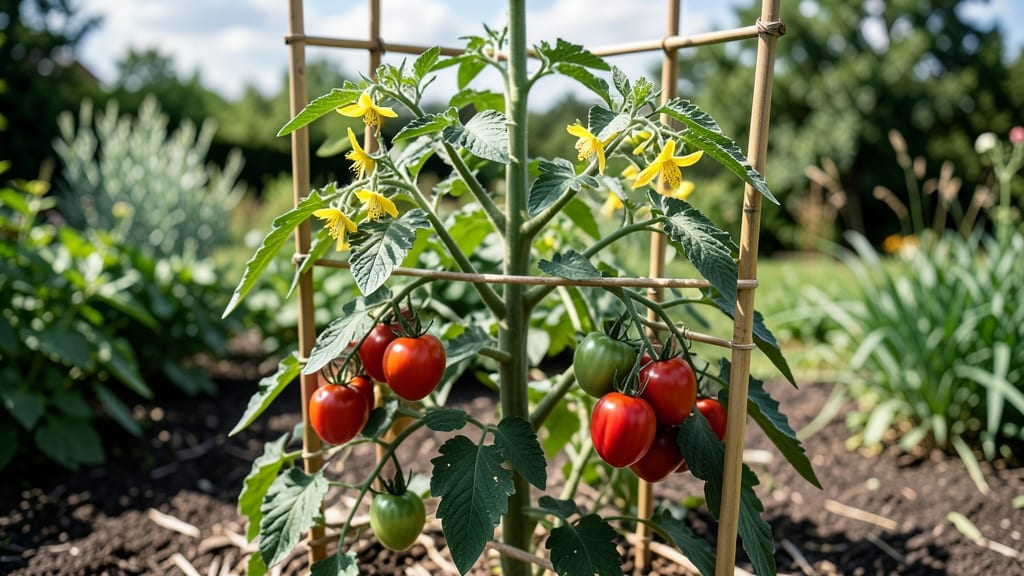
Growing orange roma tomato plants in containers is a game-changer for small spaces—these sturdy vines hold their shape better than most tomatoes, and the flavor? Sweet-tart perfection that beats store-bought by a mile. 🌱 I’ve grown them in 5-gallon pots for years, and they’ve never once toppled over like my floppy heirlooms do.
The secret lies in their compact, upright growth habit and thick stems, which handle container life better than traditional red Romas. You’ll need well-draining soil, a 10-15 gallon pot for each plant, and a sunny spot (at least 6-8 hours of direct sun).
Start seeds indoors 6-8 weeks before last frost, then transplant when seedlings are sturdy. Once planted, water deeply 2-3 times a week, keeping soil moist but not soggy. Prune suckers regularly to encourage stronger stems, and fertilize every 2-3 weeks with a balanced tomato feed.
Watch for hornworms and early blight—my biggest pests—but the payoff is worth it. By mid-summer, you’ll be harvesting bright orange, meaty tomatoes perfect for sauces, salsas, or slicing. These plants keep producing until frost, and their disease resistance makes them low-maintenance stars. Ready to try them in your containers?
📚 In This Guide
- What you need
- Instructions
- Tips and common mistakes
- Wrapping up and next steps
What you need
- ● Orange Roma tomato seeds or seedlings: 1–2 plants (choose disease-resistant varieties like 'Roma Orange' or 'Sungold Roma').
- ● Containers: 5-gallon pots or fabric grow bags (minimum 12" deep and wide). Pro tip: Drainage holes are a must! 🔥
- ● High-quality potting mix: 1 bag (sterile, well-draining blend with compost or coconut coir). Avoid garden soil—it compacts!
- ○ Tomato cages or stakes: 3–4 ft tall (galvanized metal or sturdy bamboo). Optional: Twine or plant ties for extra support.
- ● Balanced fertilizer: 10-10-10 or organic options like fish emulsion (follow label for dilution).
- ● Mulch: Straw or shredded leaves (2–3 inches) to retain moisture and suppress weeds.
- ● Watering can or hose with a gentle spray nozzle: Containers dry out fast!
- ● Self-watering system: A reservoir or drip irrigation kit to keep roots happy.
- ● Epsom salt: 1 tbsp dissolved in water (monthly) for magnesium boosts.
- ● Row covers or shade cloth: For early planting or hot climates.
- ● Pruning shears: To trim suckers and encourage bushier growth.
- ● pH test kit: Aim for 6.0–6.8 for optimal nutrient uptake.
How to grow Orange Roma tomatoes in containers without flopping
Here's my battle-tested method for growing these flavor-packed tomatoes in pots—no floppy vines in sight.
🌱 Step 1: Choose the Right Container and Support System
Orange Roma tomatoes need 5-gallon containers minimum for their sturdy vines. I use fabric grow bags because they breathe better than plastic and prevent root circling. Add two sturdy tomato cages (6 feet tall) or a heavy-duty trellis immediately—these vines get 6-8 feet tall if left unchecked. The key is installing support before planting so you don't disturb roots later.
Drill 4-6 drainage holes in the bottom if using pots without them. I like to add a 1-inch layer of gravel at the base first—this prevents soil from clogging the holes while still allowing water to escape. Place your container where it won't get moved; these plants hate root disturbance once established.
🌿 Step 2: Plant with Proper Spacing and Staking Techniques
Fill the container with high-quality potting mix (never garden soil—it compacts in containers). Add a slow-release fertilizer (10-10-10) mixed into the top 4 inches of soil. Plant your Orange Roma seedlings when they have 4-5 true leaves, about 2-3 weeks after germination. Dig a hole twice as wide as the root ball but only as deep as the pot they came in—deeper planting stresses the plant.
Place the seedling in the center of the container, then secure the main stem to the cage or trellis with soft plant ties. I like to use velcro plant straps because they're reusable and won't cut into the stem as it thickens. Space two plants per 5-gallon container if you're growing bush-type Roma varieties, but for standard vining types, one plant per container gives them room to thrive.
☀️ Step 3: Maintain Optimal Light and Watering for Container Strength
Orange Roma tomatoes need full sun (6-8 hours daily)—no compromises. If your patio only gets 4-5 hours, supplement with a grow light for 14 hours/day. I've seen these plants bolt to flower when light-starved, which means smaller, less flavorful fruit. Water deeply twice weekly (about 1 gallon per plant) until the top 2 inches of soil feel dry—this encourages deep root growth that keeps vines sturdy.
Here's the trick: water at the base, never overhead. Wet leaves invite early blight, and container-grown plants dry out faster. I use a soaker hose for 10 minutes every other day to keep moisture even. After watering, check the container's weight—it should feel solid, not light. If it's too light, water again immediately.
✂️ Step 4: Prune and Train for Maximum Stability
Pruning isn't just about yield—it's about preventing flopping. Remove suckers (the shoots that grow between main stems and branches) weekly. These compete for energy and weaken the main vine. Pinch off any leaves touching the soil to improve airflow and reduce disease. I also trim the bottom 12 inches of leaves once the plant hits 3 feet tall—this directs energy upward where it's needed.
As the vine grows, tie it to the support every 12 inches using new plant ties. The goal is to keep the main stem vertical—never let it lean. If you see a side branch getting too heavy, prune it back by half. This might seem harsh, but it prevents the entire plant from toppling. Harvest every 2-3 days to encourage more production—overripe fruit weighs vines down.
🪴 Step 5: Fertilize and Mulch for Container-Specific Needs
Feed your Orange Roma tomatoes every 3-4 weeks with a balanced liquid fertilizer (5-5-5) after the first fruit sets. I mix ½ teaspoon of Epsom salt per gallon of water monthly to prevent blossom-end rot—a common issue in containers. The calcium boost keeps fruit firm and prevents that dreaded hollow, leathery spot.
Top the container with 2 inches of mulch (straw or shredded leaves) to retain moisture and regulate soil temperature. This is non-negotiable in containers—soil heats up faster and dries out quicker. Replenish mulch every 4-6 weeks as it breaks down. If you notice yellowing leaves, it's usually a sign of overwatering or nutrient burn—cut back on water and flush the soil with plain water to reset the balance.
Tips & tricks for growing sturdy Orange Roma tomatoes in containers
Container gardening with Orange Roma tomatoes requires a few strategic moves to keep those vines upright and productive. These battle-tested tricks will help you avoid the most common pitfalls while maximizing flavor and yield.
Support System Stability: When installing your two sturdy tomato cages or trellis in Step 1, anchor them securely to the ground or a heavy base. I've seen cages topple when plants hit their 6-8 foot height—especially in windy conditions. Bury the bottom 6 inches of the cage or trellis in the soil for extra stability. For fabric grow bags, consider adding a third support stake in the center for additional reinforcement as the vine grows. The goal is to create a structure that won't wobble when the plant reaches maturity.
Root Ball Technique: In Step 2, when transplanting your seedlings, gently loosen the root ball before placing it in the container. This encourages roots to spread outward rather than circling at the edges. I also recommend adding a handful of compost to the planting hole—this gives roots an immediate nutrient boost as they establish. The twice-as-wide hole specification is crucial for preventing root binding, which leads to floppy growth.
Watering Consistency: The twice-weekly watering schedule in Step 3 works best when paired with a consistent routine. I've found that morning watering prevents afternoon wilting and disease pressure. Use the soaker hose for exactly 10 minutes per plant to ensure even moisture distribution. If you notice the container feels light between waterings, it's time to increase frequency—container-grown plants dry out faster than in-ground plants. The weight-check method is foolproof for determining when to water again.
Pruning Strategy: When you reach Step 4 and begin pruning suckers, focus on removing those that appear between the main stem and branches, not the ones growing upward. These lateral suckers compete for energy that could go toward fruit production and vine stability. I also recommend keeping a small pruning shears handy—sharp cuts heal faster than torn ones. The 12-inch leaf trim at 3 feet height might seem drastic, but it's what prevents the lower vine from becoming a tangled mess that drags the plant down.
Pro Tips for Orange Roma Tomato
- Container gardening with Orange Roma tomatoes requires a few strategic moves to keep those vines upright and productive.
- Support System Stability: When installing your two sturdy tomato cages or trellis in Step 1, anchor them securely to the ground or a heavy base.
- Root Ball Technique: In Step 2, when transplanting your seedlings, gently loosen the root ball before placing it in the container.
Frequently asked questions
How do I know when Orange Roma tomatoes are fully ripe?
Look for a deep, uniform orange color (not red or green!), a slightly soft texture when gently squeezed, and a fragrant, sweet aroma near the stem. If they’re still firm with a dull hue, they need more time on the vine. Pro tip: Harvest in the morning for peak flavor!
Why are my Orange Roma tomato plants flopping over in containers?
Floppy vines usually mean overcrowding, underwatering, or lack of support. Prune suckers, stake or cage plants early, and ensure containers have drainage. For containers, 5-gallon pots work best—uprooted roots can’t stretch for nutrients! Bonus: Mulch to retain moisture.
Can I substitute Orange Roma tomatoes for red Roma in recipes?
They’re genetically identical to red Romas but sweeter and lower in acidity. Swap 1:1 in sauces, salsas, or stuffing. Warning: Their vibrant color may surprise your dish—great for presentation! For roasting, their firmer flesh holds up better than heirlooms.
How should I store Orange Roma tomatoes to keep them fresh?
Store unripe tomatoes at room temp (like bananas!) to ripen. Once ripe, refrigerate for 3–5 days (they’ll soften faster). Never wash before storing—moisture speeds rot. For long-term use, freeze peeled, sliced tomatoes in olive oil or blend into sauces. Freeze tip: Add a pinch of salt to prevent browning!
What pests commonly attack Orange Roma tomatoes in containers?
Watch for hornworms (green caterpillars), aphids (sticky leaves), and whiteflies. Handpick hornworms or spray with neem oil. Preventative trick: Plant basil or marigolds nearby to repel pests naturally. Avoid over-fertilizing—soft growth attracts bugs!
Wrapping up and next steps
Growing orange Roma tomatoes in containers isn’t just possible—it’s a rewarding way to enjoy fresh, flavorful harvests without the fuss! 🌱 Their sturdy vines and compact size make them perfect for balconies, patios, or small gardens, proving that big yields can come in small packages.
Whether you’re a beginner or a seasoned gardener, these tomatoes are a game-changer for urban or space-limited growers.
Ready to dive in? Start by gathering your supplies, pick the right container, and give these vibrant plants the love they deserve. Your future salads, sauces, and sandwiches will thank you! 🍅✨