
Vegetables
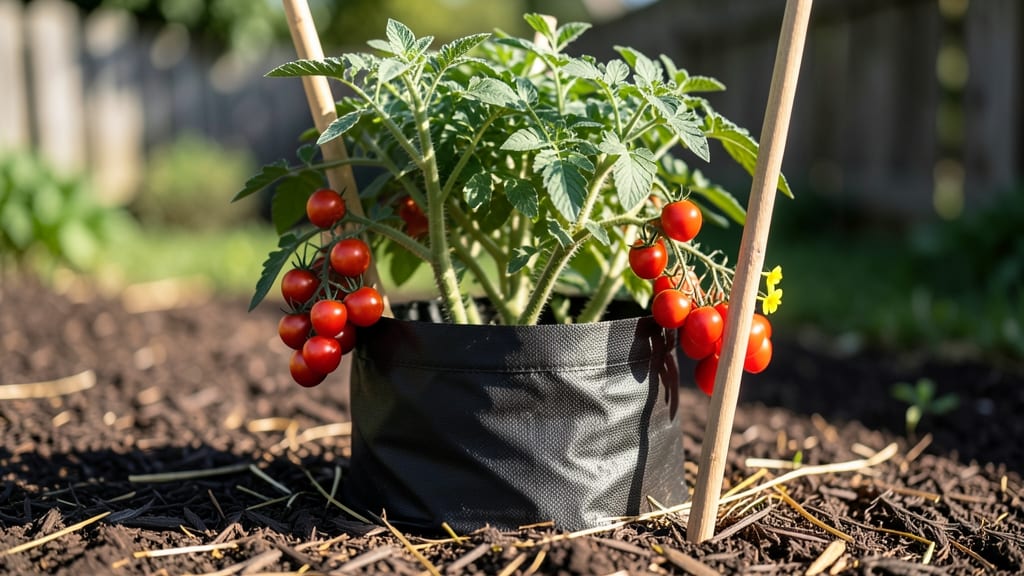
Growing Lolli Bomb tomatoes proves you don't need a sprawling garden for big harvests. 🌱 These compact, flavor-packed varieties thrive in containers or small plots, producing 2-3 pound fruits on sturdy vines that rarely need staking.
My first batch last summer yielded enough tomatoes for sauces, salads, and sandwiches—all from a single 5-gallon pot on my balcony. The secret lies in their determinate growth habit: vines stay manageable (3-4 feet tall), flowers appear early, and fruit ripens all at once.
You'll need 6-8 hours of sun daily, well-draining soil mixed with compost, and consistent moisture—never soggy roots. Prune suckers weekly to keep energy focused on fruit production, not leafy growth. By mid-July, you'll be harvesting deep red, beefsteak-style tomatoes that burst with sweet-tart flavor.
The plants handle heat better than most varieties, and their compact size makes them perfect for urban gardens, small yards, or even indoor growing setups with strong lights. Common issues? Overwatering causes blossom end rot, while poor sunlight leads to leggy plants.
Start seeds indoors 8-10 weeks before last frost for the earliest harvest, or buy sturdy transplants in early spring. With the right care, these tomatoes deliver reliable yields in tight spaces—no green thumb required.
📚 In This Guide
- What you need
- Instructions
- Tips and common mistakes
- Wrapping up and next steps
What you need
- ● Lolli Bomb Tomato Seeds – 3–5 seeds per container (or 1 seed per cell if starting in trays). Look for heirloom or hybrid varieties labeled for small spaces!
- ● Growing Containers – 5-gallon fabric pots, hanging baskets (12"+ diameter), or window boxes with drainage holes. Pro tip: Fabric pots reduce root circling!
- ● High-Quality Potting Mix – A sterilized, well-draining mix (e.g., 60% potting soil + 30% perlite + 10% compost). Avoid garden soil—it compacts!
- ○ Tomato Cages or Trellis – 5–6 ft tall stakes or a sturdy trellis (lolli bombs grow 4–6 ft tall!). Optional: Florida Weave for extra support.
- ● Fertilizer – Balanced, slow-release fertilizer (10-10-10 or 5-5-5) or organic options like worm castings or fish emulsion.
- ● Mulch – Straw, shredded leaves, or black plastic mulch to retain moisture and suppress weeds.
- ● Hand Trowel – For transplanting seedlings.
- ● Spray Bottle – For gentle watering during germination.
- ● Pruning Shears – To trim suckers and encourage bushier growth.
- ○ Gloves – Optional but helpful for handling soil and plants.
- ● Sunlight Access – 6–8+ hours of direct sun daily (south-facing window, balcony, or greenhouse).
- ● Watering Can – With a rose attachment for deep, even watering.
- ● Grow Lights – If starting indoors before last frost (14–16 hours/day).
- ● Drip Irrigation Kit – For automated watering in containers.
- ● Plant Markers – To label varieties (especially if growing multiple types!).
- ● Copper Tape – Wrap around stakes to deter pests like slugs.
- ● Compost Tea – Boosts microbial activity in soil for healthier plants.
Step-by-step guide to growing Lolli Bomb tomatoes in small spaces
Here's how to coax these compact, flavor-packed tomatoes into thriving vines—even with limited room.
🌱 Step 1: Select Containers and Prepare Growing Medium
Lolli Bombs need 5-gallon containers minimum—their sturdy vines demand room for roots and support. I use fabric grow bags because they prevent root circling and allow excess moisture to escape. Fill each with high-quality potting mix blended with 20% perlite for aeration. This lightweight mix prevents compaction while holding moisture without suffocating roots.
Moisten the mix until it feels like a wrung-out sponge—damp but not dripping. Tap the container gently to settle the soil without compacting it. The goal is a loose, fluffy texture that encourages root exploration. I always add a slow-release fertilizer (like Osmocote) at planting time to provide steady nutrients without risking burn.
🌿 Step 2: Plant Transplants and Install Support Early
Set your Lolli Bomb transplant into the container so the stem sits just below the soil line—burying too deep can cause rot, while planting too high stresses the plant. Gently firm the soil around the base, then water thoroughly until it drains from the bottom. These tomatoes grow 3-4 feet tall but stay compact, so I install a 4-foot bamboo stake or spiral trellis immediately after planting.
Weave the main stem loosely around the support as it grows—this prevents wind damage and guides upward growth. Real talk: Don't wait until the plant is lanky to add support. The first true leaves are your signal to tie the stem in place before it gets top-heavy. Use soft plant ties or strips of old T-shirt fabric to avoid damaging the stem.
☀️ Step 3: Position for Maximum Light and Heat
Lolli Bombs thrive in full sun (6-8 hours daily) and warmth (70-85°F). A south-facing window delivers the best results, but most homes can't provide enough intensity. I use a full-spectrum LED grow light on a 14-hour timer positioned 6 inches above the plants. Move it higher as the plant grows to maintain that distance.
Watch for leggy growth—thin, pale stems with leaves spaced far apart. This means your light is too far away or too weak. Strong plants have thick stems, deep green color, and compact leaf spacing. If you notice wilting in afternoon heat, move the container to a shadier spot temporarily—these tomatoes prefer warmth but hate scorching.
💧 Step 4: Water Deeply and Maintain Consistent Moisture
Water when the top 1-2 inches of soil feel dry to the touch. Lolli Bombs hate soggy roots but also despise drought stress. I water deeply in the morning using a drip irrigation system or watering can with a narrow spout to direct moisture to the base. Avoid wetting leaves to prevent fungal diseases like early blight.
Mulch the surface with 1-2 inches of straw to retain moisture and regulate soil temperature. Here's the thing—Lolli Bombs produce better flavor when watered consistently. If you see blossom-end rot (black, sunken spots on fruit), it's a sign of uneven moisture. Adjust your watering to keep the soil evenly damp but never waterlogged.
✂️ Step 5: Prune and Harvest for Continuous Production
Pinch off the first flowers that appear until the plant has 4-5 main stems. This encourages a bushier, more productive plant. Once established, remove suckers (the small shoots that form in the leaf axils) to direct energy into fruit production. I prune in the morning when the plant is turgid—it recovers faster and heals cleaner.
Harvest when tomatoes are fully colored but still slightly firm—this prevents overripening and cracking. Lolli Bombs ripen unevenly, so I check the cluster every 2-3 days. Use pruning shears to cut stems cleanly, leaving a small stub. The more you harvest, the more the plant produces. Store ripe tomatoes at room temperature and move them to the fridge only when fully ripe to preserve flavor.
Tips & tricks for perfect Lolli Bomb tomatoes
These simple tricks will help you transform your small-space garden into a tomato powerhouse.
Container Selection: Fabric grow bags are my go-to because they prevent root circling and allow excess moisture to escape. If you don't have fabric bags, use 5-gallon plastic containers with drainage holes drilled in the bottom. The key is preventing waterlogged roots while maintaining consistent moisture—Lolli Bombs thrive when their roots have room to breathe. I've seen roots grow through drainage holes in just 3 weeks, so make sure your containers are sturdy enough to handle that growth.
Lighting Strategy: The 6-8 hours of full sun requirement is non-negotiable for these tomatoes. If your south-facing window doesn't provide enough light, invest in a quality LED grow light on a 14-hour timer. Position it 6 inches above the plants and adjust as they grow. I've found that moving the light higher prevents leggy growth—look for thick stems and compact leaf spacing as your success indicators. For maximum efficiency, use a timer to automate the light cycle and maintain consistent growth patterns.
Pruning Technique: When pinching off those first flowers to encourage bushier growth, aim for 4-5 main stems. This might feel counterintuitive since you're removing potential fruit, but it pays off in the long run with more robust plants. I prune in the morning when the plant is turgid—this helps the plant recover faster and heals cleaner. Use clean pruning shears to avoid damaging the stem, and always make cuts at a 45-degree angle just above a leaf node to encourage new growth.
Watering Wisdom: The top 1-2 inches dry test is your best friend here. These tomatoes hate both soggy roots and drought stress, so aim for consistently damp soil without waterlogging. I've found that mulching with 1-2 inches of straw helps maintain even moisture levels and regulates soil temperature. If you notice blossom-end rot developing, it's a clear sign you need to adjust your watering consistency—this calcium deficiency appears when moisture fluctuates too much.
Pro Tips for Lolli Bomb Tomatoes
- These simple tricks will help you transform your small-space garden into a tomato powerhouse.
- Container Selection: Fabric grow bags are my go-to because they prevent root circling and allow excess moisture to escape.
- Lighting Strategy: The 6-8 hours of full sun requirement is non-negotiable for these tomatoes.
Frequently asked questions
Got questions about growing lolli bomb tomatoes?
You’re not alone! Here are some of the most common queries—plus quick, actionable answers to help your plants thrive in even the coziest spaces.
What’s the best container size for lolli bomb tomatoes?
Lolli bomb tomatoes are compact but still need 5-gallon containers (or larger) to support their vines and root systems. A minimum 12-inch diameter ensures stability and prevents overcrowding. If growing in pots, opt for fabric or self-watering containers to improve drainage and moisture retention.
How long does it take for lolli bomb tomatoes to produce fruit?
From seed to harvest, expect 60–75 days in ideal conditions (warm soil, full sun, and consistent watering). If you’re starting with transplants, fruit may appear in 45–60 days. Patience pays off! Prune suckers early to redirect energy to fruit production and speed up maturation.
Can I grow lolli bomb tomatoes in hanging baskets?
Their determinate growth habit makes them perfect for hanging baskets (use 10–15 gallon sizes). Ensure the basket has drainage holes and line it with coco coir or sphagnum moss to retain moisture. Hang in a south- or west-facing spot for maximum sunlight exposure.
What should I do if my lolli bomb tomatoes turn yellow?
Yellowing leaves usually signal overwatering, nutrient deficiency, or disease. First, check the soil—it should be moist but not soggy. If roots smell rotten, repot in fresh soil. For yellowing between veins, lack of magnesium may be the culprit; try a Epsom salt spray (1 tbsp per gallon of water). Fungal issues? Prune affected leaves and improve airflow.
Are lolli bomb tomatoes self-pollinating?
Yes! These tomatoes are self-pollinating, meaning they don’t require bees or manual shaking to produce fruit. However, gentle shaking of the plant (especially on calm days) can boost pollination and increase yield. If growing indoors, a small handheld fan for 5 minutes daily can mimic wind pollination.
Wrapping up and next steps
Growing lolli bomb tomatoes is a rewarding adventure—whether you’re a seasoned gardener or a beginner with limited space! These compact, flavor-packed vines prove that big yields don’t require big plots. With the right care, you’ll soon be savoring homegrown tomatoes that burst with sweetness and tang.
Ready to take the next step? Start small—pick a sunny spot, grab your seeds or seedlings, and let these resilient plants thrive. Happy growing! 🌱✨