
Vegetables
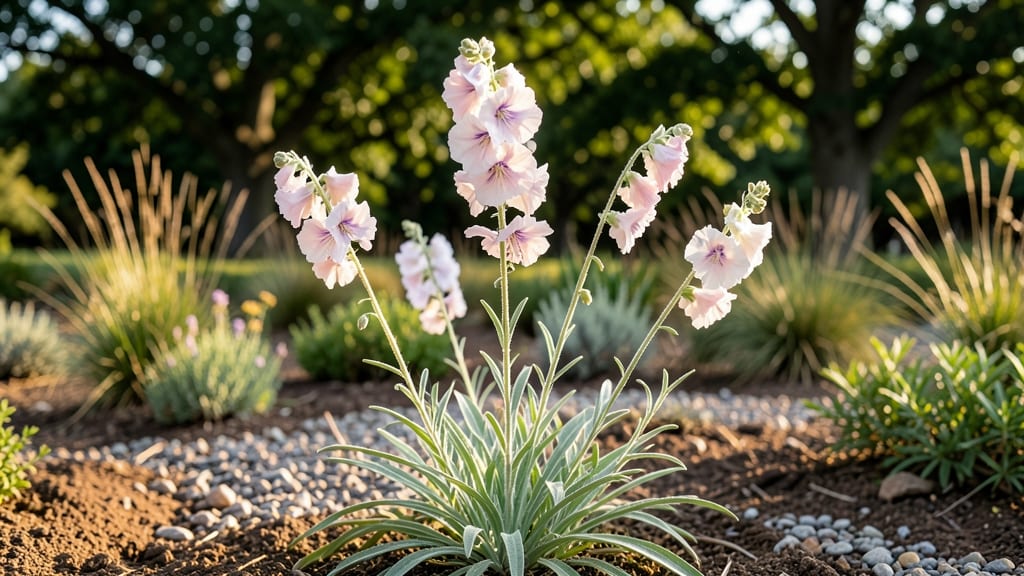
Growing large-flowered gaura means nearly nonstop blooms from spring until frost—even in sweltering heat. 🌸 These drought-tolerant beauties with their delicate, frilly petals outshine regular gaura, and they’re easier to grow than you’d think once you know their secrets.
The key to happy gaura is full sun and fast-draining soil—they hate soggy roots. Plant them in well-amended beds or containers with 1-2 inches of gravel at the bottom to improve drainage.
Unlike standard gaura, the large-flowered varieties like 'Siskiyou Pink' produce blooms 2-3 times bigger, making them stand out in cottage gardens or as cut flowers. Once established, they barely need water—deep soaks every 2-3 weeks keep them thriving without the fuss.
Deadhead spent blooms in early summer to encourage a second flush, and watch as they fill your garden with butterfly-attracting color all season long. Perfect for hot, dry climates, they even handle poor soil better than many perennials. Here’s how to get those showstopping blooms growing strong in your garden!
📚 In This Guide
- What you need
- Instructions
- Tips and common mistakes
- Wrapping up and next steps
What you need
- ● Large-flowered gaura plants: 3–5 healthy nursery starts (check for vibrant foliage and buds).
- ● Well-draining soil: A mix of native soil + compost (or cactus/succulent blend for extra drainage).
- ● Sunlight access: Full sun (6+ hours daily) or partial shade (for hotter climates).
- ● Watering can or hose: With a gentle spray nozzle for hydration.
- ○ Mulch (optional but recommended): 1–2 inches of gravel or organic mulch to retain moisture.
- ○ Garden gloves: For easy handling (optional but handy!).
- ● Pruning shears: Sharp, clean pair for trimming spent blooms.
- ● Fertilizer (low-nitrogen): Balanced 10-10-10 or slow-release granules (apply sparingly).
- ● Stakes or supports: Only if planting in windy areas (gaura is typically self-supporting).
Step-by-step guide to growing large flowered gaura
This drought-resistant beauty thrives with minimal fuss—here’s how to coax those delicate blooms into full, heat-loving glory.
🌱 Step 1: Choose the Perfect Planting Location
Large flowered gaura craves full sun—at least 6-8 hours daily—to produce its signature ruffled blooms. I always scout the sunniest, driest corner of my garden because gaura despises soggy roots. If your soil drains poorly, consider planting on a slight mound or in a raised bed to prevent waterlogging.
Test your spot by observing how fast water drains after a rain. If puddles linger for more than an hour, amend the soil with 2-3 inches of coarse sand or perlite mixed into the top 12 inches of soil. Gaura’s roots need oxygen, and compacted soil suffocates them.
🪴 Step 2: Prepare Soil for Optimal Drainage
Gaura thrives in well-draining, slightly alkaline soil with a pH between 6.0 and 7.5. Before planting, loosen the soil to a depth of 12 inches with a garden fork, breaking up any compacted layers. I swear by adding 1-2 inches of compost to improve fertility without increasing moisture retention.
For containers, use a fast-draining mix—I blend 50% potting soil, 30% perlite, and 20% coarse sand. Fill the pot to 1 inch below the rim, leaving room for watering. Gaura’s roots are shallow but spread widely, so a 12-inch diameter container gives each plant enough room to establish.
🌿 Step 3: Plant with Spacing for Airflow
Space gaura plants 18-24 inches apart to allow airflow, which prevents fungal diseases like powdery mildew. Dig holes just deep enough to accommodate the root ball—no deeper, or the plant may rot. Gently tease the roots if they’re circling tightly in the container, then place the plant in the hole.
Backfill with native soil, pressing lightly to eliminate air pockets. Water deeply to settle the soil, but avoid creating a muddy mess. Gaura’s delicate stems can flop under their own weight, so I often stake taller varieties with 3-foot bamboo stakes inserted at planting. Mulch with 1-2 inches of gravel or small stones to keep roots cool and deter weeds.
☀️ Step 4: Water Deeply but Infrequently
Gaura’s drought tolerance is legendary, but deep, infrequent watering is key. Water once a week during the first month to help roots establish, then taper to every 10-14 days once mature. Let the top 2 inches of soil dry out completely between waterings—gaura wilts dramatically when thirsty but bounces back quickly.
Water at the base of the plant in the early morning to reduce evaporation. Avoid overhead watering, which can splash soil onto leaves and encourage fungal spores. If your area experiences scorching summer heat, provide light afternoon shade until the plants acclimate—this prevents leaf scorch while still allowing full sun exposure.
✂️ Step 5: Prune for Bushier Growth and Continuous Blooms
Deadhead spent blooms by pinching off stems just above a set of leaves to encourage more flowers. I do this every 2-3 weeks throughout the growing season. Gaura also benefits from a light pruning in early spring, cutting back one-third of the plant’s height to promote fresh, bushier growth.
If your gaura flops over, trim leggy stems to half their length and stake them again. The plant will regrow compactly, and you’ll get a second flush of blooms. Gaura is hardy to USDA Zone 5, so in colder climates, cut back to 4-6 inches tall in fall and mulch heavily to protect roots from freeze-thaw cycles.
Tips & tricks for perfect large flowered gaura growth
Between us, gaura's secret to stunning blooms lies in the details—here's what nobody tells you about making these drought-lovers truly thrive.
Sunlight Strategy: That 6-8 hour daily sun requirement isn't just about light—it's about intensity. I've seen gaura in full sun gardens produce blooms twice as large as those getting just 6 hours. For maximum ruffled perfection, position plants where they'll catch morning sun and afternoon light without harsh midday glare. In extremely hot climates, a sheer white shade cloth (30% shade) during peak afternoon hours can actually increase bloom production by reducing stress.
Soil Science: The 12-inch deep soil amendment isn't just about drainage—it's about creating an oxygen-rich zone where roots can spread freely. I've had the best results using a mix of coarse sand and perlite right down to that depth, especially in clay-heavy soils. For containers, that 50-30-20 blend (potting soil/perlite/sand) creates the perfect air-to-moisture ratio. The key is to avoid anything finer than coarse sand—finer particles compact over time and defeat the purpose.
Pruning Precision: When you're deadheading every 2-3 weeks, aim to remove stems just above a leaf node where new growth can emerge. I've found that using clean, sharp pruners (or even fingernails!) prevents tearing stems and creates cleaner cuts that heal faster. For the spring pruning, cutting back one-third of the plant's height stimulates bushier growth, but only do this after the last frost date in your zone—gaura is tender when young and won't regrow well if pruned too early.
Watering Wisdom: The "top 2 inches dry" rule works wonders, but there's more to it than just waiting. I've noticed gaura's wilting is actually a good thing—it's the plant's way of telling you it's ready for water. Let it wilt completely between waterings, then give a thorough soaking that penetrates at least 6 inches deep. This deep watering encourages roots to grow downward where they're safer from evaporation and temperature extremes. In containers, I often use the "soak and dry" method—water until it runs out the drainage holes, then wait until completely dry before watering again.
Pro Tips for Large Flowered Gaura
- Between us, gaura's secret to stunning blooms lies in the details—here's what nobody tells you about making these drought-lovers truly thrive.
- Sunlight Strategy: That 6-8 hour daily sun requirement isn't just about light—it's about intensity.
- Soil Science: The 12-inch deep soil amendment isn't just about drainage—it's about creating an oxygen-rich zone where roots can spread freely.
Frequently asked questions
When is the best time to plant large flowered gaura?
Plant large flowered gaura in early spring after the last frost (USDA Zones 5-10) or in fall for a head start. If starting from seeds, sow them indoors 6-8 weeks before the last frost or directly in the ground after soil warms to at least 60°F (15°C).
Why aren’t my gaura flowers opening fully?
If blooms stay tightly closed, it’s often due to heat stress or overcrowding. Ensure plants get at least 6 hours of sunlight daily and prune spent flowers to encourage new growth. Large flowered gaura may also need light deadheading to prevent legginess.
How often should I water large flowered gaura?
Once established, gaura is drought-tolerant, but water deeply 1-2 times per week during the first growing season. After that, water only when soil is bone-dry (stick your finger 1-2 inches down—if dry, it’s time!). Mulch helps retain moisture and reduce evaporation.
Are there pests or diseases I should watch for?
Large flowered gaura is generally pest-resistant, but keep an eye out for aphids or spider mites in hot, dry conditions. Treat with neem oil or a strong spray of water. Fungal issues like powdery mildew can occur in humid climates—improve airflow and avoid overhead watering.
Can I grow large flowered gaura in containers?
Choose a container at least 12 inches wide and deep with drainage holes. Use a well-draining potting mix and place in full sun. Container gaura may need more frequent watering than in-ground plants, especially in summer.
What’s the difference between large flowered gaura and regular gaura?
Large flowered gaura (like ‘Siskiyou Pink’) has bigger, showier blooms (up to 2 inches wide) with longer petals, while regular gaura has smaller, more delicate flowers. Both are drought-tolerant, but large-flowered varieties are prized for their garden impact!
Wrapping up and next steps
Ready to transform your garden into a vibrant, low-maintenance paradise? Large flowered gaura is your perfect drought-tolerant ally—easy to grow, heat-resistant, and bursting with cheerful blooms! 🌸 Whether you're a seasoned gardener or just starting out, these hardy plants bring effortless beauty to any space.
Now that you’re armed with the know-how, take the next step: grab your seeds or seedlings and give your garden a burst of color! Start small, experiment with placement, and enjoy the rewards of nurturing these resilient beauties. Happy planting! 🌱