
Vegetables
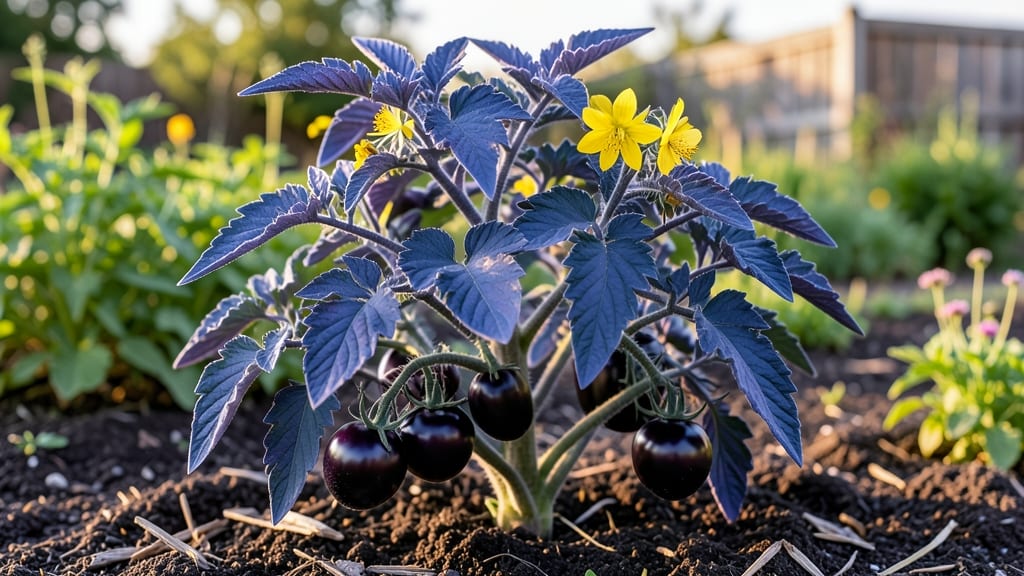
Growing Indigo Blue Chocolate tomatoes feels like harvesting a piece of art—deep purple skin that ripens to golden flesh with a rich, smoky-sweet flavor. 🌱 This heirloom variety isn’t just stunning; it’s one of the fastest producers, ready in just 70 days, and thrives even in cooler climates where other tomatoes struggle.
The secret to their bold color and flavor starts with well-draining, slightly acidic soil (pH 6.0–6.8) mixed with compost. Plant them in full sun (6–8 hours daily) and space them 24–36 inches apart—they grow bushy but need room to breathe.
Unlike some heirlooms, these tomatoes handle humidity well, making them perfect for gardeners in zones 3–10. You’ll know they’re ready when the skin turns a deep purple-gold hue and yields slightly to gentle pressure. The flavor? A smoky, almost cocoa-like depth that pairs perfectly with fresh mozzarella or in salads.
Prune suckers early to focus energy on fruit, and watch as your plants burst with 12–16-ounce beauties all season long. For beginners, start with one or two plants—they’re prolific but need consistent watering (1–2 inches per week) and a balanced fertilizer (like 5-5-5) every 4–6 weeks.
Experienced growers can experiment with black plastic mulch to enhance color and deter pests like hornworms, which adore these tomatoes as much as you will.
📚 In This Guide
- What you need
- Instructions
- Tips and common mistakes
- Wrapping up and next steps
What you need
- ● Indigo Blue Chocolate Tomato Seeds – 3-5 seeds (or 1-2 seedlings if starting with transplants). Look for heirloom or organic seeds for the best flavor and color.
- ● Growing Containers or Garden Bed – 5-gallon pots (if container gardening) or a well-draining garden plot with at least 12-18 inches of soil depth.
- ● High-Quality Potting Mix – 10-15 lbs of organic, well-draining soil mix (amend with compost for nutrient-rich soil).
- ● Tomato Cages or Stakes – 5-6 ft tall cages or sturdy bamboo stakes (2-3 per plant) to support the vines.
- ● Balanced Fertilizer – 10-10-10 or organic fertilizer (e.g., fish emulsion or compost tea) to promote healthy growth.
- ● Mulch – Straw, grass clippings, or shredded leaves (2-3 inches thick) to retain moisture and suppress weeds.
- ● Watering Can or Hose with Adjustable Nozzle – For consistent, deep watering (aim for 1-1.5 inches per week).
- ● Seed Starting Kit – If sowing indoors 6-8 weeks before the last frost (includes trays, grow lights, and heating mat).
- ● Pruning Shears – For trimming suckers and shaping the plant (sterilize blades with rubbing alcohol).
- ● pH Test Kit – To ensure soil pH is between 6.0-6.8 (tomatoes thrive in slightly acidic soil).
- ● Drip Irrigation System – For automated watering and efficiency (especially in hot climates).
- ● Row Covers or Shade Cloth – To protect young plants from pests or extreme heat (30-50% shade cloth works well).
- ● Companion Plants – Basil, marigolds, or onions (plant nearby to deter pests and enhance flavor!).
Step-by-step instructions for growing indigo Blue Chocolate tomatoes
This heirloom variety delivers stunning purple-gold fruit with rich, smoky-sweet flavor—here’s how to coax its full potential from seed to harvest.
🌱 Step 1: Start Seeds Indoors 6-8 Weeks Before Last Frost
Fill seed trays with sterile seed-starting mix and plant seeds ¼ inch deep, spacing them 1 inch apart. Press gently to ensure good soil contact—this variety’s thick skin needs strong germination energy. Cover with a humidity dome or plastic wrap and place in a warm spot (75-85°F). Expect sprouts in 10-14 days—watch for the first true leaves (not the initial cotyledons) to appear before removing the cover.
Here’s the thing—Indigo Blue Chocolate tomatoes are sensitive to damping-off. Once you see 50% germination, immediately remove the dome and switch to bottom-watering. Let the soil surface dry slightly between waterings to prevent fungal issues. You’ll know you’re doing it right when seedlings develop deep purple stems and broad, dark green leaves—a sign they’re thriving.
☀️ Step 2: Harden Off and Transplant After True Leaves Form
When seedlings have 4-5 true leaves (about 4-6 weeks after sowing), begin hardening them off. Start with 1 hour outdoors in partial shade, then gradually increase exposure by 1 hour daily over 7-10 days. This variety’s thick skin makes it more drought-tolerant than most, but don’t rush—transplanting too soon leads to blossom-end rot later.
Choose a full-sun location with well-draining soil (amend with 2-3 inches of compost if your soil is heavy). Plant 18-24 inches apart in rows 3 feet apart—this gives their bushy growth habit room to sprawl without crowding. Bury stems deeper than the transplant pot to encourage strong root development. Water deeply at planting to eliminate air pockets.
💧 Step 3: Maintain Consistent Moisture and Fertility
Indigo Blue Chocolate tomatoes need 1-1.5 inches of water weekly, delivered at the base of plants (never overhead). Let the top 2 inches of soil dry between waterings to prevent cracking—this variety’s thick skin is prone to splitting if moisture fluctuates wildly. Mulch with 2-3 inches of straw or shredded leaves to retain soil moisture and suppress weeds.
Feed every 2-3 weeks with a balanced organic fertilizer (10-10-10 or similar). You’ll notice purple tinges on new leaves when they’re hungry—this is their way of signaling nutrient needs. Prune suckers (the shoots in the leaf axils) to encourage upward fruit production, but leave 1-2 leaves below each fruit cluster to support ripening.
✂️ Step 4: Support Plants and Harvest at Peak Ripeness
Install sturdy cages or stakes (4-5 feet tall) at planting—this variety’s heavy fruit can snap weak supports. As clusters form, tie stems to the support with soft plant ties, adjusting as they grow. You’ll see golden-yellow fruit with deep purple shoulders develop 70-80 days after transplanting. Harvest when the entire fruit turns golden—waiting too long causes cracking.
Real talk: These tomatoes don’t travel well, so pick them firm but ripe for immediate use. Store in the fridge for up to 2 weeks if needed, but they’re best enjoyed within 3 days of harvest. The flavor deepens when used in sauces or roasted—smoky, rich, and complex, unlike standard beefsteak varieties. Expect 4-6 large fruits per plant if you follow these steps precisely.
Tips & tricks for growing stunning indigo Blue Chocolate tomatoes
These game-changing insights will help you coax out the full potential of this heirloom variety's dramatic color and rich flavor.
Germination Environment: The 75-85°F warm spot recommendation isn't just about speed—it's about preventing seedling stress. Use a seedling heat mat if your home stays cooler than 70°F. I've found that maintaining consistent warmth during the 10-14 day germination window prevents the "witches' broom" effect where seedlings grow multiple stems from one seed. This variety's thick skin actually benefits from slightly cooler germination (75°F rather than 85°F) to develop stronger cell walls early.
Transplanting Timing: The 4-6 week window for transplant readiness might seem broad, but there's a critical visual cue: Look for deep purple stems and broad, dark green leaves—these indicate the plant's natural defenses are developing. I've learned the hard way that transplanting too early (before these signs appear) leads to blossom-end rot later, even with this drought-tolerant variety. The 7-10 day hardening process is non-negotiable—try to match your outdoor conditions to your home environment during this period.
Watering Strategy: The 1-1.5 inches weekly guideline assumes average summer conditions. In my experience with this variety, the key is consistency rather than quantity. Let the top 2 inches dry between waterings to prevent cracking—this thick-skinned tomato actually benefits from slightly drier conditions than standard varieties. I've found that watering at the base with a soaker hose in the early morning prevents fungal issues and gives roots time to absorb moisture before the heat of day.
Fertilizer Timing: When you notice purple tinges on new leaves, that's your plant's way of signaling specific nutrient needs—typically phosphorus or potassium. The 2-3 week feeding schedule works well, but I recommend alternating between a balanced organic fertilizer and a calcium-rich supplement (like crushed eggshells) every other feeding. This variety's thick skin actually benefits from slightly higher calcium levels to prevent cracking, even though it's more drought-tolerant than most.
Pro Tips for Indigo Blue Chocolate Tomato
- These game-changing insights will help you coax out the full potential of this heirloom variety's dramatic color and rich flavor.
- Germination Environment: The 75-85°F warm spot recommendation isn't just about speed—it's about preventing seedling stress.
- I've learned the hard way that transplanting too early (before these signs appear) leads to blossom-end rot later, even with this drought-tolerant variety.
Frequently asked questions
How do I know when Indigo Blue Chocolate Tomatoes are fully ripe?
These beauties ripen from deep purple to a stunning indigo-blue with golden highlights. Look for a rich, vibrant hue and a slightly soft, yielding feel (like a ripe plum). The skin may also develop a glossy sheen. Taste is your best guide—sweetness peaks when the color is fully developed!
Can I grow Indigo Blue Tomatoes in containers, and what size pot do I need?
These tomatoes thrive in containers as long as the pot is at least 5 gallons (bigger is better for stability). Use a well-draining potting mix and ensure the pot has drainage holes. Place them in a sunny spot (6+ hours of light) and stake or cage them for support. Pro tip: Rotate pots weekly for even growth!
What do Indigo Blue Tomatoes taste like, and how can I use them?
Expect a deep, smoky-sweet flavor with hints of cocoa and berry—hence the "chocolate" name! They’re perfect for fresh eating, salads, or sauces. Try roasting them for a caramelized depth or blending into salsas. Bonus: Their striking color makes dishes visually stunning!
Why are my Indigo Blue Tomatoes cracking, and how can I prevent it?
Cracking often happens due to inconsistent watering or rapid growth. Keep soil evenly moist (not soggy) and mulch to retain moisture. Avoid over-fertilizing with high nitrogen—balance with potassium and phosphorus. Quick fix: Harvest early if cracks appear and use them in cooked dishes!
Are there any similar tomato varieties I can try if I can’t find Indigo Blue seeds?
If you’re craving heirloom purple-gold tomatoes, try these alternatives:
- Purple Russian – Deep purple, smoky-sweet
- Black Krim – Rich, tangy flavor
- Cherokee Purple – Classic heirloom with dark hues
- Sun Gold – Bright orange, sweet (if you want a color contrast!)
Wrapping up and next steps
Growing indigo blue chocolate tomatoes is a rewarding journey that brings vibrant color and rich flavor to your garden in just 70 days! 🌱 These stunning heirlooms are perfect for both beginners and seasoned gardeners, offering a unique twist on classic tomatoes.
Whether you’re drawn to their deep purple hues or their sweet, smoky taste, they’re a must-try for any harvest.
Ready to dive in? Start by gathering your seeds and supplies, then follow the steps to cultivate these beauties with confidence. Happy planting—and enjoy the delicious results! 🍅✨