
Vegetables
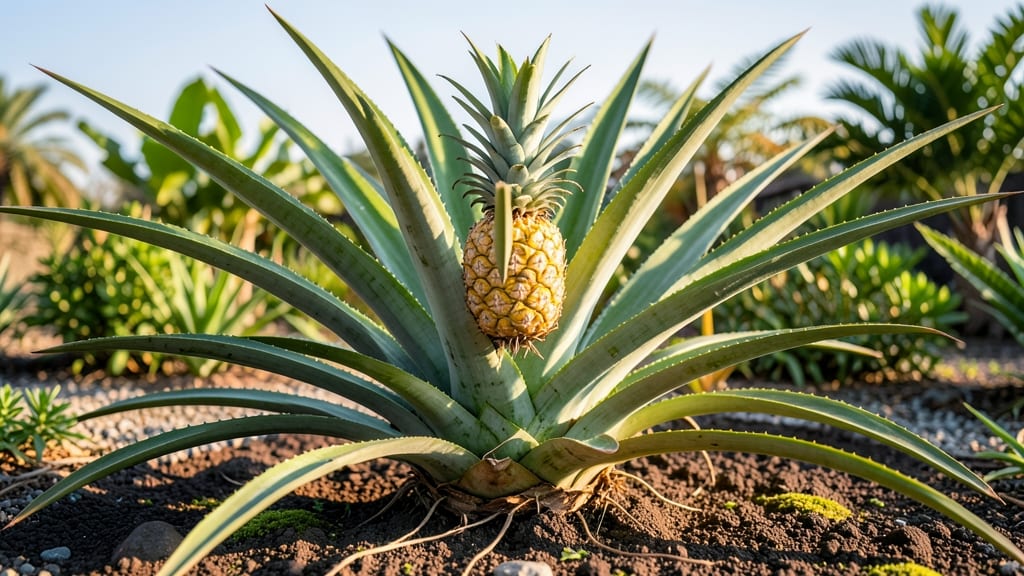
How long does it take a pineapple to mature? The answer might surprise you—18–30 months from planting to harvest, longer than most gardeners expect. 🌱 The key to speeding up this process lies in starting with suckers (the baby plants that grow from the mother plant’s crown) instead of seeds, since seed-grown pineapples take 3–5 years to mature. I’ve grown my share of pineapples, and I’ve learned that climate plays a huge role: tropical heat and humidity accelerate growth, while cooler zones slow it down.
Once planted, your pineapple will send up a flower stalk within 3–6 months, followed by a small fruit that slowly swells over the next 12–18 months.
The real test of maturity comes when the fruit turns golden-yellow, smells sweetly fragrant, and feels heavy for its size—those are your cues to harvest. Patience is key, but the payoff of a homegrown pineapple is worth the wait.
If you’re growing in a cooler climate, consider extending the season with a greenhouse or containers that can move indoors during winter. The right care—consistent watering, well-draining soil, and protection from frost—can shave off 2–4 months from the timeline.
Think of it as a long-term investment: one plant can produce 1–2 harvests over its lifetime.
For home gardeners, the biggest mistake is rushing the process. A pineapple won’t ripen faster just because you want it to—it needs time to develop that signature sweetness.
But with the right variety (like the Sugar Loaf or Queen types) and attentive care, you can enjoy a harvest in as little as 18 months. That first slice of homegrown pineapple makes every month of waiting worthwhile.
📚 In This Guide
- What you need
- Instructions
- Tips and common mistakes
- Wrapping up and next steps
What you need
- ● Pineapple plant: A healthy, mature pineapple (preferably organic) with a leafy crown. Look for one with a thick, green crown and minimal signs of rot.
- ● Potting soil: Well-draining, peat-based or cactus/succulent mix (10-15 lbs). Avoid heavy garden soil—pineapples hate soggy roots!
- ● Container: A 6-8 inch diameter pot (or larger if growing multiple plants). Ensure it has drainage holes—critical for preventing root rot. 🚫💦
- ○ Rooting hormone (optional but recommended): A powder or gel to boost root growth (e.g., Clonex or similar).
- ● Watering can: With a narrow spout for precise watering (avoid overhead spraying).
- ● Balanced fertilizer: A 10-10-10 or 20-20-20 NPK fertilizer (diluted to half-strength). Use sparingly—pineapples are sensitive to excess nutrients.
- ● Pruning shears: Sharp, clean pair for trimming leaves or dead growth.
- ● Sunlight: A south-facing window (if indoors) or full sun (6+ hours/day) outdoors. Supplemental grow lights work too!
- ● Humidity tray or humidifier: Pineapples thrive in 50-70% humidity. A tray with pebbles and water can help mimic tropical conditions.
- ● Soil moisture meter: To check root zone hydration without overwatering.
- ● Epsom salt: For magnesium boost (mix 1 tbsp per gallon of water monthly).
- ● Compost or worm castings: For natural, slow-release nutrients.
- ● Pineapple-specific fertilizer: Formulas with higher potassium (e.g., 13-4-44) support fruiting.
- ● Support stake: If growing outdoors in windy areas, a bamboo stake can help stabilize the plant as it matures.
Step-by-step timeline for pineapple maturation: from flower to fruit
Understanding the stages helps you track progress and ensure a healthy harvest.
🌱 Step 1: Flowering to Fruit Set (4-6 Weeks)
The journey begins when the pineapple plant produces its signature flower—a tight cluster of purple or pink bracts. After pollination (either by birds, bats, or manual methods), the flower transforms into a small, green fruit. This initial phase is critical because the plant must establish the fruit's foundation. You'll notice the flower spike droop and shrivel as the fruit begins to form, typically within 4-6 weeks after flowering.
Here's the thing—don’t expect immediate growth. The fruit starts as a tiny, hard bump at the base of the flower. I’ve found that patience is key here; rushing to check for progress can actually stress the plant. Keep the soil consistently moist but not soggy, and ensure the plant receives full sun (6-8 hours daily). You’ll see the first signs of fruit development when the base swells slightly and the flower spike begins to yellow and dry out.
☀️ Step 2: Early Fruit Development (6-8 Months)
Once the fruit is set, it enters a rapid growth phase where the crown (the leafy top) and the fruit base expand noticeably. During this 6-8 month stage, the fruit will grow from a small, hard bump to a recognizable pineapple shape. The skin will shift from green to a mix of green and yellow, and the crown will thicken. This is when you’ll start to see the classic pineapple silhouette forming.
Regular watering is essential, but avoid overdoing it—pineapples are drought-tolerant once established, and too much water can cause rot. I like to water deeply once a week, ensuring the soil drains well. You’ll know the fruit is progressing well when the crown feels firm and the base expands evenly. If you notice uneven growth or soft spots, it might be a sign of overwatering or poor drainage.
🌿 Step 3: Maturation and Ripening (8-12 Months Total)
The final stage is where the magic happens—the fruit ripens and develops its signature sweetness. This phase takes another 4-6 months, bringing the total maturation time to 8-12 months from flowering. The skin will turn predominantly yellow with green patches, and the crown will become dense and upright. The fruit will also feel heavier as it fills with juice.
To test for ripeness, gently squeeze the fruit—it should yield slightly, like a ripe avocado. The leaves at the base will also turn brown and dry out, signaling it’s nearly ready for harvest. I’ve learned that harvesting too early results in a tart, underripe fruit, while waiting too long can make it overly soft. The sweetest pineapples are harvested when they’re fully yellow with just a hint of green remaining.
⏰ Step 4: Harvesting and Post-Harvest Care
Once the pineapple reaches maturity, it’s time to harvest. Use a sharp, sterile knife to cut the fruit from the plant, leaving about 1 inch of stem attached. This helps preserve the fruit’s freshness. After harvesting, place the pineapple in a cool, dry place for 2-3 days to ripen further. You’ll notice the sweetness intensify as it ripens off the plant.
Real talk: Pineapples don’t continue to ripen once picked, so timing is everything. If you’re unsure whether it’s ready, cut it open—if the flesh is golden and juicy, it’s perfect. If it’s still hard or underdeveloped, give it a few more days. Once harvested, store the pineapple in the refrigerator to extend its shelf life, but enjoy it within 2-3 weeks for the best flavor.
Tips & tricks for perfect pineapple maturation
These practical insights will help you navigate the pineapple's growth journey with confidence and precision.
Patience in the Early Stages: During the initial 4-6 weeks of fruit set, resist the urge to check on progress daily. Frequent handling can stress the plant and slow development. Instead, focus on maintaining consistent moisture and full sun exposure. The flower spike's yellowing and drying is your first clear indicator that the fruit is establishing itself properly.
Watering Wisdom: Pineapples are surprisingly drought-tolerant once established, but proper watering during the 6-8 month development phase is crucial. Water deeply once a week, ensuring the soil drains well to prevent rot. Uneven growth or soft spots often signal overwatering—let the top inch of soil dry between waterings. This balance creates the firm, even base you want before maturation.
Ripeness Testing: The 8-12 month maturation phase requires careful observation. Gently squeeze the fruit—it should yield slightly like a ripe avocado. More importantly, examine the leaves at the base: they should be brown and dry. This natural drying process is your best indicator that the fruit's sweetness has fully developed. If you're unsure, cut open a small section—the golden color and juiciness of the flesh are definitive proof of ripeness.
Harvesting Technique: When harvesting, leave 1 inch of stem attached to preserve freshness. This small detail makes a big difference in post-harvest sweetness development. After cutting, place the pineapple in a cool, dry spot for 2-3 days before refrigeration. This brief ripening period allows the fruit to concentrate its sugars naturally, resulting in superior flavor compared to immediate refrigeration.
Pro Tips for How Long Does It Take A Pineapple To Mature
- These practical insights will help you navigate the pineapple's growth journey with confidence and precision.
- Patience in the Early Stages: During the initial 4-6 weeks of fruit set, resist the urge to check on progress daily.
- Watering Wisdom: Pineapples are surprisingly drought-tolerant once established, but proper watering during the 6-8 month development phase is crucial.
Frequently asked questions
Got questions about pineapple growth? You’re not alone! Here are some of the most common queries—and their answers—to help you navigate the journey from flower to fruit.
How long does it take for a pineapple plant to produce fruit after flowering?
Once a pineapple plant flowers, it typically takes 4-6 months for the fruit to mature and become harvest-ready. Patience is key—rushing the process can compromise taste and texture. Keep an eye on the fruit’s color shift from green to golden-yellow as a sign it’s nearly ripe!
Can I speed up the ripening process?
While you can’t truly rush nature, you can encourage ripening by placing the pineapple in a paper bag with a ripe banana (ethylene gas speeds things up). Store it at room temperature (not the fridge) for 2-3 days. Avoid cutting it prematurely—immature pineapples are tart and fibrous!
What’s the best temperature for growing pineapples?
Pineapples thrive in warm climates (70–85°F / 21–29°C). If you’re growing one indoors, place it near a sunny window or under grow lights. Cold drafts or temps below 50°F (10°C) can stunt growth or damage the plant. A heat mat can help in cooler seasons!
How do I know when a pineapple is fully ripe?
A ripe pineapple has a golden-yellow base (not green), a sweet scent at the leaf base, and leaves that pull out easily. If it’s still hard, give it a few more days. Pro tip: Gently squeeze the sides—a ripe pineapple yields slightly but doesn’t feel mushy.
Can I grow a pineapple from a store-bought fruit?
Yes! Cut off the top 1-inch of the crown, let it dry for 1-2 days, then plant it in well-draining soil. It may take 18–36 months to flower and fruit—longer than starting from a pup. Be patient, and don’t overwater (root rot is a risk!).
Why isn’t my pineapple plant flowering?
Pineapple plants need stress signals to flower, like drought stress (reduce water for 2–3 weeks) or exposure to ethylene gas (place a ripe apple nearby). If it’s young (<1 year old), it may not be mature enough. Also, ensure it gets full sun (6+ hours/day) and balanced fertilizer.
Wrapping up and next steps
Growing a pineapple from start to finish is a rewarding journey—it takes patience, but the sweet payoff is worth it! 🌱 Whether you’re growing one from scratch or nurturing a store-bought top, remember that consistency in care (water, sunlight, and soil) is key to a juicy harvest in 18–24 months.
Now that you know the timeline, why not take the next step? Grab a pineapple, start your own plant, and enjoy the process of watching it thrive! 🌟