
Vegetables
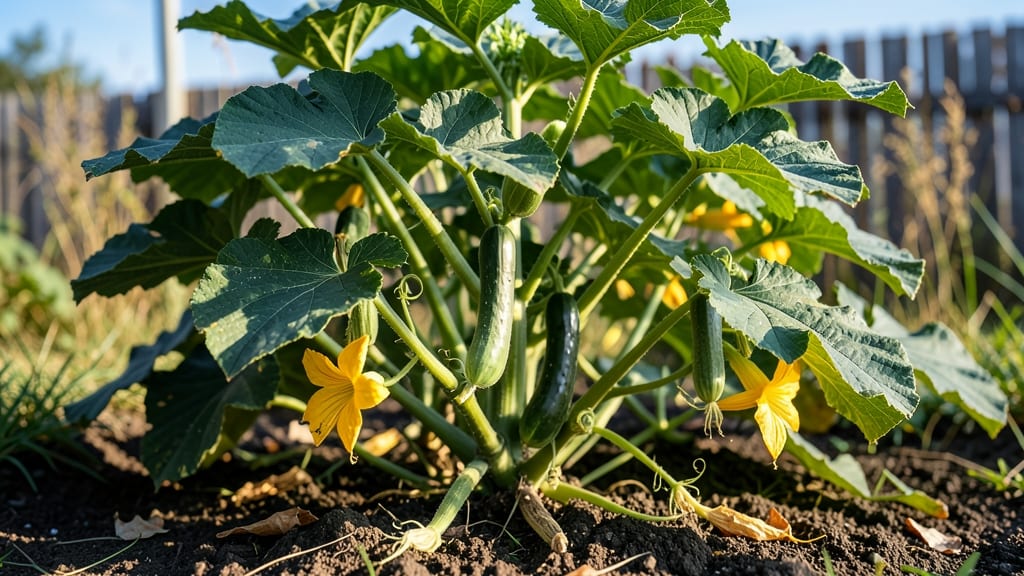
Growing cucumbers at home means crisp, vine-ripened slices straight from your garden—no store-bought blandness here. ✨ I’ve grown cold-resistant varieties that keep producing all season, even when summer heat waves hit. The secret? Choosing the right seeds and giving them the perfect growing conditions.
You’ll need well-draining soil, plenty of sunlight, and a sturdy trellis to keep vines off the ground. Water deeply but consistently—cucumbers hate soggy roots—and mulch to retain moisture. Prune regularly to encourage bushier growth and better air circulation, which keeps pests at bay.
By mid-summer, you’ll be harvesting 2-3 cucumbers per plant weekly, and with cold-resistant varieties, you can even extend the season into fall. The flavor? Unmatched—sweet, crisp, and bursting with summer vibrancy.
This method works for beginners and veterans alike, whether you’re growing in a raised bed, containers, or a traditional in-ground plot. Let’s get those seeds in the ground!
📚 In This Guide
- What you need
- Instructions
- Tips and common mistakes
- Wrapping up and next steps
What you need
- ● Seeds or Transplants: Cold-resistant cucumber seeds (e.g., ‘Corinto F1’, ‘Armenian’, or ‘Lemon’ varieties) – 3–5 seeds per plant (or 1–2 transplants if starting with seedlings).
- ● Growing Space: Full-sun location (at least 6–8 hours of sunlight daily).
- ● Soil: Well-draining, fertile loam with a pH of 6.0–6.8. Mix in 2–3 inches of compost before planting.
- ○ Optional: Raised bed or large containers (minimum 12–18 inches deep and 12 inches wide for 1 plant).
- ● Support Structures: Trellis, cage, or stakes (4–6 feet tall) to encourage vertical growth and improve air circulation.
- ● Watering Supplies: Drip irrigation or soaker hose (to keep soil consistently moist but not waterlogged).
- ● Watering can (for smaller pots or seedling stages).
- ● Fertilizer: Balanced organic fertilizer (e.g., 10-10-10 or compost tea) – apply at planting and again after 4–6 weeks.
- ○ Optional: Mulch (straw or shredded leaves) to retain moisture and suppress weeds.
- ● Row covers or frost cloth (for early spring/fall planting in colder climates).
- ● Pruning shears (to trim excess vines and encourage fruit production).
- ● pH test kit (to monitor soil acidity/alkalinity).
- ● Organic pest control (neem oil, insecticidal soap, or companion plants like marigolds to deter pests).
- ● Harvest basket or clipper (to pick cucumbers cleanly without damaging the plant).
Step-by-step guide to growing cold-resistant cucumbers
Here's how to cultivate hardy cucumber varieties that thrive in cooler climates and regrow season after season.
🌱 Step 1: Select and Prepare Cold-Tolerant Varieties
Choose cucumber varieties bred for cold resistance like 'Corinto', 'Armenian', or 'Siberian'. These varieties handle temperatures down to 40°F and regrow from the roots if cut back properly. Start seeds indoors 4-6 weeks before your last frost date in biodegradable pots to avoid transplant shock.
Fill the pots with sterile seed-starting mix and plant seeds 1 inch deep. Keep the soil consistently moist but not soggy—cucumber seeds rot easily when overwatered. Place the pots in a warm spot (70-80°F) until germination, which typically occurs in 7-10 days. Once seedlings emerge, move them to a sunny window or under grow lights.
☀️ Step 2: Harden Off and Transplant After Frost Risk Passes
When nighttime temperatures stay above 50°F and all frost risk has passed, it's time to transplant. Harden off seedlings by placing them outside in a sheltered spot for 1-2 hours the first day, gradually increasing exposure over 7-10 days. This prepares them for outdoor conditions without shock.
Choose a location with full sun (at least 6-8 hours daily) and well-draining soil. Cucumbers thrive in loamy soil with a pH of 6.0-6.8. If your soil is heavy clay, amend it with compost to improve drainage. Plant seedlings 12-18 inches apart in rows 3-4 feet apart to allow for proper air circulation, which prevents fungal diseases.
💧 Step 3: Water Deeply and Mulch for Cold Protection
Cucumbers need 1-2 inches of water per week, delivered directly to the soil—not the leaves—to prevent mildew. Water deeply in the morning to allow foliage to dry before evening. Use a drip irrigation system or soaker hose to keep moisture consistent without wetting the plants.
Apply a 2-3 inch layer of straw or shredded leaves as mulch to insulate roots and retain moisture. This mulch layer also protects tender plants from late spring frosts. Fertilize lightly with a balanced organic fertilizer (10-10-10) at planting and again when vines start to run, but avoid over-fertilizing—too much nitrogen leads to leafy growth at the expense of fruit.
✂️ Step 4: Prune and Train for Regrowth and Cold Resistance
Once vines reach 6-8 feet, prune back the main stem to encourage bushier growth and stronger regrowth. Pinch off the tips of lateral shoots to redirect energy into fruit production. If a vine dies back due to cold, it will often regrow from the base—this is a hallmark of cold-resistant varieties.
Use trellises or stakes to train vines vertically, improving air circulation and reducing disease risk. Harvest cucumbers when they reach 6-8 inches in length for the best flavor. Regular harvesting encourages the plant to produce more fruit. In cooler climates, you may need to extend the season with row covers or a cold frame to protect plants from unexpected chills.
🌿 Step 5: Overwinter and Regrow for Next Season
When the first frost threatens, cut back the vines to 4-6 inches above the ground. Mulch heavily with straw or leaves and cover the base with a thick layer of compost. Many cold-resistant cucumbers will regrow from the roots in spring, producing an earlier harvest.
If the plant doesn’t regrow, save seeds from the best cucumbers for next year. These varieties are often open-pollinated, meaning you can replant them season after season. In early spring, remove the mulch and check for regrowth. Water lightly and fertilize once new shoots appear—your cucumbers will be ready to produce again in 4-6 weeks.
Tips & tricks for perfect cold-resistant cucumber growth
Here's what nobody tells you about getting those hardy cucumbers to thrive—and regrow—year after year.
Seed Starting Strategy: The 4-6 week indoor head start is non-negotiable for cold climates, but don't rush germination. Those 7-10 days at 70-80°F are when seeds establish their root systems—skimp here, and you'll get weak seedlings that struggle outdoors. I've learned the hard way that keeping soil consistently moist (not soggy) during this phase makes all the difference when transplanting later.
Harden Off Like a Pro: That gradual 7-10 day hardening process isn't just about acclimating plants—it's about training them to handle wind and temperature swings. Start with just 1-2 hours of morning sun the first day, then increase exposure. Watch for wilting as your signal to slow down. I've seen plants shocked beyond recovery when moved too quickly to full sun.
Soil Science Matters: The loamy soil with 6.0-6.8 pH isn't just a suggestion—it's the foundation for cold resistance. If your soil tests higher, amend with sulfur; if lower, add lime. And that compost? Don't skimp on the 2-3 inch layer—it's what helps roots survive those 40°F nights. I've had plants in amended soil regrow from roots after winter dieback when others in plain dirt didn't.
Pruning for Regrowth: When you prune those 6-8 foot vines back to encourage bushiness, you're not just shaping the plant—you're creating next year's harvest. The key is timing: wait until vines actually reach that height before pruning. I've found that plants pruned too early put all their energy into leaves, not roots, and struggle to regrow after frost.
Pro Tips for Home Grown Cucumber
- Here's what nobody tells you about getting those hardy cucumbers to thrive—and regrow—year after year.
- Seed Starting Strategy: The 4-6 week indoor head start is non-negotiable for cold climates, but don't rush germination.
- Harden Off Like a Pro: That gradual 7-10 day hardening process isn't just about acclimating plants—it's about training them to handle wind and temperature swings.
Frequently asked questions
Got questions about growing your own cold-resistant cucumbers that regrow naturally? You’re not alone! Here are some of the most common queries—and their straightforward answers—to help you thrive in your garden.
How cold can home-grown cucumbers tolerate before they die?
Most cold-resistant cucumber varieties, like ‘Northern Pickling’ or ‘Corinto’, can handle light frosts down to 28–32°F (-2 to 0°C) for short periods. However, prolonged exposure below 50°F (10°C) will stunt growth. Plant in late spring or use row covers for extra protection in chilly climates!
Can I regrow cucumbers from store-bought seeds or scraps?
Yes! Save seeds from organic, heirloom cucumbers by fermenting them in water for 3–5 days, then drying. For regrowing from scraps, place the bottom 1–2 inches of the stem in water—roots may sprout in 1–2 weeks. Just know store-bought hybrids (like slicing cucumbers) may not yield true-to-type fruit.
How long does it take for regrown cucumbers to produce fruit?
Regrown cucumbers from seeds or cuttings typically take 50–70 days to bear fruit, similar to fresh plants. However, scraps may take longer (up to 3 months) to mature. Boost speed with full sun (6+ hours/day), warm soil (70°F+), and consistent watering—patience pays off with crisp, homegrown harvests!
What’s the best way to protect home-grown cucumbers from pests?
Use a 3-step defense:
- Prevention: Plant near basil, marigolds, or nasturtiums to repel pests naturally.
- Barriers: Cover young plants with floating row covers or mesh netting to block cucumber beetles.
- Organic sprays: Mix 1 tbsp neem oil + 1 tsp dish soap per gallon of water and spray leaves weekly.
Can I grow cucumbers in containers, or do they need a garden bed?
Dwarf or bush varieties (like ‘Spacemaster’) thrive in 5-gallon containers with 12+ inches of depth. Use a lightweight potting mix and trellis vines to save space. Place containers in full sun and water daily—container cucumbers dry out faster than in-ground plants!
Pro Tip:
For year-after-year regrowth, let a few cucumbers mature fully on the vine before harvesting. The plant may produce smaller fruit but will perennialize in mild climates, returning with new growth in spring!
Wrapping up and next steps
Growing your own home-grown cucumber is a rewarding journey that combines sustainability, flavor, and resilience! 🌱 With cold-resistant varieties like ‘Tyria’ or ‘Burpee Bush Champion’, you can enjoy fresh, regrowing harvests for years—even in cooler climates.
Whether you’re a beginner or a seasoned gardener, these tips and varieties make it easier than ever to cultivate a thriving cucumber patch.
Ready to take the next step? Start small—plant a few seeds or seedlings this season and watch your garden flourish! Share your progress with fellow gardeners, experiment with new varieties, and savor the taste of truly home-grown goodness. Happy growing! 🌿